Pastoralists Push for Rights at UN Desertification Summit — SkimNews
Get the Energy newsletter
Daily energy & climate — solar, EVs, oil, the policy fights and tech bets shaping the transition. Free.
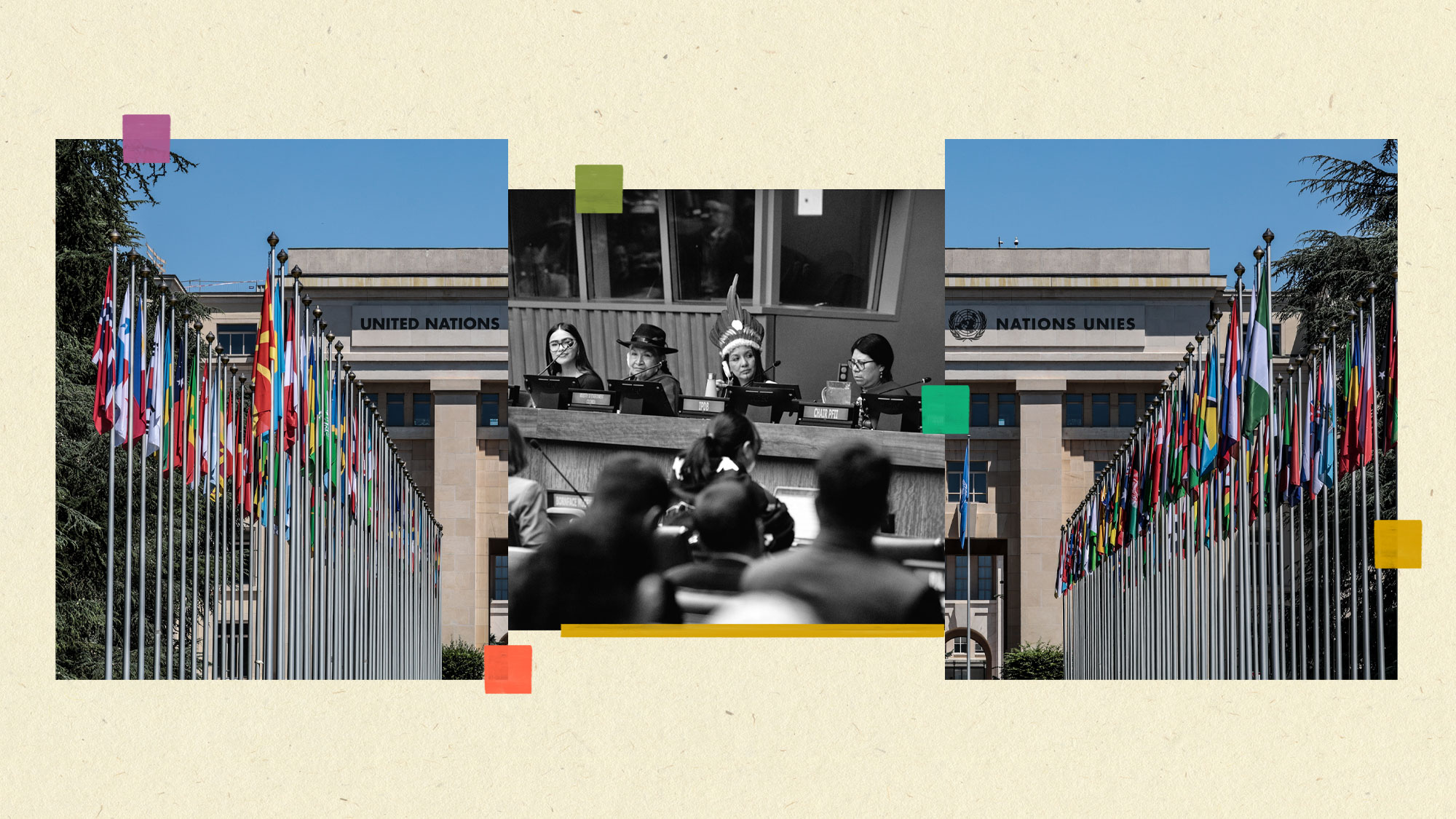
- Andrew Msami, a Maasai pastoralist from Tanzania and program lead for PINGOs Forum (a network of 50+ pastoralist organizations), joined hundreds of others in Mongolia for the 17th UNCCD meeting to call for stronger protections of Indigenous pastoral traditions.
- Hindou Oumarou Ibrahim, Mbororo from Chad and the first chair of UNCCD's new Indigenous peoples caucus, called the gathering "unique, historic, and particular" because it is the first convention with formal Indigenous participation — a distinction absent from climate and biodiversity COPs.
- Ibrahim led a protest during the conference's first week in Mongolia, demanding full caucus participation and the establishment of its official functions, citing resistance to the Indigenous group's inclusion.
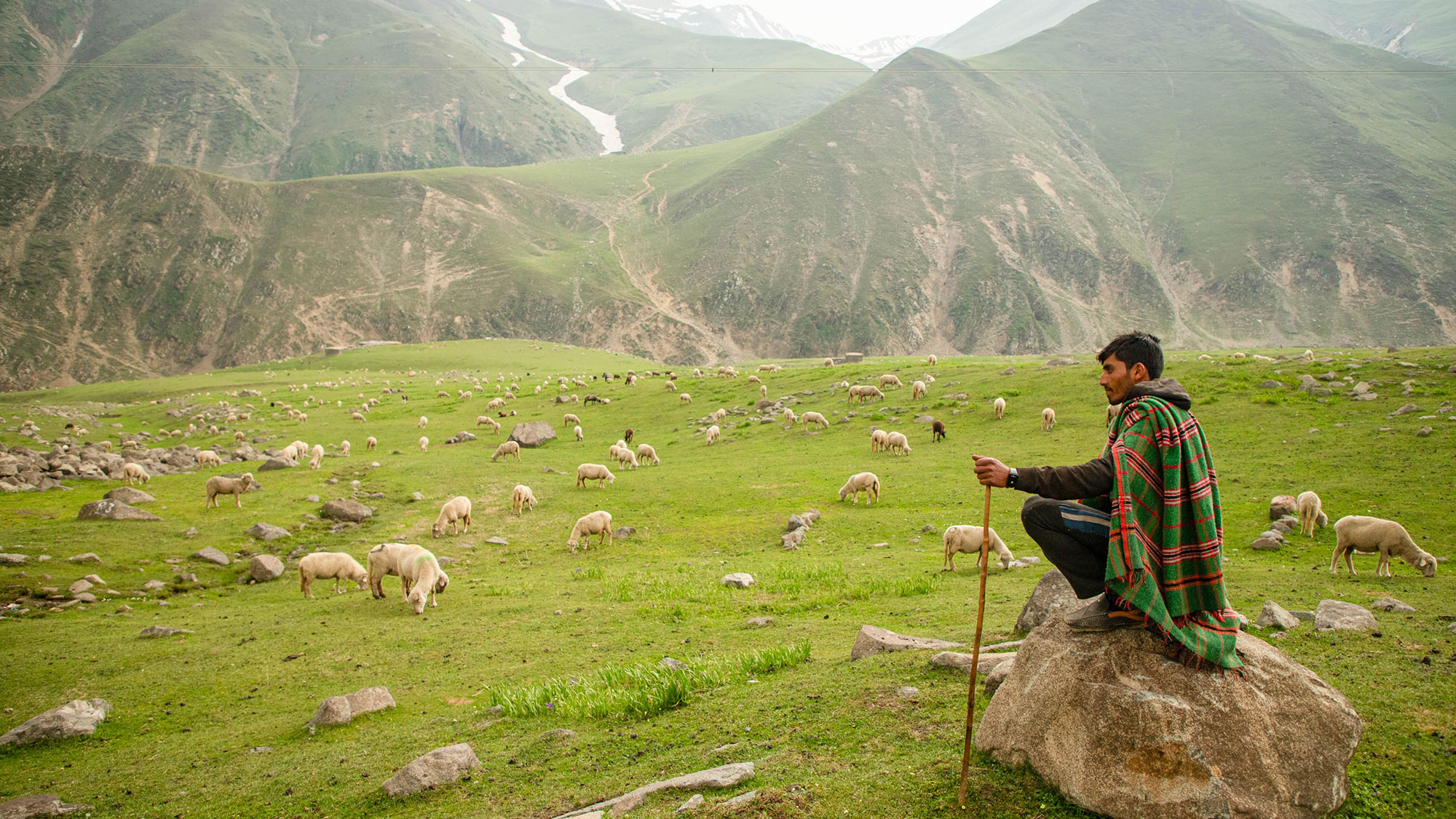
- Desertification is occurring at 30 to 35 times the historical average, threatening the roughly 500 million pastoralists worldwide who depend on rangelands covering about half the planet's landmass.
- Developed nations like Spain, France, and Sweden are now experiencing record droughts, per Ibrahim, who said desertification is shifting from a developing-world problem to one demanding new political will and finance from wealthy countries.
- In Chad, where Ibrahim is from, the desert is advancing approximately 2 kilometers (1.2 miles) per year — a rate she said exceeds what traditional pastoralist knowledge alone can counter.
- Solange Bandiaky-Badji of the Rights and Resources Initiative, a coalition of 200+ organizations, warned that countries restricting pastoralist herd sizes and movement ignore scientific evidence that pastoralism boosts biodiversity and climate resilience.
Why it matters: The UNCCD's first formal Indigenous caucus gives the world's roughly 500 million pastoralists an institutional seat at the global table, but Ibrahim's first-week protest shows recognition without enforceable land and mobility rights leaves the systemic crisis unsolved — and with desertification running 30 to 35 times the historical rate, the gap between symbolic inclusion and funded protection now has measurable stakes.
Ask SkimNews