Marco Hatch restores Indigenous clam gardens — SkimNews

Get the Energy newsletter
Daily energy & climate — solar, EVs, oil, the policy fights and tech bets shaping the transition. Free.
- Marco Hatch – a marine ecologist at Western Washington University and enrolled Samish Nation member, is surveying mollusks in clam gardens and collaborating with seven Indigenous communities to rebuild rock‑walled, terraced beaches.
- Kyle Whyte – a professor of environmental justice at the University of Michigan and Citizen Potawatomi Nation member, says the growing “braiding” of Indigenous and Western knowledge marks a “massive shift” from past dismissal of Native thought as mythic.
- Kisha Supernant – director of the University of Alberta’s Institute of Prairie and Indigenous Archaeology, notes that Indigenous knowledge has its own rigor and cites clam gardens, built at least 4,000 years ago, as evidence of sophisticated mariculture that boosts clam productivity and reduces shoreline erosion.
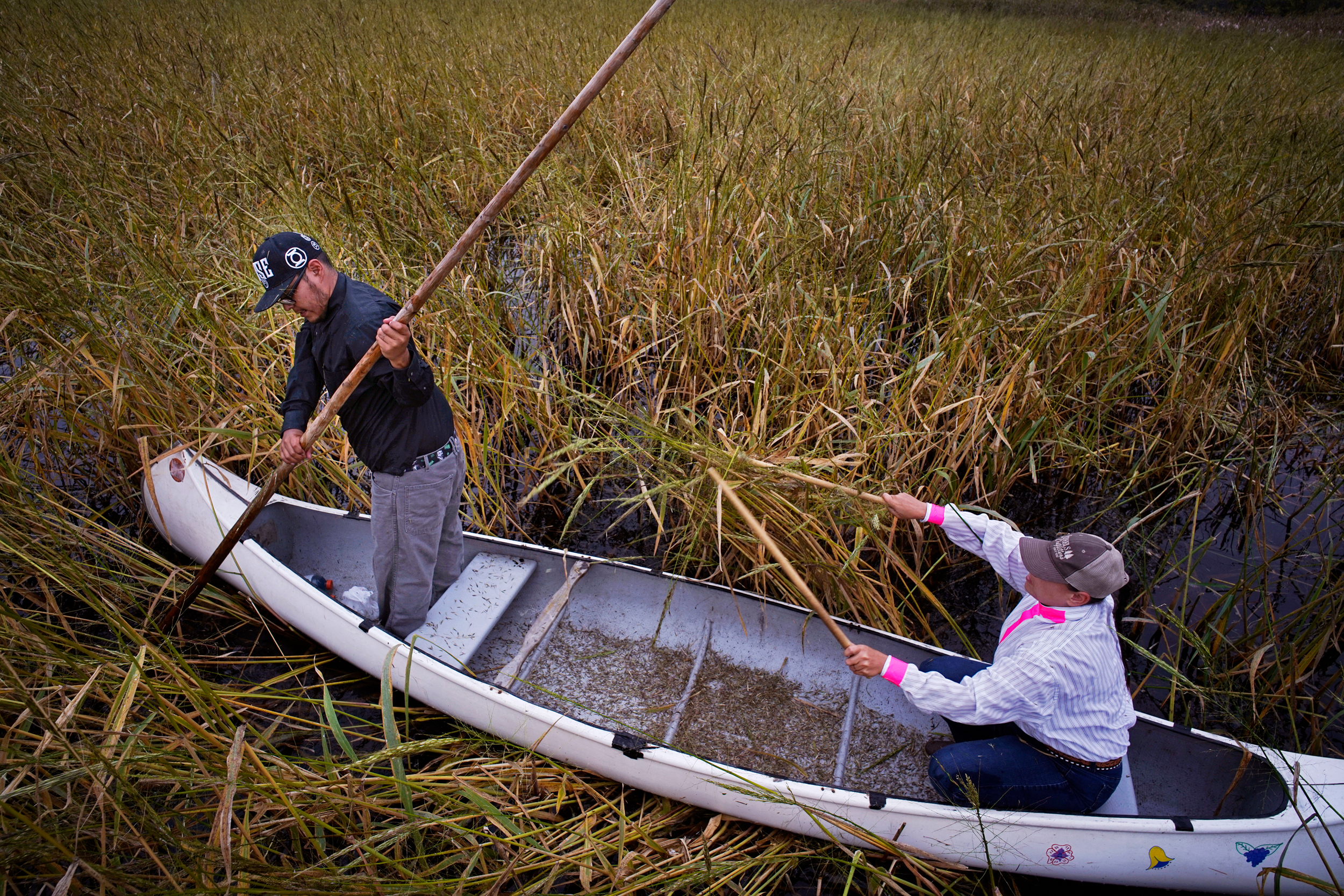
- Suzanne Greenlaw – an ecologist at the Schoodic Institute, participated in a 2016 study on sweet grass regrowth that demonstrated Wabanaki practitioners’ superior harvesting knowledge, highlighting the need for Indigenous control over data and permitting.
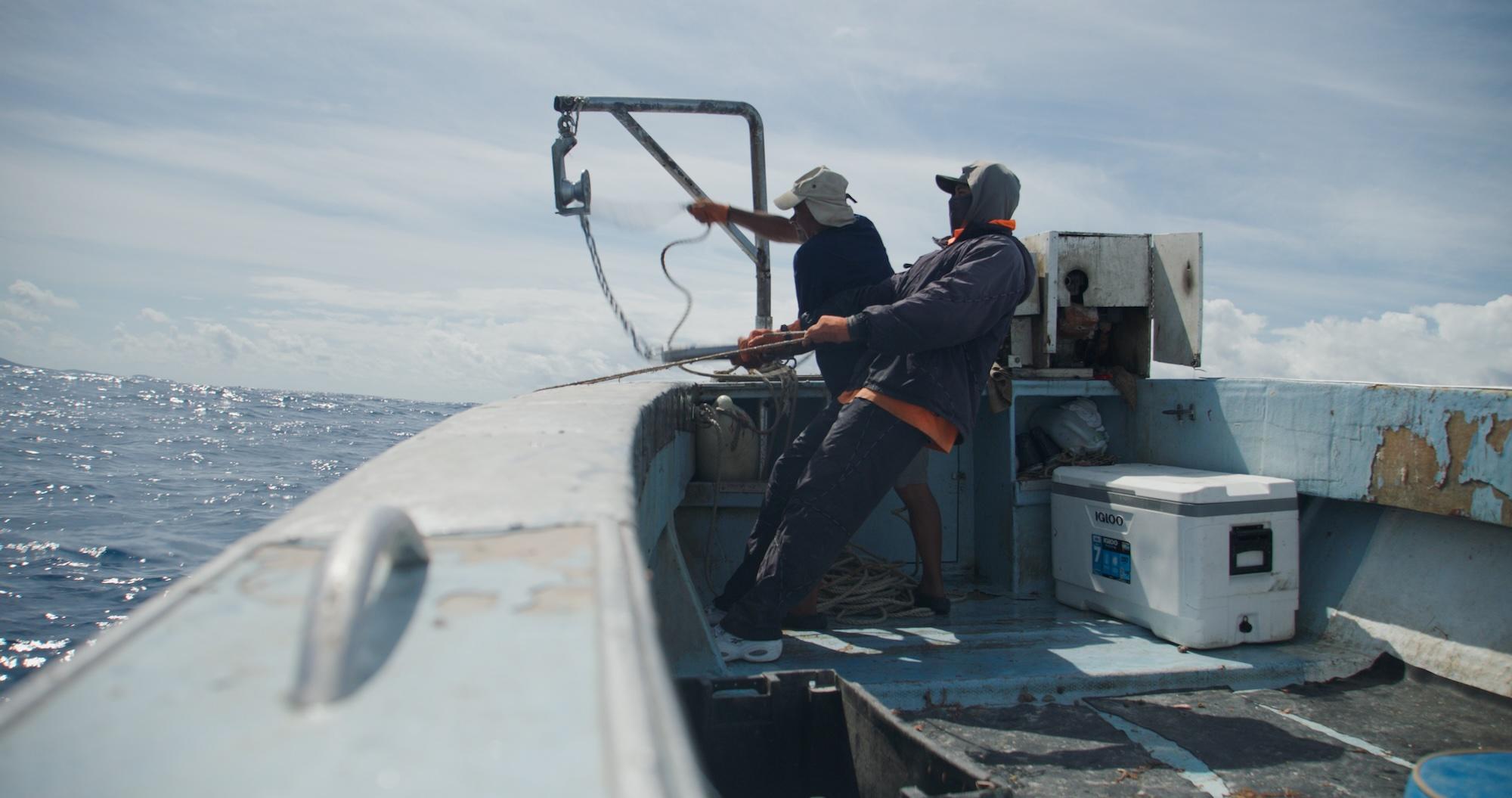
- Canada – passed 2019 legislation requiring Indigenous knowledge consideration in regulatory decisions such as fisheries management, reflecting a governmental shift toward integrating Indigenous perspectives.
Why it matters: Indigenous nations gain tangible control over their heritage and food sovereignty as Hatch’s data helps secure permits for rebuilding clam gardens, while western science benefits from richer ecological insights. However, the continued demand that Indigenous knowledge be “proved” by scientific methods keeps power imbalanced.
Ask SkimNews