Culebra Fishers Reopen Village They Rebuilt Themselves — SkimNews
Get the Energy newsletter
Daily energy & climate — solar, EVs, oil, the policy fights and tech bets shaping the transition. Free.
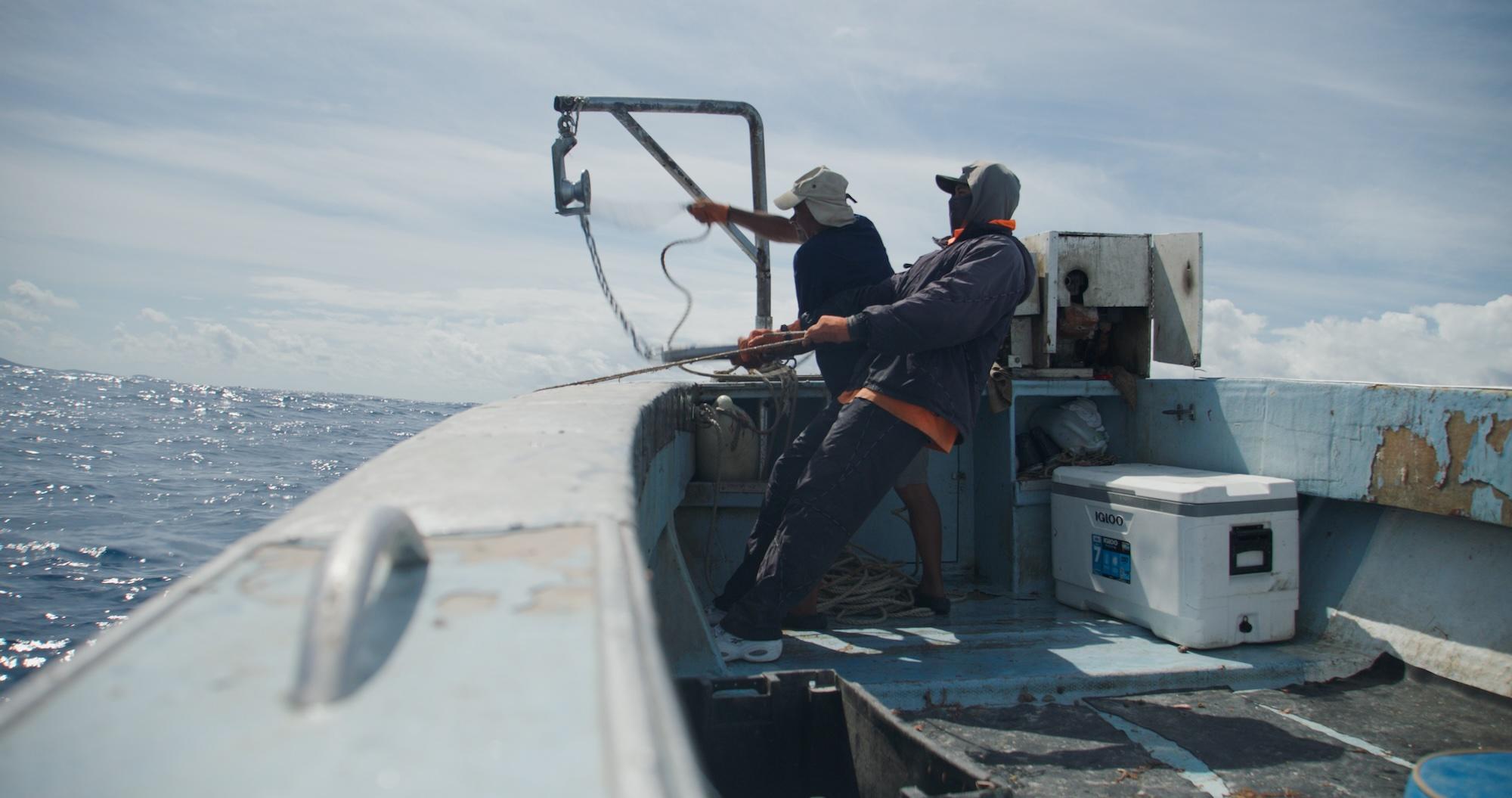
- Culebra fishers reopened their villa pesquera in October after roughly four years of community-led restoration, reviving a facility Puerto Rico's government shut down in 2002 because of political infighting and lost funding.
- Puerto Rico's fishing governance is split across at least 10 agencies, including the Department of Agriculture, the Department of Natural and Environmental Resources, the Army Corps of Engineers, NOAA, and the U.S. Coast Guard, after CODREMAR's 1990 dissolution left no central regulator.
- A forthcoming Nature Conservancy Puerto Rico analysis found that marine aquaculture permits can cost hundreds to thousands of dollars, disproportionately burdening small-scale producers compared to mainland U.S. peers.
- Just 12 villas pesqueras generate more than $3 million annually for Puerto Rico's economy, where the broader agriculture, forestry, and fishing sector accounted for only 0.69% of GDP in 2024.
- Governor Jenniffer González-Colón declared a second state of emergency over coastal erosion in late May, following a 2023 emergency that earmarked $105 million in federal funds.
- Average ocean temperatures around Puerto Rico have risen nearly 2°F since 1901, killing coral reefs and seagrass and shifting which species fishers can reliably catch.
Why it matters: Small-scale fishers could anchor food security in Puerto Rico's vulnerable island communities, where food is almost exclusively imported and poverty rates run more than double the U.S. national average — but a splintered regulatory landscape, where one agency requires what another counters, blocks the sector from scaling to meet that need.
Ask SkimNews