Volkswagen’s next electric SUV is almost here, and it’s not just a rebadged ID.4 [Images] — SkimNews
![Volkswagen’s next electric SUV is almost here, and it’s not just a rebadged ID.4 [Images]](https://electrek.co/wp-content/uploads/sites/3/2026/01/Volkswagen-ID.4-refresh.jpeg?quality=82&strip=all&w=1400)
Get the Energy newsletter
Daily energy & climate — solar, EVs, oil, the policy fights and tech bets shaping the transition. Free.
- Volkswagen announced in April it will end ID.4 production at its Chattanooga, Tennessee plant, shifting focus to gas-powered SUVs like the three-row Atlas.
- VW says current ID.4 supply will support customer demand into 2027, when the ID. Tiguan goes on sale as the replacement at the Emden, Germany plant.
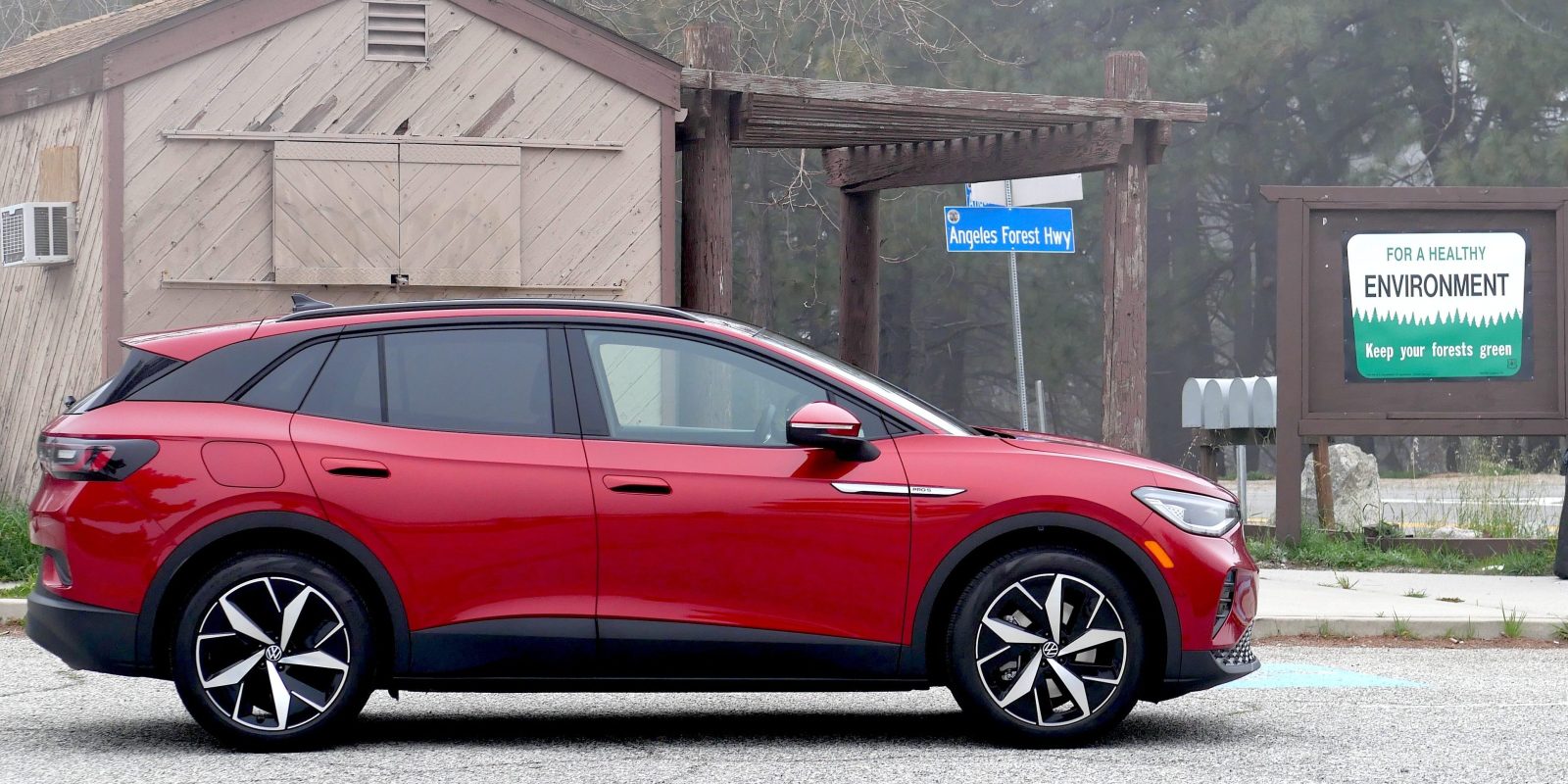
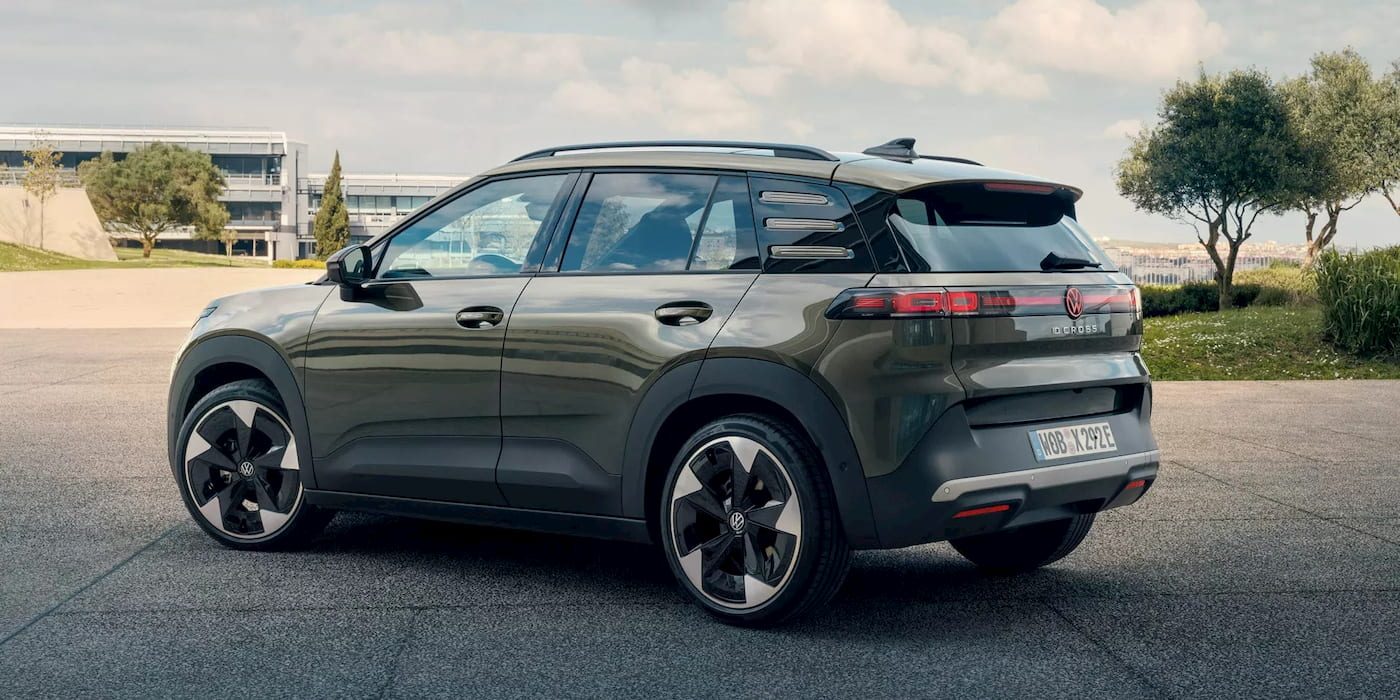
- The ID. Tiguan was spotted in near-final form by ForoCochesElectricos with a more traditional SUV shape, squared-off front end, new headlights, redesigned hood, new doors, and pop-out handles.
- The new electric SUV is built on Volkswagen's MEB+ platform — the same underpinnings as the ID. Polo and ID.3 Neo — with expected range and charging improvements over the current 82 kWh ID.4 (EPA-rated up to 291 miles RWD, 263 miles AWD).
- The cabin is expected to adopt VW's new design, including reintroduced physical buttons for climate control and steering-wheel functions based on driver feedback.
- The debut is expected by end of 2026, per Automotive News, and follows early market success of competitor EVs including the 2026 Toyota bZ and Hyundai IONIQ 5.
Why it matters: VW is ending U.S. ID.4 production at Chattanooga and replacing it with the ID. Tiguan at its Emden, Germany plant, betting Tiguan-like styling and MEB+ platform gains in range and charging can compete against the 2026 Toyota bZ and Hyundai IONIQ 5, which the source notes have already shown early market success.
Ask SkimNews