US-Iran Doha Talks End Without Breakthrough, Pause for Funeral — SkimNews

Get the Geopolitics newsletter
Daily geopolitics — wars, elections, sanctions, the diplomatic moves that move markets. Free.
- US and Iranian delegations concluded indirect technical talks in Doha on Wednesday with no reported progress toward lasting peace, focusing instead on issues from a two-week-old interim agreement following days of tit-for-tat military strikes tied to a Strait of Hormuz shipping dispute.
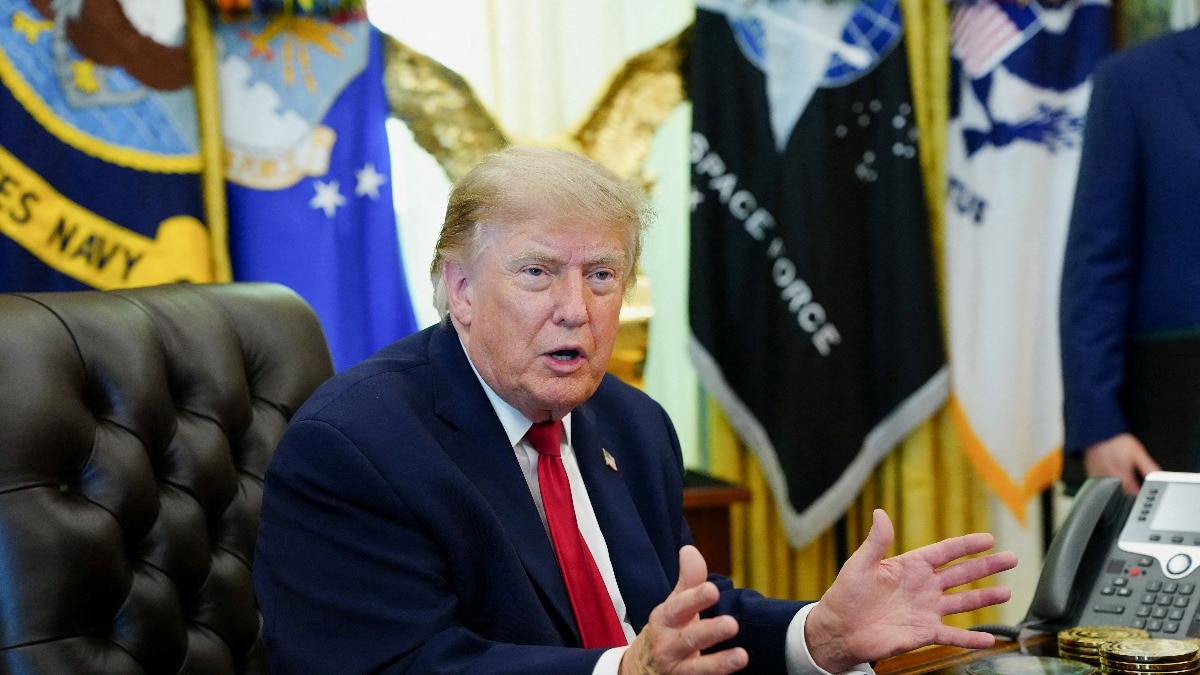
- Steve Witkoff and Jared Kushner led the US delegation and met Qatari Emir Sheikh Tamim bin Hamad Al Thani, while Iran sent Deputy FM Kazem Gharibabadi rather than top negotiators Abbas Araghchi and Mohammad Bagher Ghalibaf.
- Two Doha sessions addressed what Iran called US "violations of its obligations" — producing an agreement to establish a dispute-resolution communication channel — and the release of $6bn in frozen Iranian funds, with Qatar's Central Bank reviewing how that money would be spent on goods for Iran.
- Commercial ship movements through the Strait of Hormuz rose more than 50% in the week of June 22–28 versus the prior week, according to Kpler data cited by the article, even as US VP JD Vance confirmed the waterway was on the Doha agenda.
- Iranian Speaker Mohammad Bagher Ghalibaf denied IAEA inspectors access to the Fordow, Natanz, and Isfahan nuclear sites bombed during last year's 12-day war, saying parliament had barred such access and inspectors may only visit the Bushehr power plant and Tehran reactor.
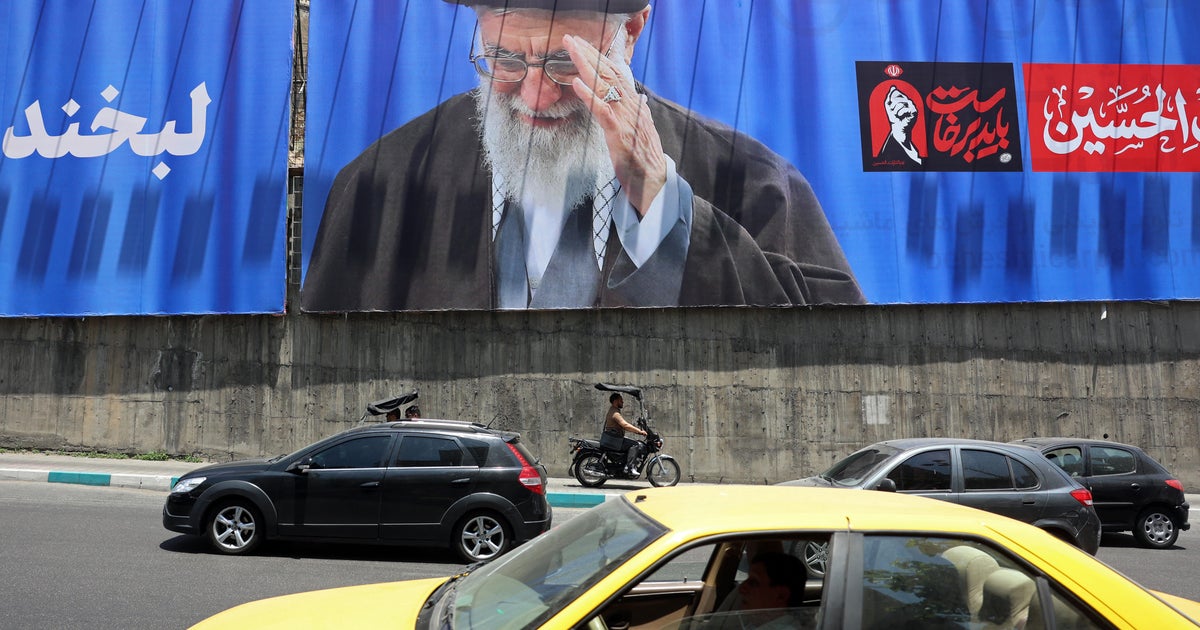
- Qatar announced "positive progress" on the Islamabad Memorandum of Understanding and said the next round will be scheduled after six-day funeral processions for former Supreme Leader Ali Khamenei, who the article says was killed in a US-Israeli strike on the first day of the war.
Why it matters: The talks' failure to move beyond previously settled issues means the $6bn in frozen funds and IAEA nuclear inspections remain unresolved leverage points. Iran's parliamentary refusal to grant IAEA access to bombed nuclear sites keeps the nuclear file frozen, while the six-day funeral pause delays any diplomatic momentum until at least next week.
Ask SkimNews