US-Iran Doha Talks Wrap; Hormuz Fee Dispute Persists — SkimNews

Get the Geopolitics newsletter
Daily geopolitics — wars, elections, sanctions, the diplomatic moves that move markets. Free.
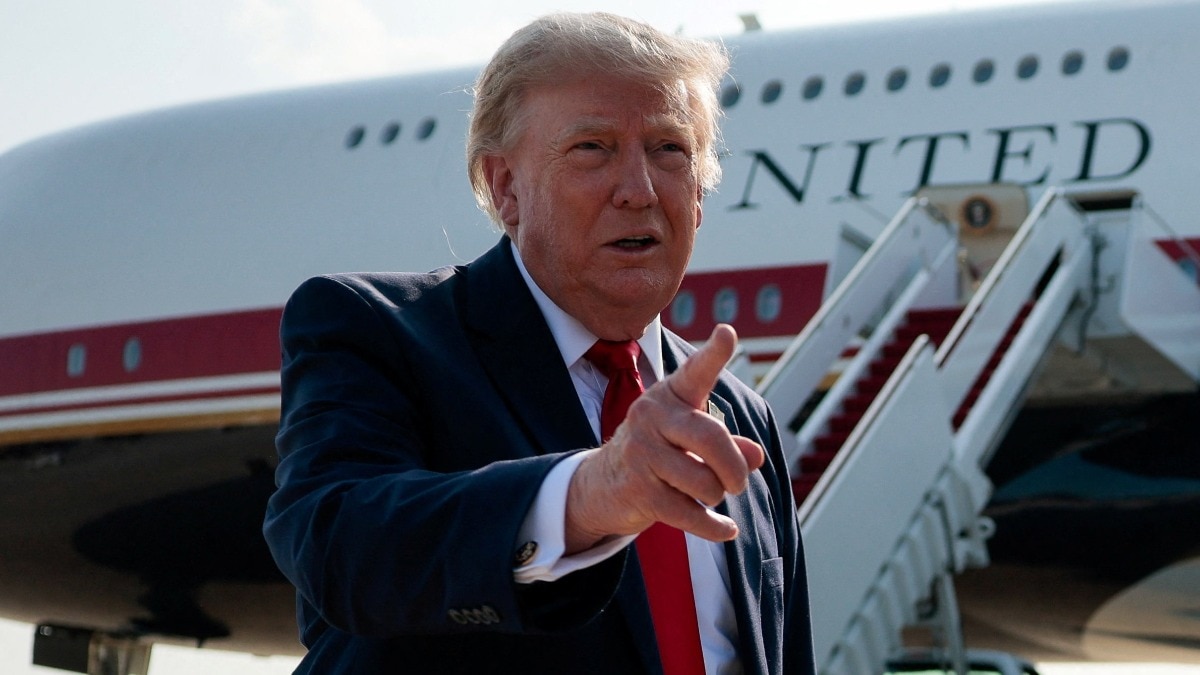
- Trump said on July 1, 2026 that indirect talks with Iran in Qatar made progress toward ending the West Asia war and reducing tensions following recent exchanges of fire.
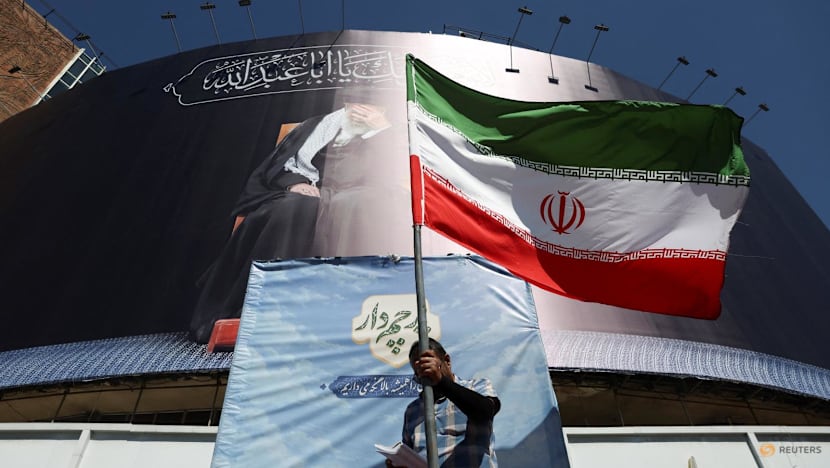
- Iran's Deputy FM Kazem Gharibabadi announced the Doha talks' conclusion, saying the parties agreed a communication channel would be established by Thursday to report and record violations of an initial MoU.
- A foreign container ship ran aground in the Strait of Hormuz after using a route not approved by Iran, according to Iranian state television — the first such incident disclosed since the 60-day interim deal.
- Iran and the U.S. had agreed under an interim deal to allow vessels to pass uncharged through the Strait of Hormuz for 60 days.
- Tehran is insisting it must control vessel routes and later charge passage fees — a demand that would upend decades of waterway practice — and the U.S. along with Gulf Arab states say they will not agree to the charges.
Why it matters: The 60-day free-passage window for the Strait of Hormuz — the chokepoint carrying a significant share of global oil — is directly tied to whether Iran's toll-and-route-control demand is accepted. With the U.S. and Gulf Arab states refusing the fees and a ship already running aground on an unapproved lane, operational risk in the world's busiest energy corridor persists even as diplomats report incremental progress.
Ask SkimNews