US Presses Iran to Drop Strait Tolls for Nuclear Deal — SkimNews

Get the Geopolitics newsletter
Daily geopolitics — wars, elections, sanctions, the diplomatic moves that move markets. Free.
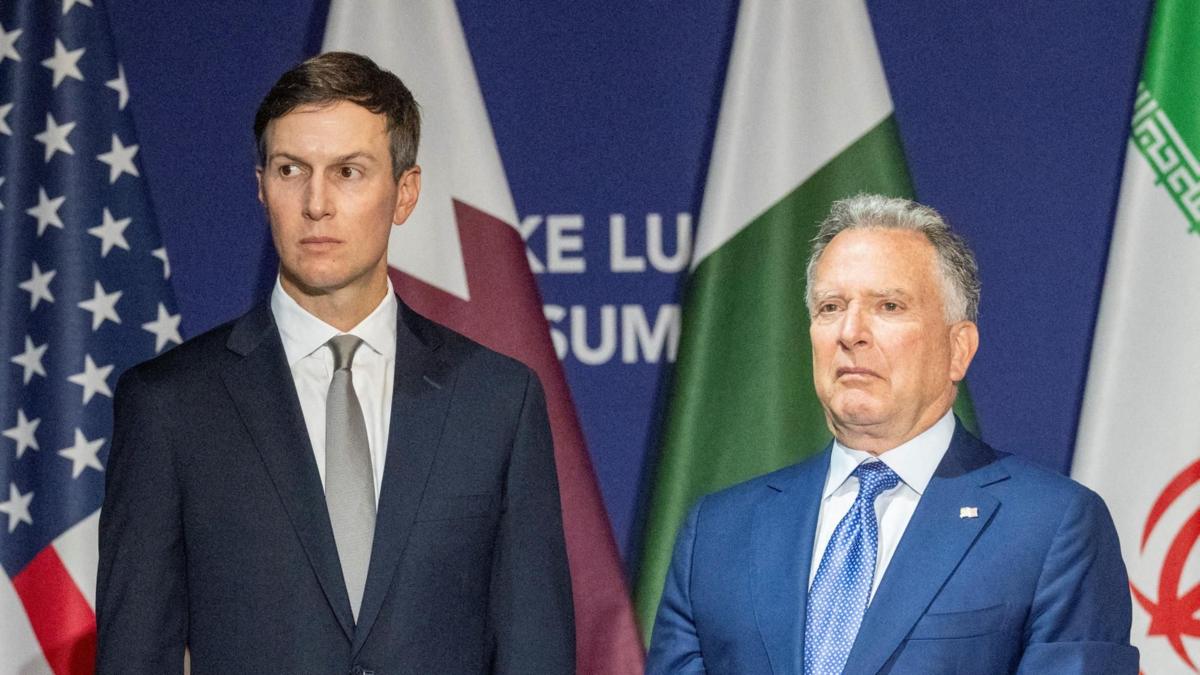
- Trump administration envoys Steve Witkoff and Jared Kushner met Qatari officials in Doha Tuesday-Wednesday, arguing Iran's strait toll plan would "blow up" a nuclear deal worth "100 times more" in oil revenue under lifted sanctions — the US message was "think bigger."
- VP Vance said Wednesday US and Iranian technical teams were "sitting down" with Qataris and others in Doha and called talks productive, though Iran's Deputy FM Kazem Gharibabadi denied any direct contact, saying all negotiations ran through Qatari and Pakistani mediators.
- US and Iran agreed Sunday to a one-week Strait of Hormuz de-escalation, but Axios reports the initial MOU's collapse now looks more likely than a final deal two weeks into the parties' self-imposed 60-day window.
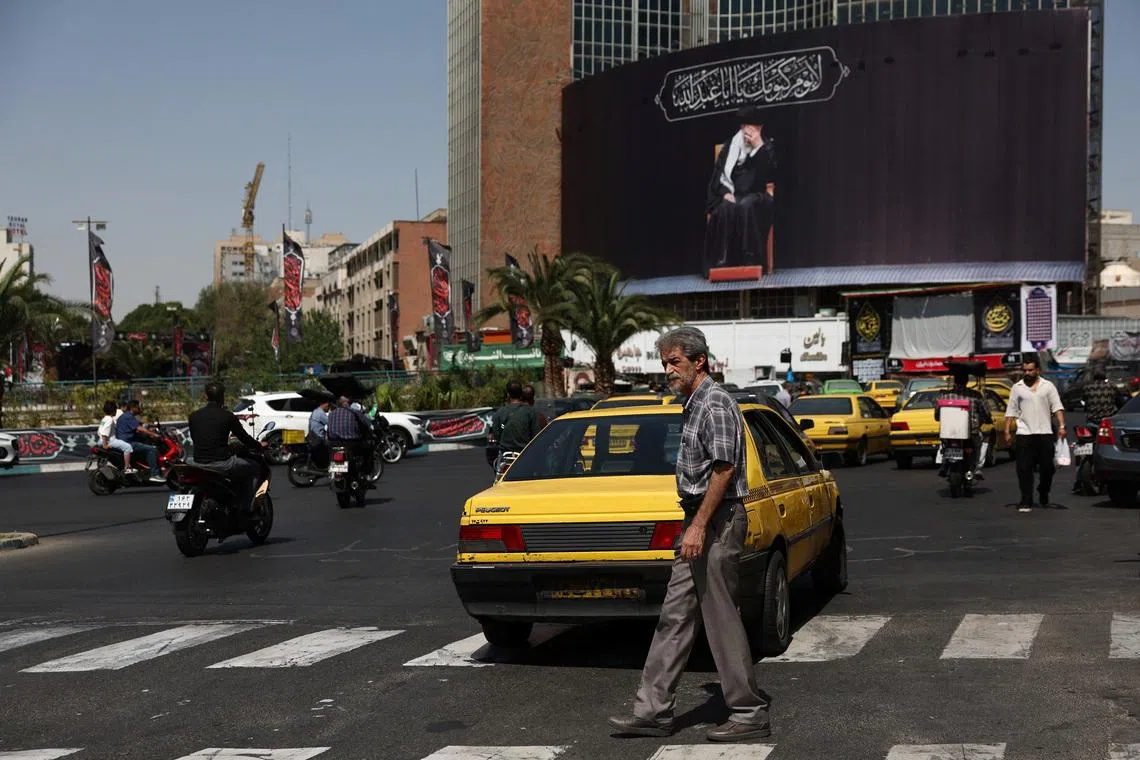
- Iran's recent attacks on commercial ships were triggered by a new shipping route near the Omani coast; Tehran insists on joint sovereignty with Oman and intends to administer the strait and charge passage fees after the MOU expires.
- Al-Arabiya reported US and Iran reached an understanding on releasing a $3 billion first tranche of frozen Iranian funds for humanitarian goods from the US market — a claim US officials denied.
- Trump asked to be briefed on military options after last week's strait attacks but was convinced to let diplomacy play out, even as he publicly told reporters talks were "going well."
Why it matters: Iran's toll demand puts it at odds with the US position that any strait arrangements require Gulf state endorsement — a sovereignty dispute Rubio raised with six Gulf counterparts in Bahrain last week. Axios reports the initial MOU's collapse is now likelier than a final deal, and the one-week de-escalation expires right after July 4th.
Ask SkimNews