China Calls Yasukuni a War Criminals Shrine — SkimNews
Get the Geopolitics newsletter
Daily geopolitics — wars, elections, sanctions, the diplomatic moves that move markets. Free.
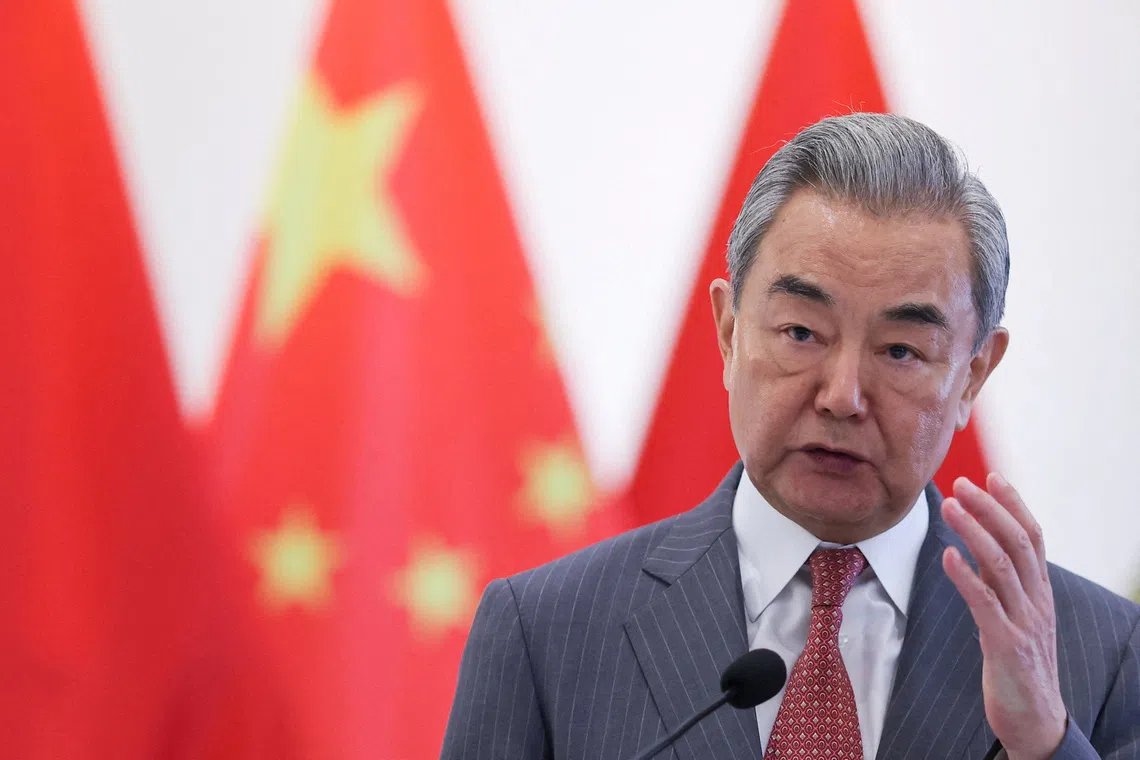
- Chinese Foreign Ministry stopped using “jing guo shen she” on Aug 17, with spokesperson Lin Jian instead calling Yasukuni “zhan fan shen she” when asked about Sanae Takaichi’s Aug 15 offering.
- “Zhan fan shen she” first appeared at an April 21 briefing, when a spokesperson said Yasukuni was “in effect” a war criminals shrine after Takaichi made an offering during the spring festival.
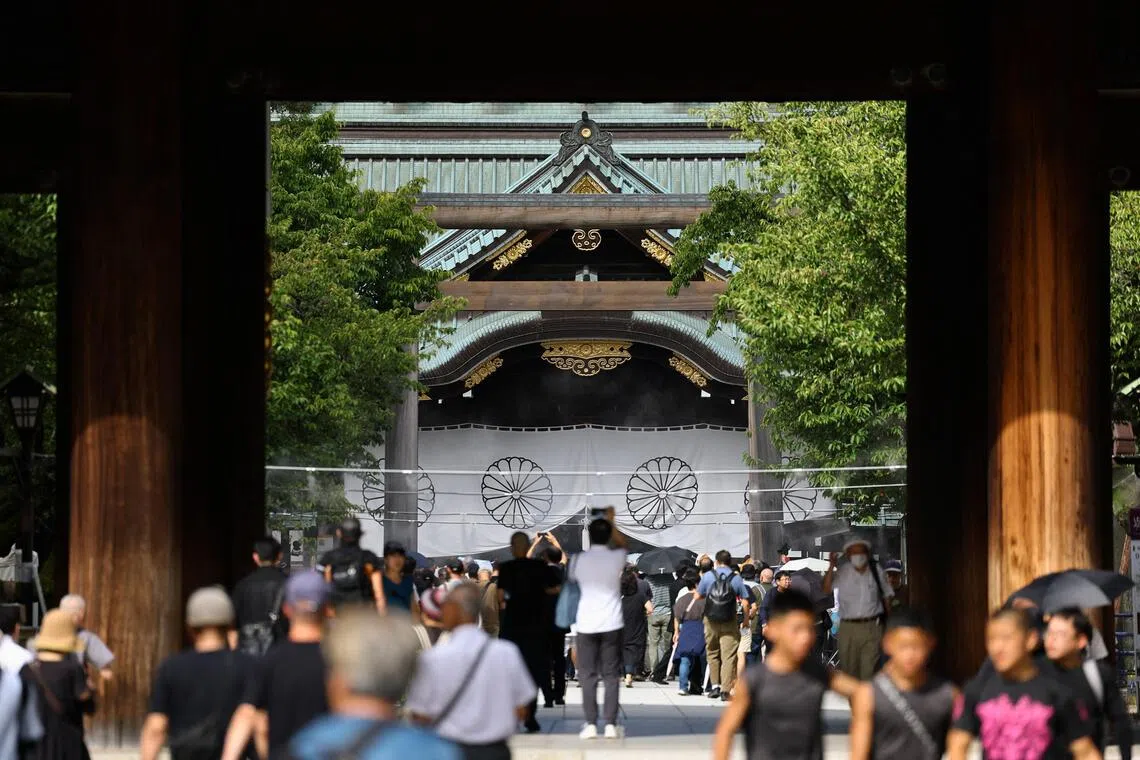
- Yasukuni Shrine commemorates 2.5 million war dead, including 14 convicted Class-A war criminals enshrined as deities, the stated basis for objections from China and South Korea.
- Chen Yang said the wording shifts China’s position from describing the 14 criminals to applying a political judgment to the shrine and denying Japan’s right wing a religious or mourning-site framing.
- Heng Yee Kuang said the stronger label could be read in Japan as tarnishing nearly 2.5 million commemorated war dead, while placing the rhetoric alongside concerns about Taiwan and Japan’s defence modernisation.
- Henrick Tsjeng said China invokes shared memories of Japanese occupation to press South-east Asian governments to censure and isolate Japan, but the campaign has had little effect apart from Myanmar.
- Japan retained first place in the ASEAN Studies Centre’s 2026 South-east Asia trust survey, followed by the European Union, the United States and China.
Why it matters: China’s new term directly narrows Tokyo’s room to present Yasukuni as an ordinary memorial, while giving Beijing a sharper historical critique. The campaign has had little demonstrated effect on Southeast Asian governments; Japan retained the top spot in the region’s 2026 trust poll.
Ask SkimNews