US Slaps 25% Tariff on Brazil Over Pix Payment System — SkimNews
Get the Finance newsletter
Daily finance — markets, central banks, M&A, the prints that move money. Free.
- The U.S. Trade Representative will impose a 25% tariff on most Brazilian goods starting July 22 under Section 301, marking the first time Washington has used the trade authority against a country's domestic payment system.
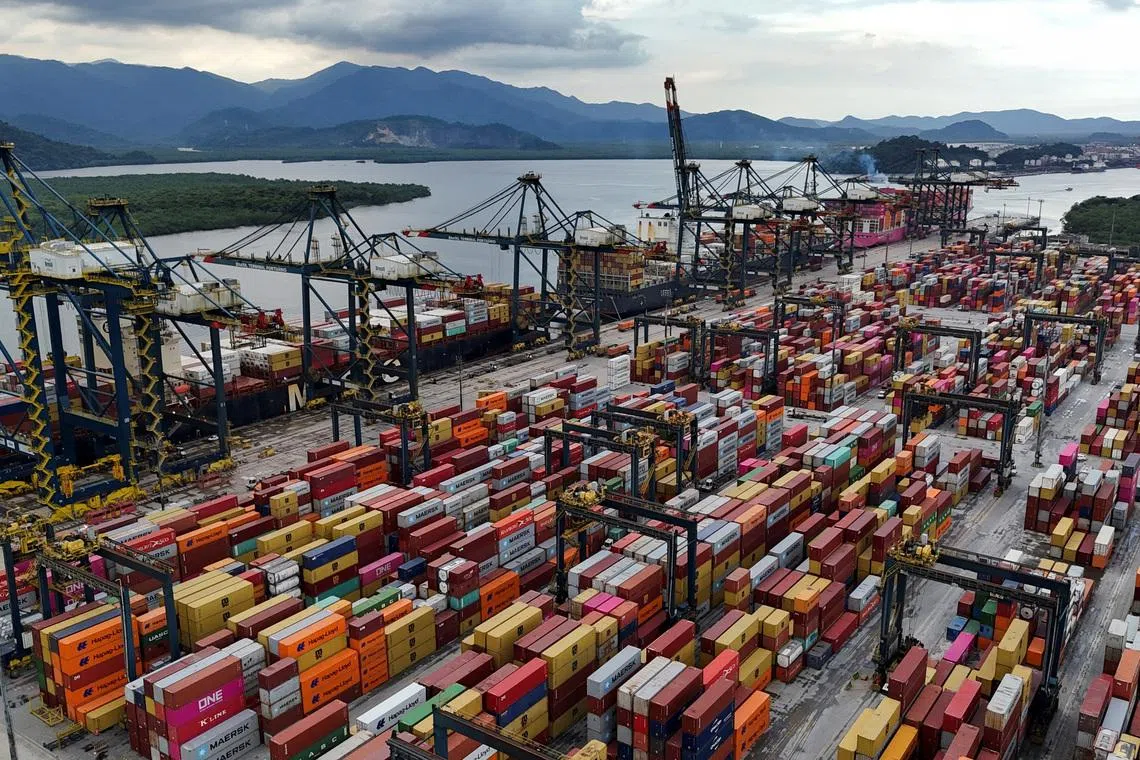
- USTR is targeting Brazil's Pix instant-payment system, arguing its rules—free services for individuals and capped merchant fees—disadvantage American payment firms Visa and Mastercard in a market where Pix now outpaces cards.
- Pix processed 42.9 billion transactions in the second half of 2025, compared with 23.8 billion across credit, debit, and prepaid cards combined, and is used by more than 90% of Brazilian adults.
- Dollar-linked stablecoins account for roughly 90% of crypto transaction volume in Brazil, with the country processing between $6 billion and $8 billion in crypto each month, most of it settled in dollar-denominated stablecoins rather than reais.
- Brazil's central bank will bar payment firms from settling cross-border payments in stablecoins or other crypto under Resolution 561, effective October 1, closing a back-end channel that had routed reais through dollar tokens.
- The Section 301 action creates a precedent for future trade disputes over government-built payment networks, with the source noting it could extend to India's Unified Payments Interface (UPI) and similar state-run systems.
Why it matters: The U.S. is using a trade weapon to protect Visa and Mastercard from Pix's fee-free model, yet dollar-linked stablecoins already capture roughly 90% of Brazil's $6–8 billion monthly crypto volume—exposing a mismatch between defending legacy card rails and the dollar's actual digital expansion.
Ask SkimNews