US Supreme Court allows Trump’s ballroom project to continue for now — SkimNews

Get the Geopolitics newsletter
Daily geopolitics — wars, elections, sanctions, the diplomatic moves that move markets. Free.
- Chief Justice John Roberts signed the temporary order pausing a judicial halt to the project, a routine step because he oversees appeals from the Washington, DC circuit.
- The Trump administration now argues the ballroom is needed for national security, even though the original pitch emphasized state dinners — and a multi-storey bunker housing a hospital and military facilities is being built beneath it.
- DOJ court filings say 65% of ballroom work is complete, with crews working 20 hours a day, seven days a week, and roughly $200m in private donations already spent or committed.
- Judge Richard Leon, appointed by President George W Bush, ordered a halt to aboveground construction in April, ruling that the president is "not the owner" of the White House and that such a change requires congressional approval.
- A three-judge appeals panel upheld Leon's injunction, with two Democrat-appointed judges calling the project a matter for Congress, not "Executive self-help," while a Trump appointee dissented and called the injunction a "blatant abuse of discretion."
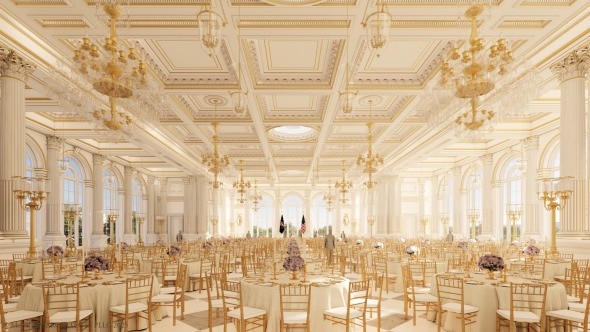
- The National Trust for Historic Preservation sued in December after Trump demolished the century-old East Wing in October with no advance public notice; the new structure will span roughly 8,400 square metres (90,000 square feet).
Why it matters: The pause keeps construction moving while the justices weigh the appeal, but the legal fight hinges on a striking shift in justification: Trump originally pitched the ballroom for state dinners, yet his lawyers now lean on a bunker-level military facility beneath it to claim national-security necessity. A final ruling against him would vindicate the appeals court's view that Congress, not the president, controls changes of this scale to federal property.
Ask SkimNews