Healey’s budget cuts mean Britain is likely to miss green heating targets — SkimNews

Get the Energy newsletter
Daily energy & climate — solar, EVs, oil, the policy fights and tech bets shaping the transition. Free.
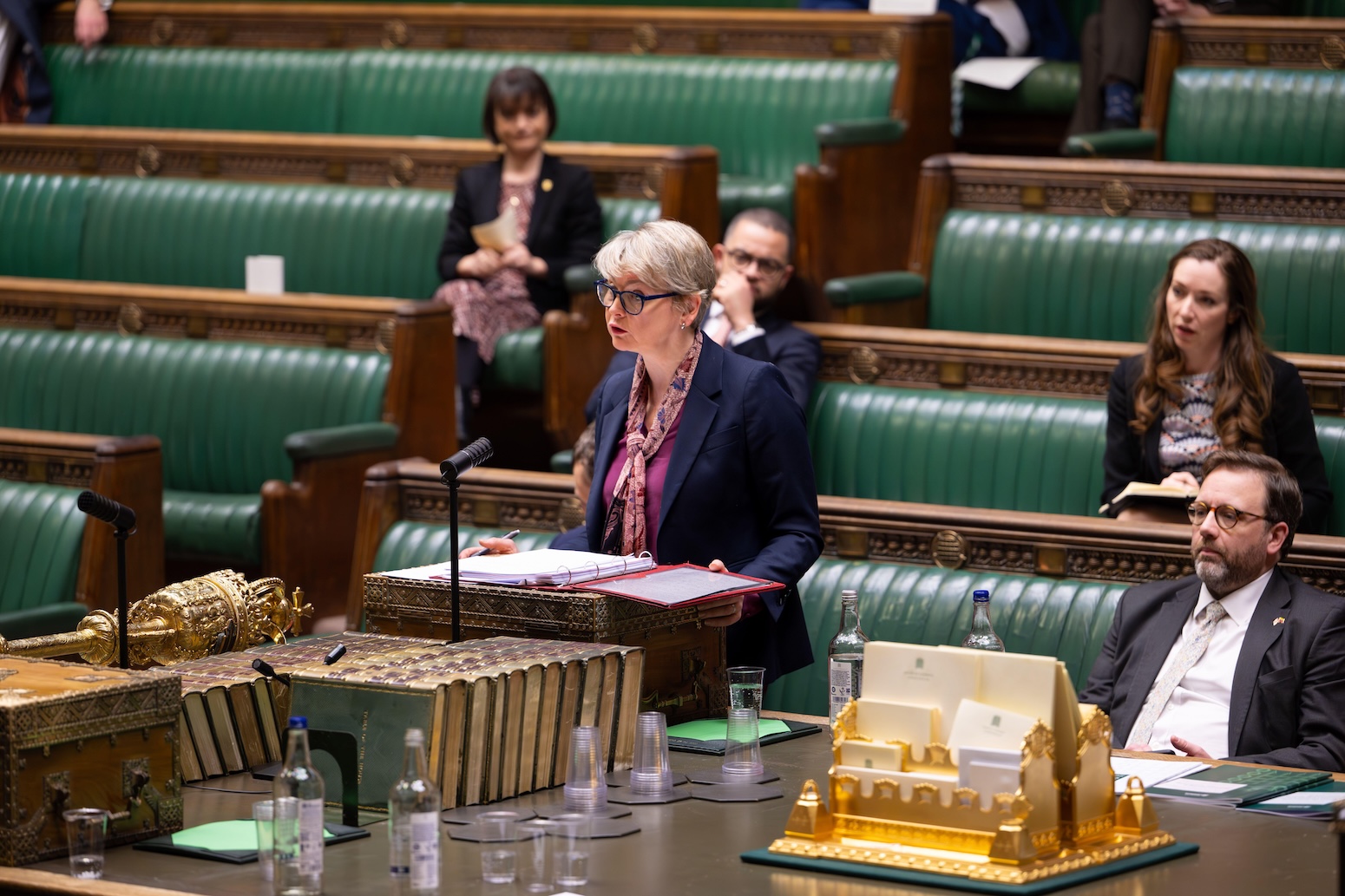
- John Healey announced more than £3bn in cuts to the energy department, including £741m from the Boiler Upgrade Scheme, with part of the defence investment plan funded through reductions to other departments.
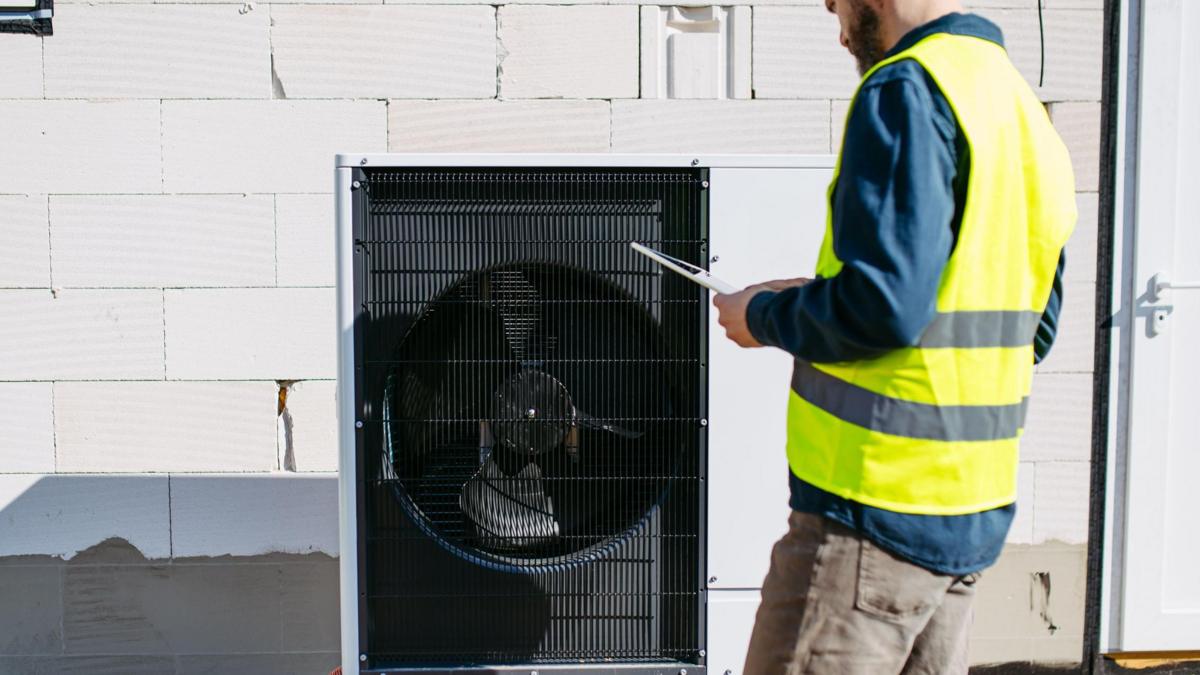
- Boiler Upgrade Scheme offers £7,500 toward a household heat pump and supports about 60,000 installations a year while targeting 250,000 by 2030; instead of increasing funding from £400m this year to just over £700m in 2029-30, it will rise only with inflation, so installations are likely to stagnate or rise much more slowly.
- Andrew Sissons said it was “very difficult to see” how Britain could hit its clean-heating targets, and said it was possible that a Labour government would be the first to miss the commitments in the current carbon budget.
- Ed Matthew said the UK was behind many other countries in rolling out heat pumps and that take-up needed a “sea change” to change that position.
- Warm Homes Plan lost about £250m, alongside £500m in cuts to hydrogen schemes and £200m from carbon capture and storage funding.
- Clean Power 2030 remains the government’s stated commitment, but future renewable projects will be approved only if they show they can bring costs down and are ready for grid connection; many experts believe the 2030 target is impossible under the new system.
- Miatta Fahnbulleh’s allies, alongside Ed Miliband’s allies, said the government would shift green costs from bills to taxpayers and change energy markets so electricity prices were no longer closely tied to gas prices, rejecting the claim that prioritising cost meant abandoning the green agenda.
Why it matters: Households replacing gas boilers can still claim £7,500 under a scheme targeting 250,000 annual installations by 2030, but after a £741m cut ministers say funding will rise only with inflation; installation numbers are consequently likely to stagnate or grow far more slowly than planned.
Ask SkimNews