Israel Strikes Lebanon Two Days After Peace Deal — SkimNews

Get the Geopolitics newsletter
Daily geopolitics — wars, elections, sanctions, the diplomatic moves that move markets. Free.
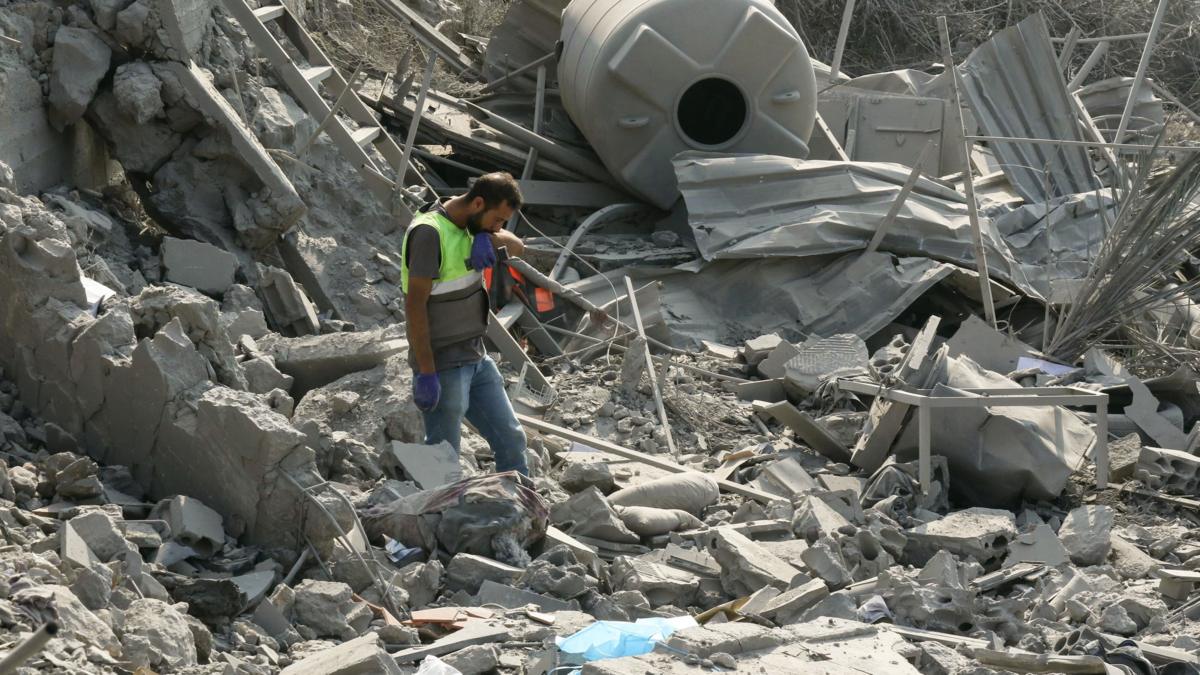
- Israel renewed strikes on southern Lebanon on Sunday, June 28, 2026, two days after both countries signed the framework agreement in Washington following five rounds of talks.
- Israeli military chief Eyal Zamir approved plans for "continued operations in the security zone" — a strip reaching 10 km into Lebanon — framing the strikes as compliant with the ceasefire agreement, while one Israeli soldier "fell in combat."
- Hezbollah leader Naim Qassem declared the deal "null and void" on Saturday, calling it "a surrender of sovereignty," and lawmaker Hassan Fadlallah warned it would push Lebanon from conflict with Israel into "internal conflict," with protesters burning "Lebanon first" signs along Beirut's airport road.
- The agreement ties any Israeli withdrawal from occupied Lebanese territory to Beirut's verified disarmament of Hezbollah, with Israel's Defence Minister Israel Katz insisting troops will stay "so long as Hezbollah remains armed."
- Lebanese President Joseph Aoun told Donald Trump on Saturday that Lebanon "would assume its responsibilities" in implementing the framework, while Iranian parliament speaker Mohammad Bagher Ghalibaf told Nabih Berri that Tehran's goal is Hezbollah's disarmament's mirror — removal of Israeli forces and refugee return.
- Hezbollah had pushed Lebanese authorities to link themselves to Iran's parallel negotiations with the U.S., with Tehran insisting any West Asia ceasefire include Lebanon — a regional linkage the Washington framework sidestepped.
- Prime Minister Benjamin Netanyahu called the deal "historic," even as the Israeli army's same-day operations in the self-proclaimed security zone tested its terms within 48 hours of signing.
Why it matters: The deal makes Israeli withdrawal contingent on Hezbollah disarmament that Hezbollah has flatly refused — meaning Israel now operates under a signed framework that its own defence minister says justifies a continued troop presence, while Hezbollah's public rejection and threats of "internal conflict" raise the risk of confrontation between the Lebanese state and a militia that draws rockets from Iran's war.
Ask SkimNews