The utility billing system is preventing rate and program innovation — SkimNews
Get the Energy newsletter
Daily energy & climate — solar, EVs, oil, the policy fights and tech bets shaping the transition. Free.
- Guidehouse, in an analysis commissioned by GridX, found the number of approved U.S. electricity rates has grown roughly tenfold over five years to more than 50,000, while most customer information systems (CIS) were built to multiply one price by one usage total.
- Scott Engstrom, GridX's chief commercial officer, says utilities typically need 18 to 36 months to implement a complex rate into production, and pilot rates for a few thousand customers cost roughly the same as rates intended for millions of accounts.
- One West Coast utility filed a billing modernization request exceeding $700 million, with portions disallowed by regulators for insufficient benefit justification, according to the Guidehouse analysis; full CIS replacements at meaningful scale generally run north of $100 million.
- At least 13 states now tie allowed return on equity to performance metrics that include customer satisfaction, affordability, and time-varying rate enrollment, turning billing accuracy from a back-office concern into a shareholder-value issue.
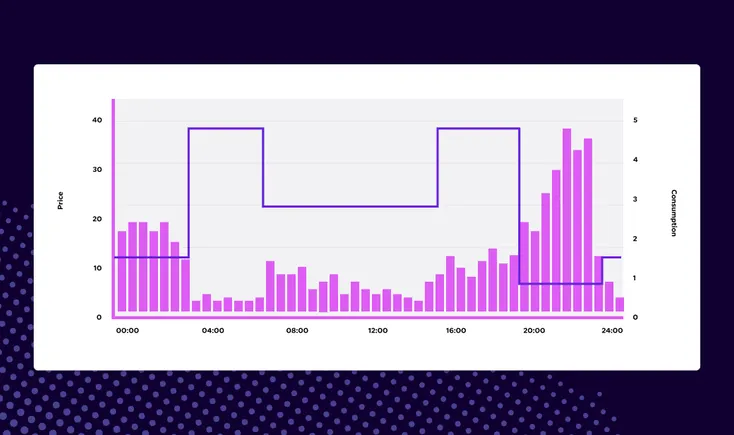
- Data center load growth is accelerating demand for interval-level rate designs such as real-time pricing, dynamic demand charges, and curtailment products, which are exactly what legacy CIS platforms are least equipped to handle.
- Engstrom recommends decoupling rate calculation from the CIS through modular rate engines, vendor-modernized rating modules, or shared industry tooling, arguing new tariffs should become configuration exercises rather than custom-code projects.
Why it matters: Regulators are ordering pilots on 12-month timelines while CIS implementations run 18-36 months, so the programs meant to deliver affordability and demand flexibility keep arriving years late; utilities that treat billing modernization as strategic rather than an IT backlog will be the ones able to scale the rates that absorb data center load and meet performance-based regulation metrics.
Ask SkimNews