'Defensive,' 'dismissive,' 'condescending': Stakeh... — SkimNews

Get the Sports newsletter
Daily sports — scores, transfers, the storylines from the leagues you actually follow. Free.
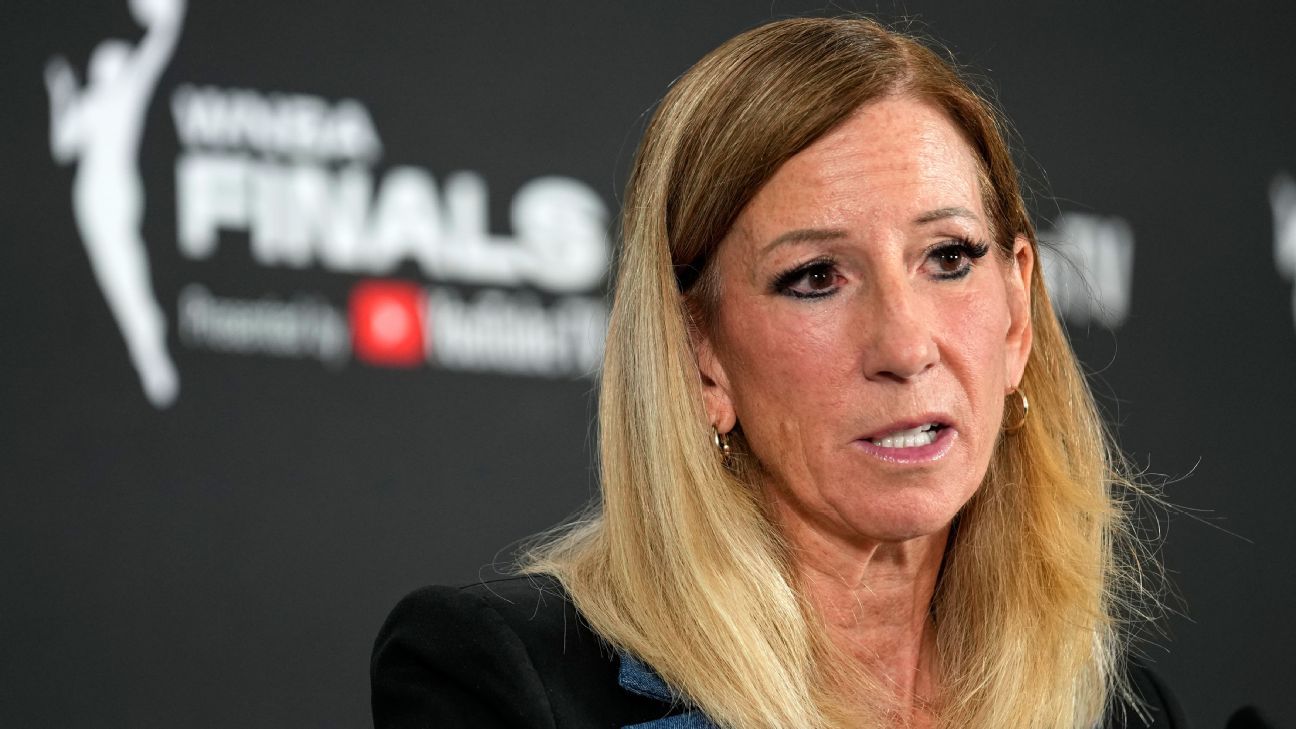
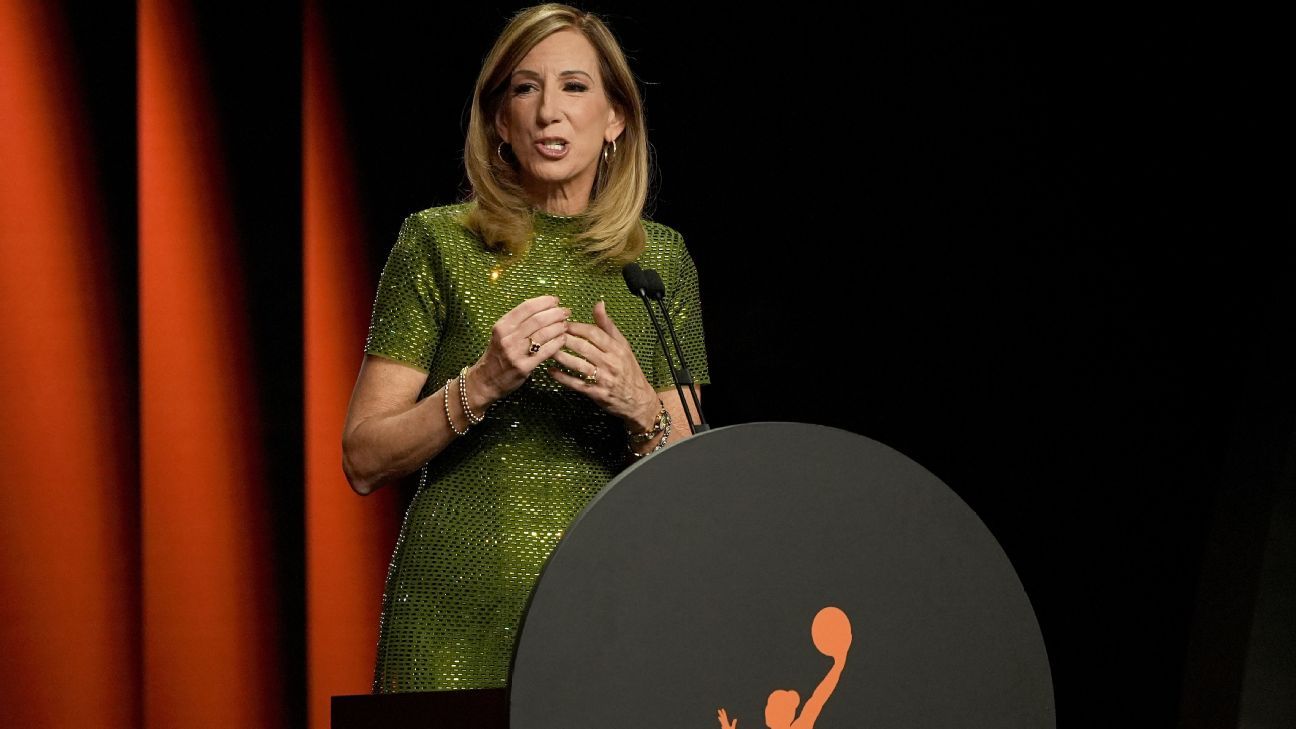
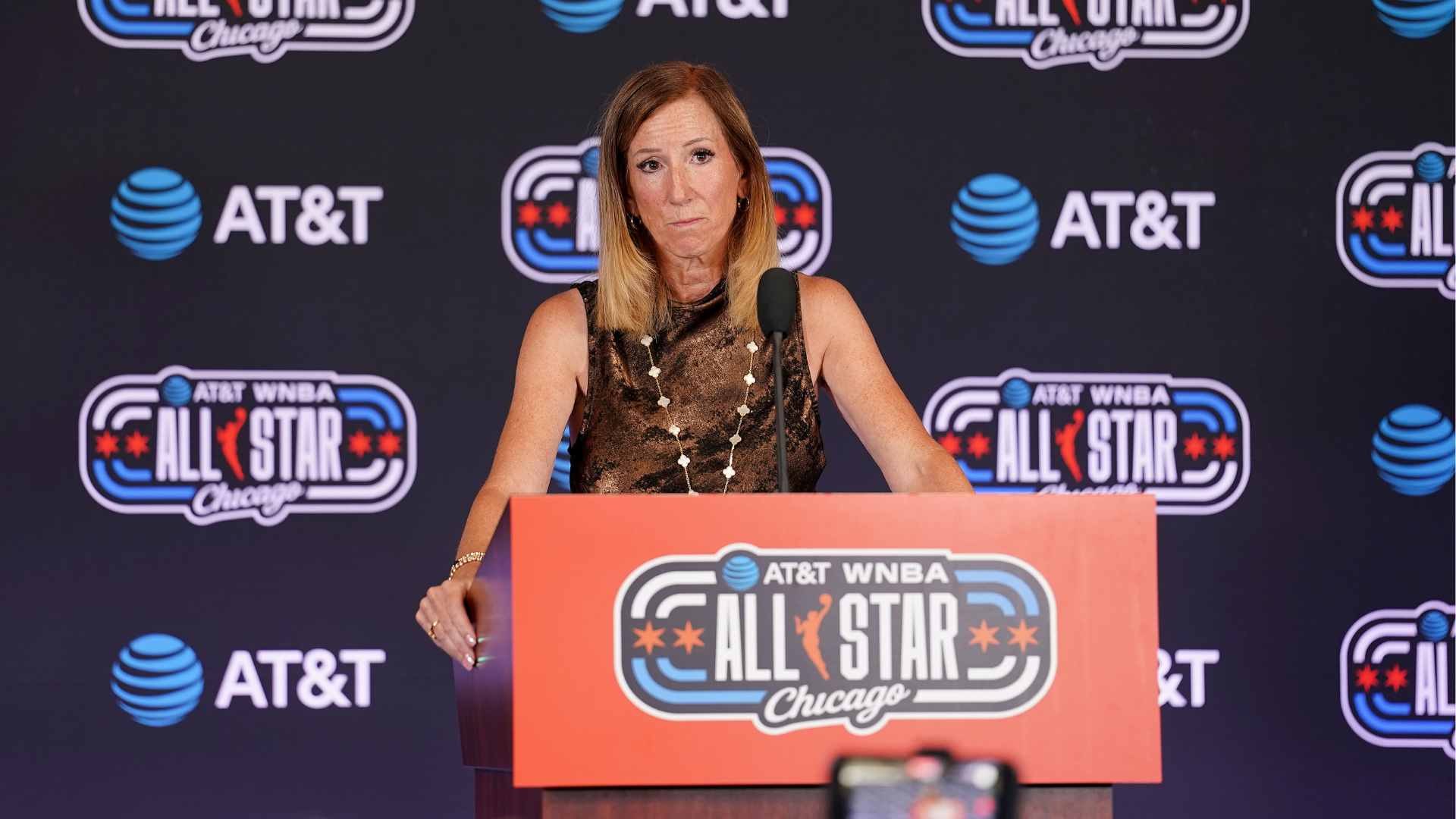
- Cathy Engelbert faces a renewed referendum on her leadership in what should be a triumphant 30th WNBA season, with multiple high-ranking team sources telling ESPN they believe 2026 will be her last as commissioner.
- Napheesa Collier ignited the crisis last fall by calling Engelbert's governance "negligent" and labeling the WNBA the "worst leadership in the world," a critique that drew broad support from players leaguewide.
- Under Engelbert's seven-year tenure, the WNBA grew revenue roughly 10-fold, secured $3.1 billion in new media-rights deals, expanded to 18 teams by 2030, and finalized a historic CBA delivering the league's first $1 million salaries and comprehensive revenue-sharing model.
- NBA commissioner Adam Silver reportedly advised Engelbert to suspend Phoenix Mercury's Alyssa Thomas after Thomas pushed her fist onto Caitlin Clark's throat during a game; Thomas then publicly criticized Engelbert for "remain[ing] silent" and cited harassment and death threats in the aftermath.
- Congressional Republicans sent Engelbert a letter demanding "accountability" for "multiple attacks" on Caitlin Clark, who has increasingly become a political lightning rod.
- Stakeholders across the league — owners, executives, players, and agents — told ESPN Engelbert is often perceived as "defensive," "dismissive," "condescending," and "out of touch," with persistent gaps in communication, transparency, and accessibility.
- Engelbert missed the June 21 anniversary game recreating the league's inaugural matchup, instead attending the U.S. Open golf tournament in Southampton, New York, as a USGA executive committee member; she was also absent from the Women's Basketball Hall of Fame induction that week.
Why it matters: For Engelbert, the business gains she championed — $3.1 billion in media rights and roughly 10-fold revenue growth — may not shield her from a stakeholder-driven exit, with team executives, owners, players, and Congressional Republicans all publicly pressuring her leadership during the league's most-watched season.
Ask SkimNews