Kim Jong Un Orders Military Overhaul, Border Bolstering — SkimNews

Get the Geopolitics newsletter
Daily geopolitics — wars, elections, sanctions, the diplomatic moves that move markets. Free.
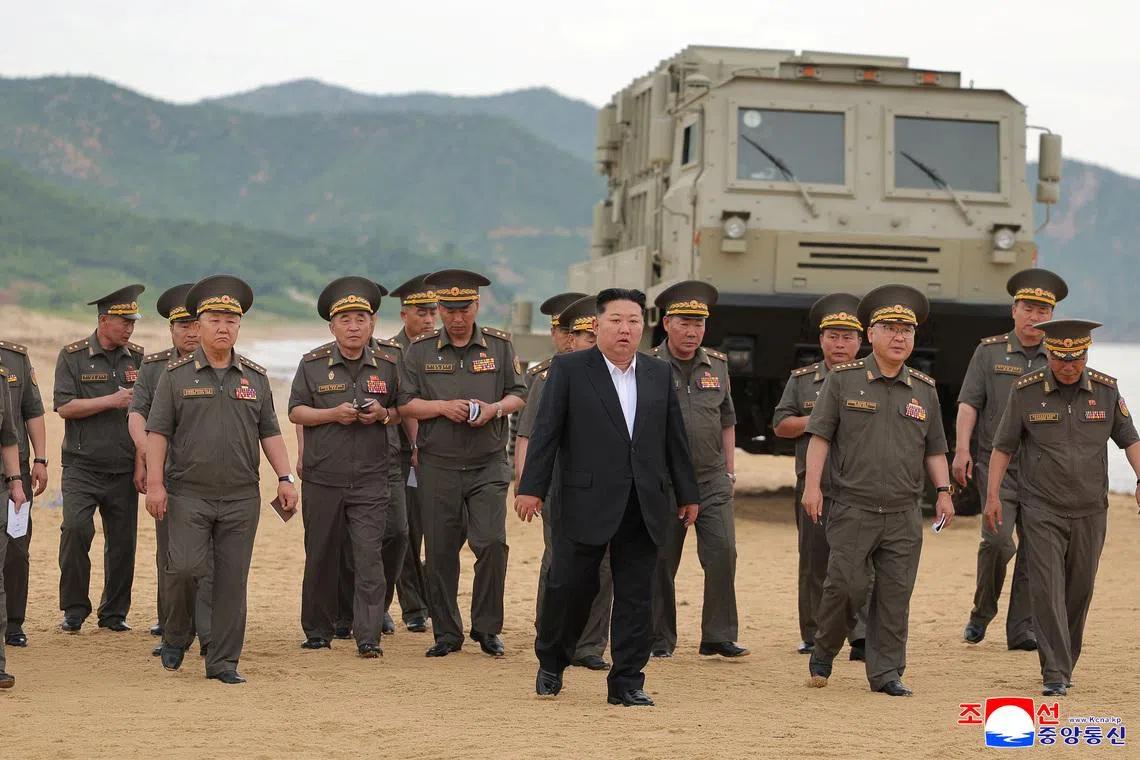
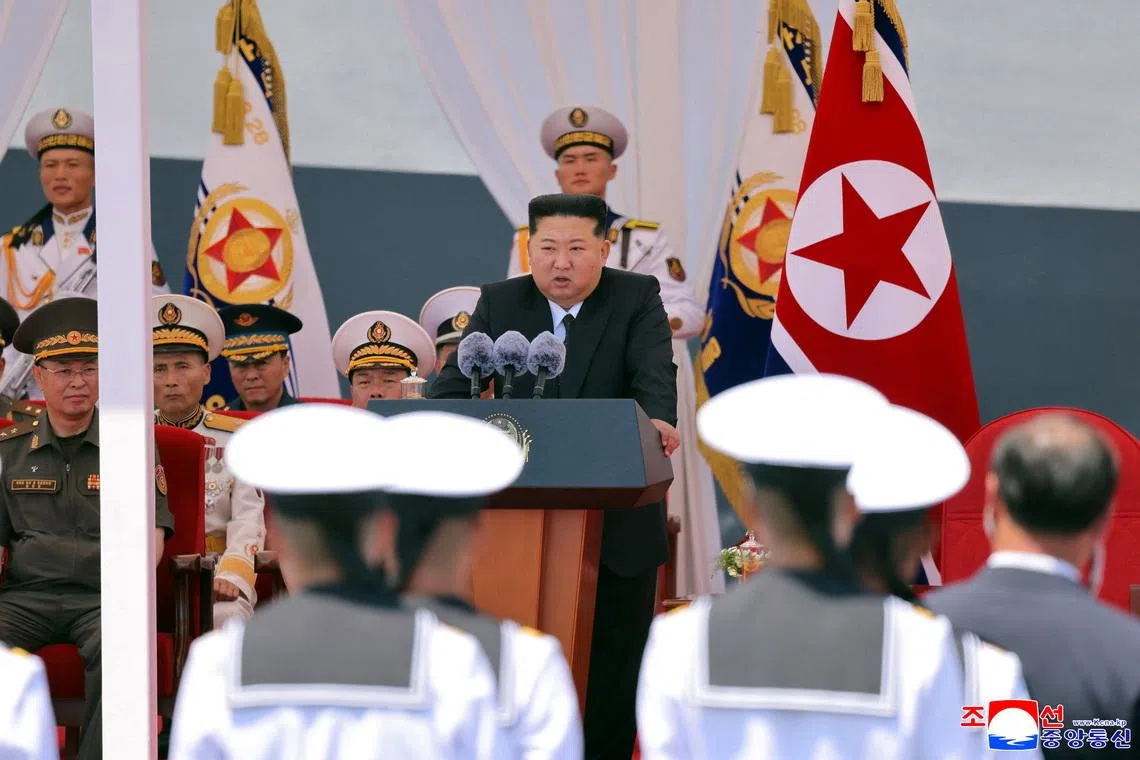
- Kim Jong Un met with division and brigade commanders from the Korean People's Army on May 17 at Party Central Committee headquarters in Pyongyang, calling for sweeping changes to the military's training system and organizational structure.
- Kim ordered a restructuring of the military's organizational and technical setup to reflect the changing nature of modern warfare, directing commanders to redefine operational concepts across all domains.
- Kim singled out the southern border dividing the two Koreas, calling for stronger front-line units and describing border defense reinforcement as "a key measure to deter war," with the border's organizational structure to be remodeled and bolstered in military and technical terms.
- Kim tied the overhaul to the Five-Year Plan defense program he launched in 2021, saying completing its targets would fundamentally transform the KPA's strategic capabilities and war deterrence posture.
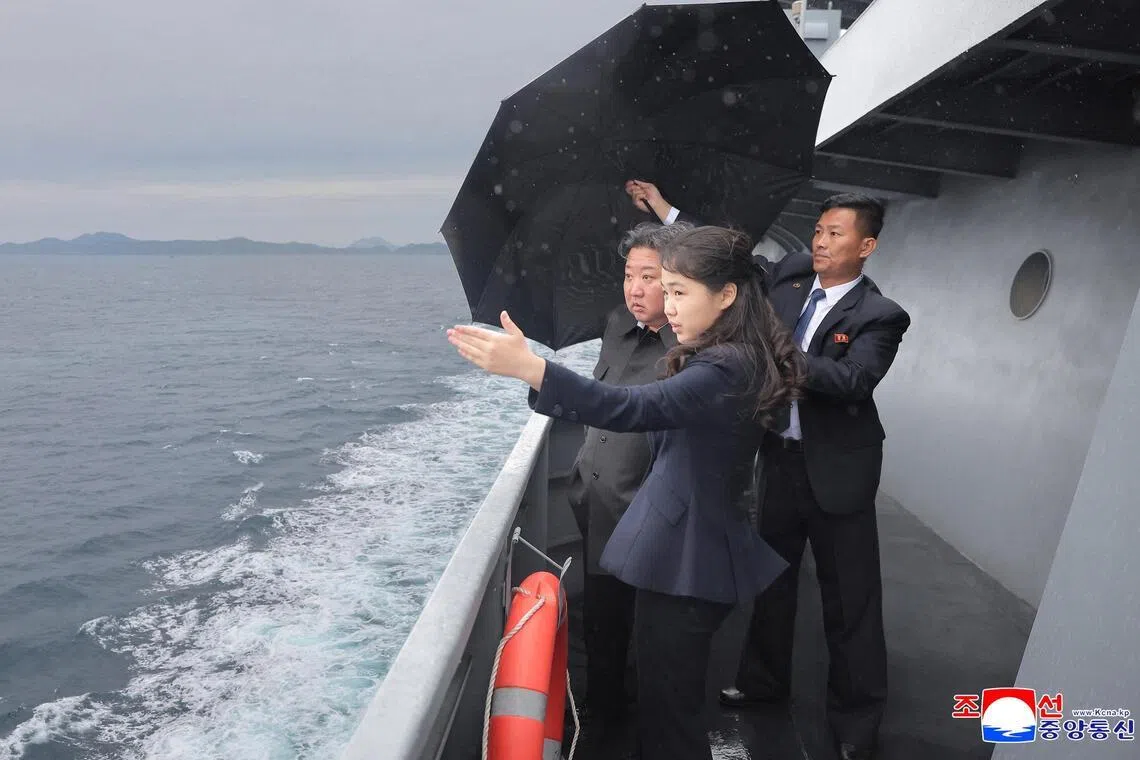
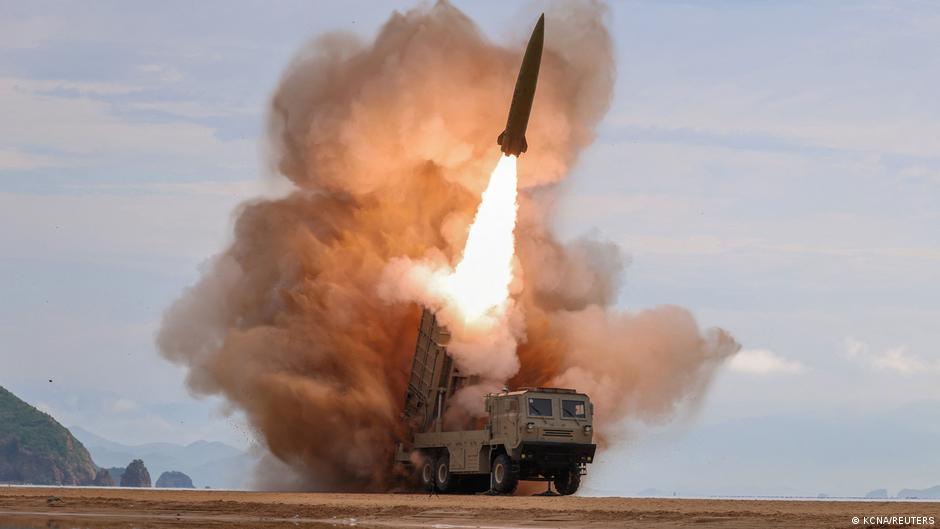
- The meeting followed April missile tests that included tactical ballistic missiles equipped with cluster munition warheads, plus cruise and anti-warship missiles launched from a naval destroyer — a pattern the source describes as methodically expanding the arsenal's operational breadth rather than isolated provocations.
- The remarks came weeks after South Korea's National Intelligence Service confirmed that North Korea had amended its constitution to formally abandon reunification as a state goal, and the source frames the border reinforcement as a deliberate effort to entrench a permanent two-state reality on the Korean Peninsula.
Why it matters: Kim is translating North Korea's constitutional abandonment of reunification into physical military infrastructure: the border restructuring he ordered at the May 17 meeting cements the two-Korea split in concrete terms, not just legal ones. For South Korean defense planners, the combination of hardened border units, a Five-Year Plan targeting renewed strategic capability, and a constitution that strips out reunification removes any ambiguity about Pyongyang's long-term posture along the DMZ.
Ask SkimNews