Gut Bacteria Linked to 15% of Aging Variation — SkimNews
Get the Health newsletter
Daily health & science — research, biotech, public health, the studies worth knowing. Free.
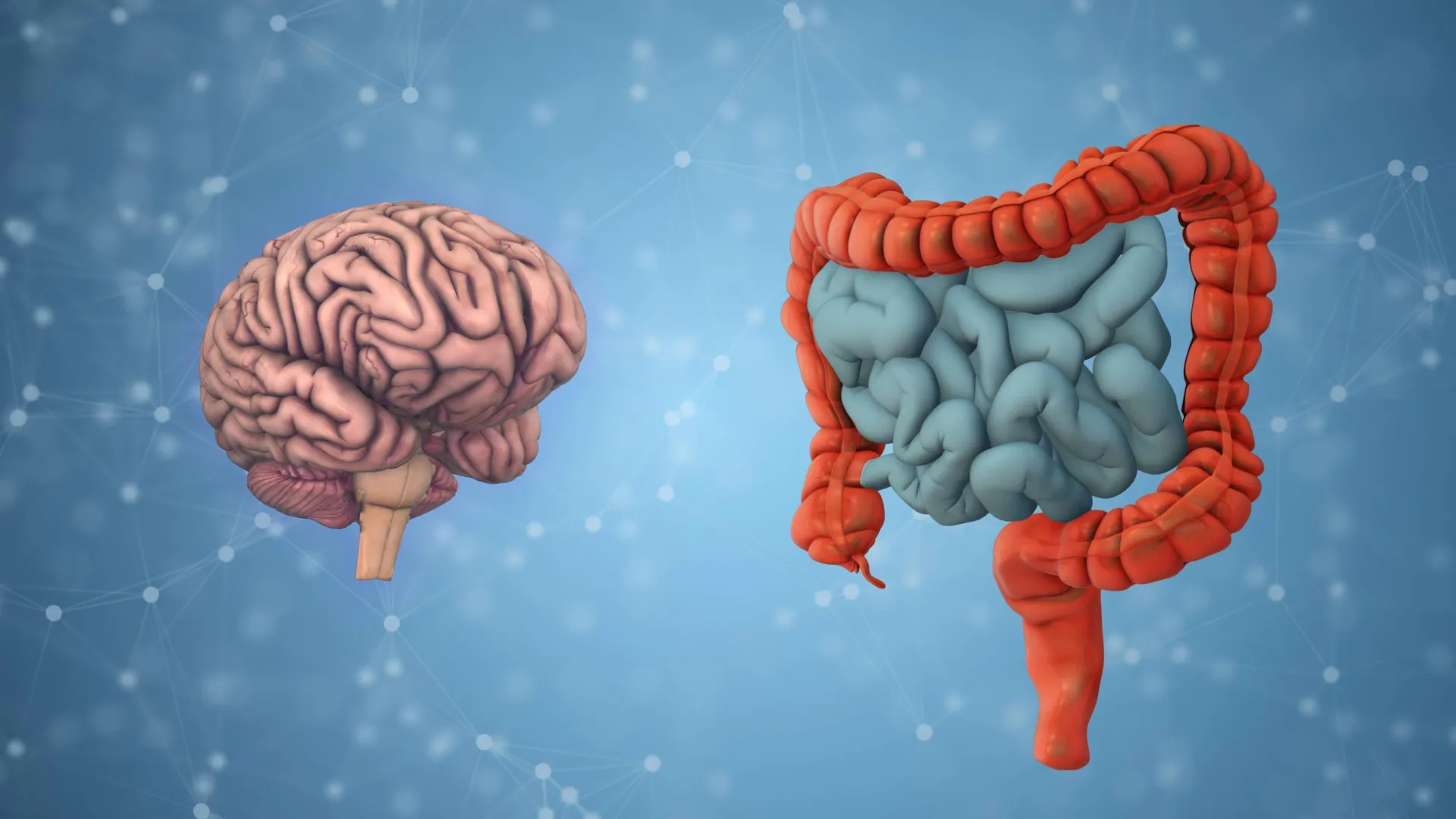
- University of Hawaii at Manoa researchers identified a strong association between gut microbiome composition and biological aging pace, using the DunedinPACE biomarker to measure aging in 123 adults.
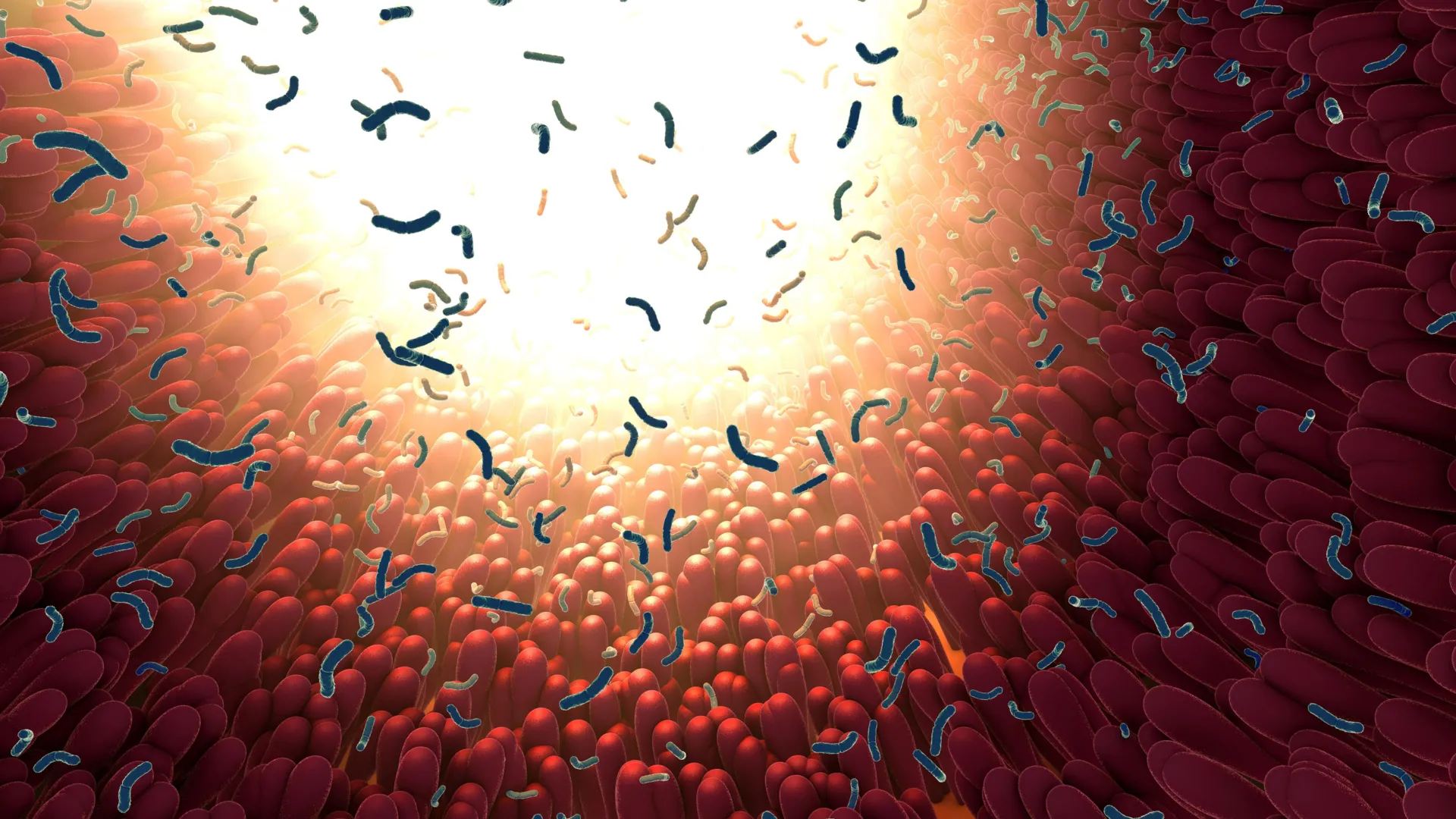
- Bifidobacterium adolescentis was among the microbes most strongly linked to slower biological aging, while Succinivibrio dextrinosolvens was associated with accelerated aging.
- Gut microbiome differences accounted for approximately 15% of the variation in participants' biological aging rates, a finding that held even after adjusting for chronological age.
- Braden P. Kunihiro emphasized the microbiome's responsiveness to diet, lifestyle, and environment, suggesting it could inform future personalized healthy aging strategies.
- Alika K. Maunakea noted the study advances understanding of how modifiable biological systems like the gut microbiome may influence long-term health and longevity trajectories.
- Native Hawaiian and Pacific Islander participants were included in the study, addressing historical underrepresentation in aging and microbiome research.
Why it matters: The 15% explanatory power of gut bacteria on aging variation offers a tangible target for interventions—since microbiome composition can change with diet and lifestyle, this could shift how we approach aging, particularly for populations like Native Hawaiians who face health disparities and have been underrepresented in prior studies.
Ask SkimNews