UH Mānoa links gut microbes to aging pace — SkimNews
Get the Health newsletter
Daily health & science — research, biotech, public health, the studies worth knowing. Free.
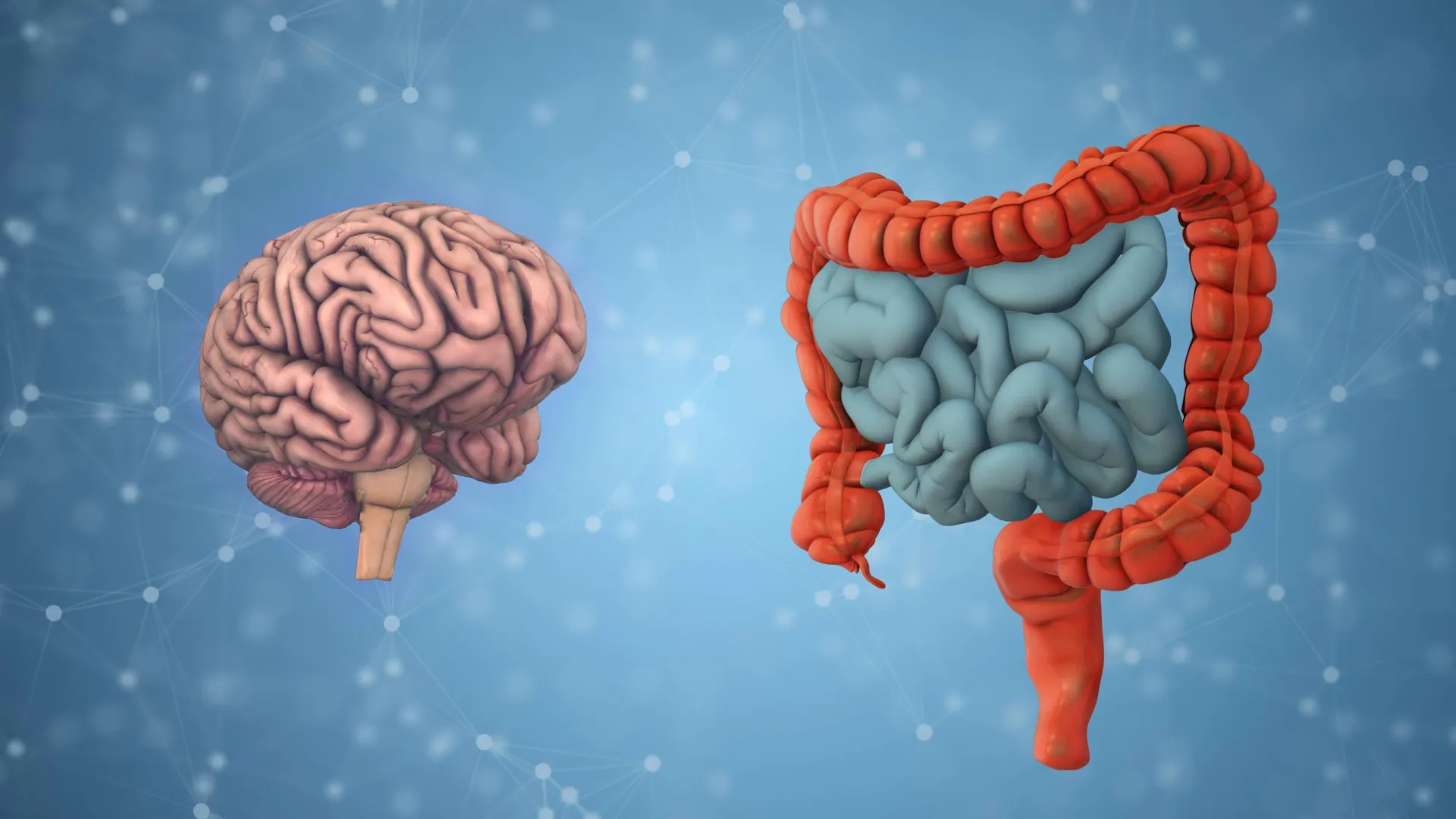
- UH Mānoa researchers published a Scientific Reports study comparing stool and blood from 123 adults with DunedinPACE; microbiome patterns were associated with molecular aging independently of chronological age, and bacterial-community differences accounted for about 15% of aging-rate variation.
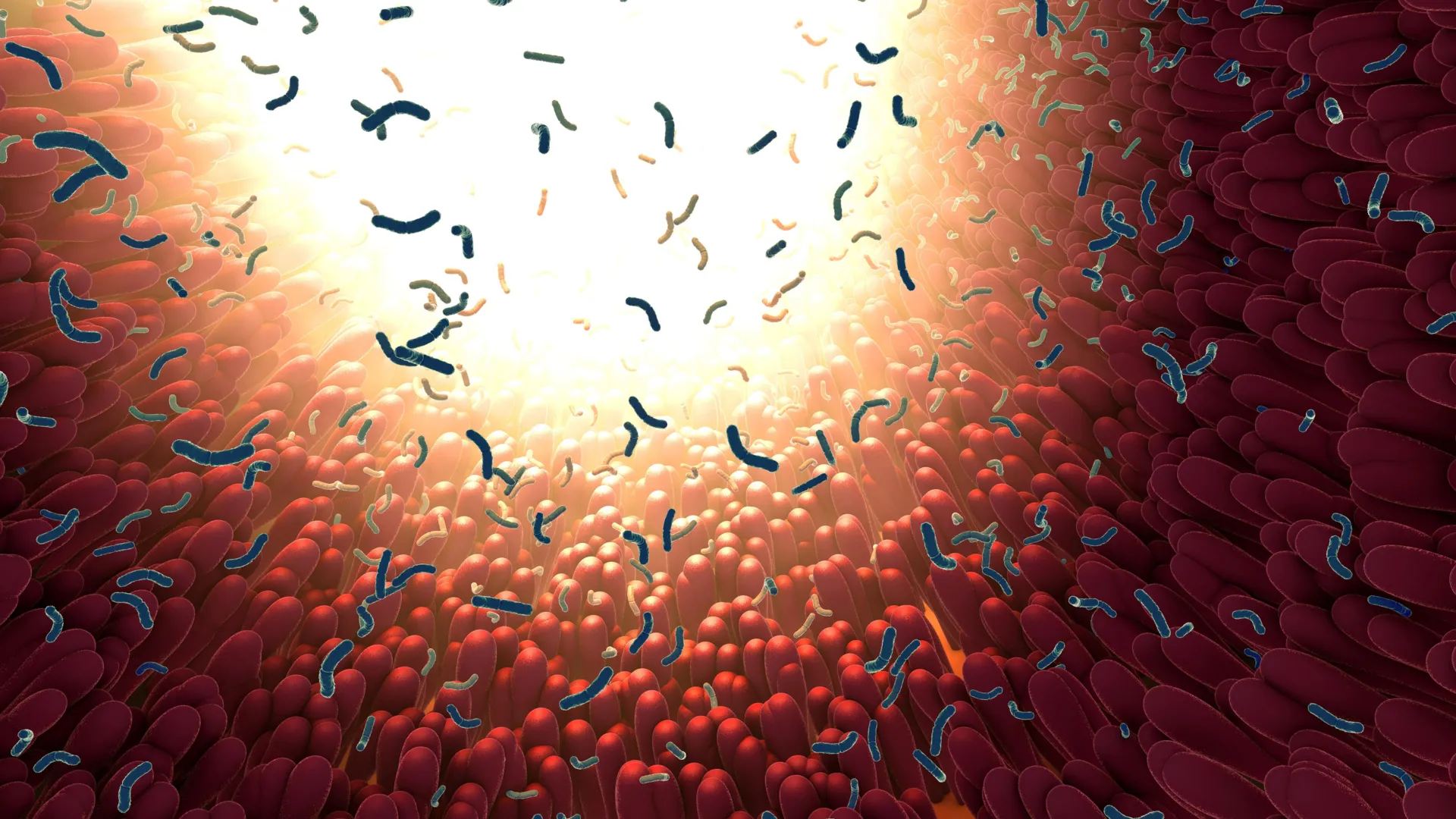
- Bifidobacterium adolescentis was among the bacterial species most strongly associated with slower biological aging.
- Succinivibrio dextrinosolvens showed one of the strongest associations with faster biological aging.
- Alika K. Maunakea said the study establishes an association rather than cause and effect and called the findings an important early step toward understanding the microbiome’s relationship with healthy aging.
- Braden P. Kunihiro said the gut microbiome is highly responsive to diet, lifestyle, environment and other everyday exposures, making it relevant to precision-health research.
- Ruben Juarez said including Native Hawaiian and Pacific Islander participants—historically underrepresented in aging and microbiome studies—could help investigate how social and environmental conditions leave lasting biological effects.
Why it matters: For precision-health researchers, the study links about 15% of biological-aging-rate variation to gut-community differences in 123 adults, yielding specific bacterial associations for follow-up work. For consumers, it does not establish that deliberately changing the microbiome changes aging, so Bifidobacterium adolescentis is not a proven longevity intervention.
Ask SkimNews