US-Iran deal: Pakistan's diplomatic masterstroke? — SkimNews
Get the Geopolitics newsletter
Daily geopolitics — wars, elections, sanctions, the diplomatic moves that move markets. Free.
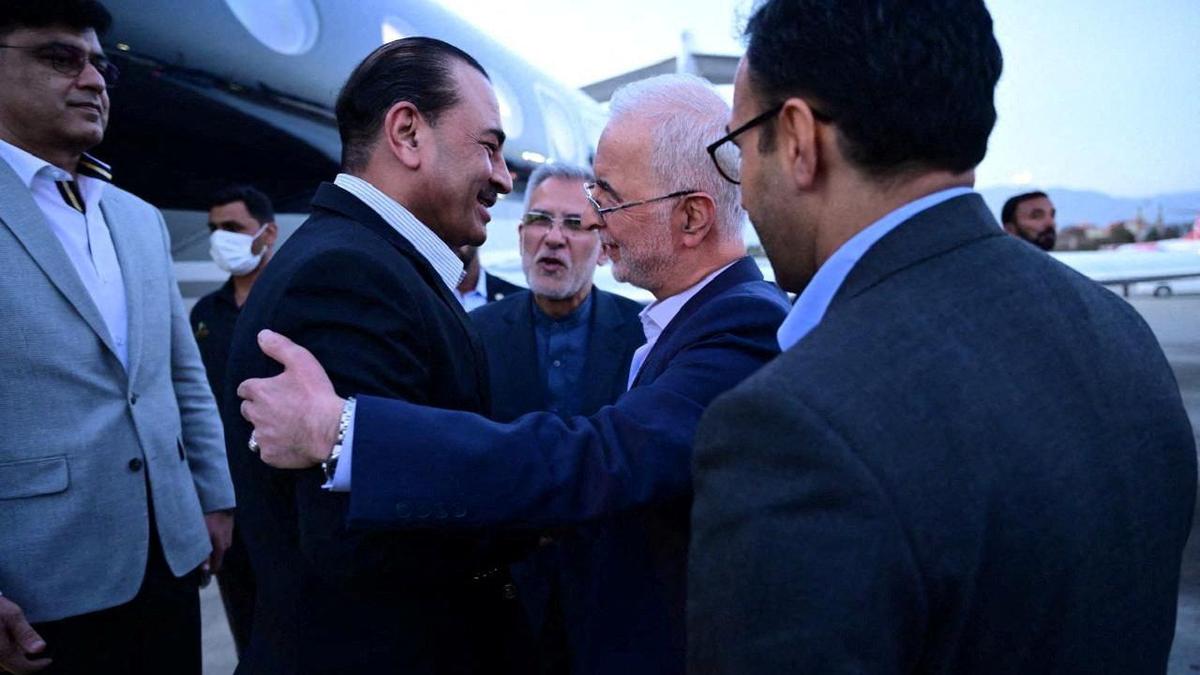
- Pakistan initiated the mediation push when army chief Asim Munir and PM Shehbaz Sharif both visited Iran in May 2025, weeks before the US-Israel conflict that ended with US strikes on Iran's nuclear facilities.
- Asim Munir earned repeated praise from Donald Trump, who called him "my favorite field marshal," and from VP JD Vance, who said "We would not have been here without his statesmanship and military leadership."
- Pakistan hosted VP JD Vance and Iran's Parliamentary Speaker Mohammad Bagher Qalibaf for marathon negotiations on April 11, after announcing the initial US-Iran ceasefire in early April.
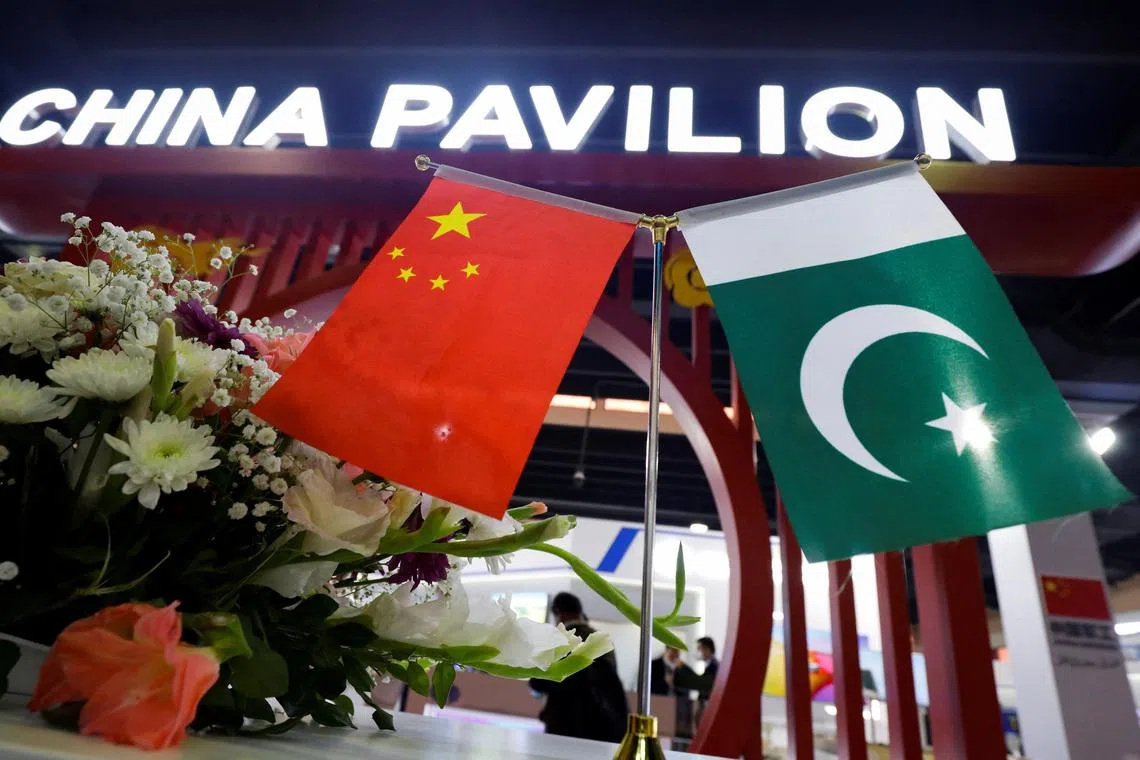
- China formally signed on to the Pakistan-led peace process after FM Ishaq Dar visited Beijing, with Atlantic Council analyst Michael Kugelman noting Beijing's economic leverage over Iran made Iranian buy-in possible.
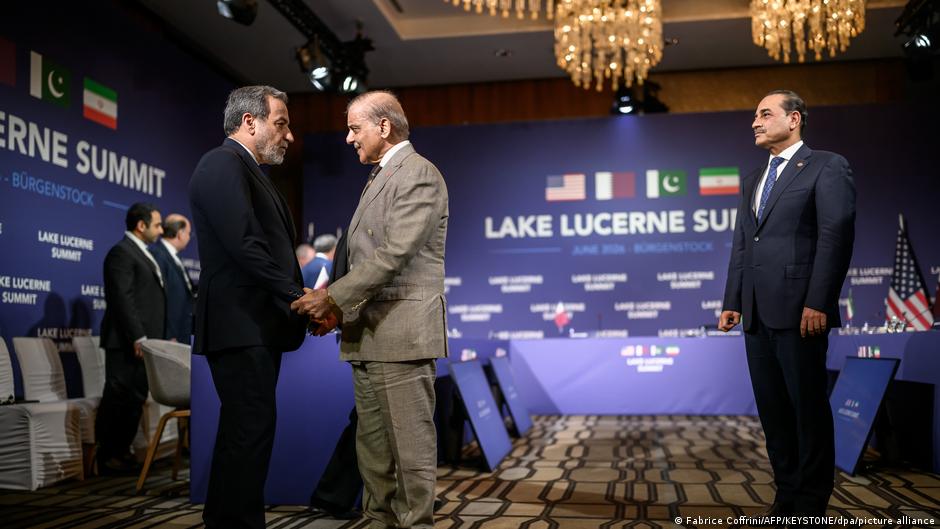
- Qatar positioned itself as a second mediator, with its officials attending the US-Iran talks at the Bürgenstock resort in Switzerland alongside Pakistani diplomats.
- Pakistani officials helped draft compromise proposals and maintained contact with both sides during moments when negotiations nearly collapsed, going beyond simple messenger work, according to a senior diplomatic source in Islamabad.
Why it matters: Pakistan's role demonstrates how a middle power with multi-axis relationships — Tehran, Washington, Beijing, and the Gulf — can broker deals the principals themselves could not, though the deal's durability depends on continued willingness from the US and Iran to negotiate. Pakistan's own border with Iran and dependence on Gulf shipping gave it direct stakes in preventing escalation.
Ask SkimNews