Pakistan brokers US-Iran ceasefire, hosts talks in Islamabad — SkimNews
Get the Geopolitics newsletter
Daily geopolitics — wars, elections, sanctions, the diplomatic moves that move markets. Free.
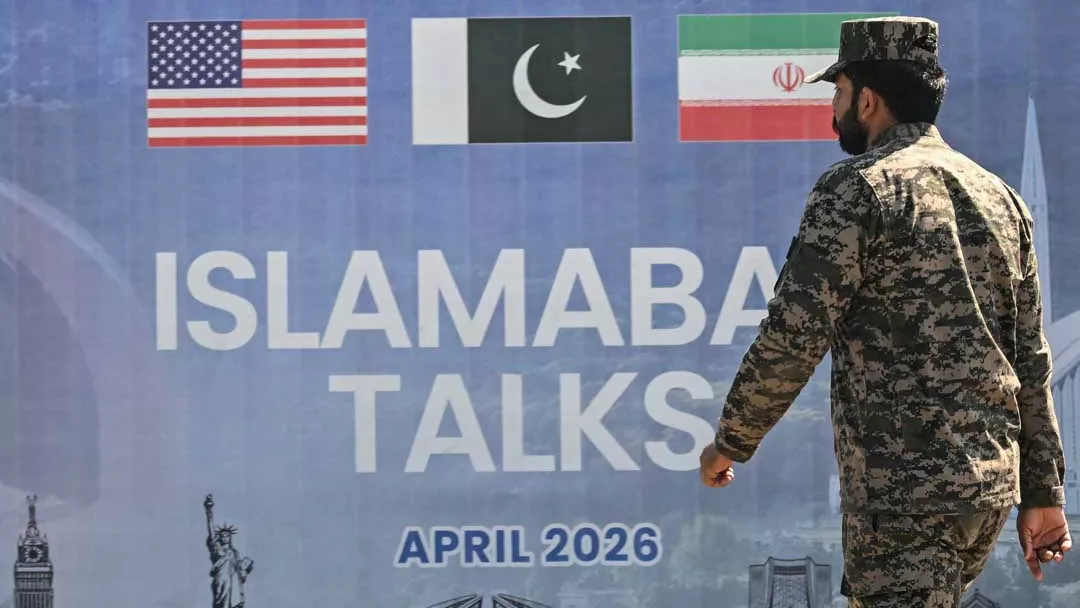
- Pakistan's government helped the US deliver an initial 15-point plan to Iran and announced a 14-day ceasefire via PM Sharif's Twitter, with follow-up talks expected in Islamabad on Saturday
- President Trump issued a final ultimatum to reopen the Strait of Hormuz by Tuesday, warning "the entire country can be taken out," hours before Sharif announced the ceasefire agreement
- Turkey and Egypt worked behind the scenes alongside Pakistan to bring both sides to the negotiating table, though it remains unclear who served as Iran's point of contact
- Field Marshal Asim Munir, Pakistan's army chief, has been repeatedly called "my favorite field marshal" by Trump since helping mediate a Pakistan-India ceasefire last year
- Pakistan's economy faces acute exposure to the conflict: most of its oil and gas comes from the Middle East, fuel prices already rose roughly 20%, and 5 million citizens working in Arab states send home remittances roughly equal to total export earnings
- Domestic protests erupted across Pakistan after US strikes on Iran, with at least 22 killed in Karachi clashes and another 12 killed when a mob tried to storm the US Consulate on March 1
- Pakistan's mediation track record includes facilitating Nixon's 1972 visit to China, the 1988 Geneva Accords on Soviet withdrawal from Afghanistan, and the 2020 US-Taliban Doha agreement
Why it matters: Pakistan is not a neutral broker here — it has direct, quantifiable self-interest: most of its oil and gas imports flow through the Middle East, the 5 million Pakistanis working in the Gulf send home remittances roughly matching total export earnings, and fuel prices have already jumped about 20% under Sharif's government. The 34 protest deaths since US strikes on Iran show the cost of escalation is being paid in Pakistani streets, giving Islamabad a material reason to push a deal harder than past mediators like Oman or Qatar.
Ask SkimNews