Pakistan Mediates US-Iran Peace Deal, Eyes Rewards — SkimNews

Get the Geopolitics newsletter
Daily geopolitics — wars, elections, sanctions, the diplomatic moves that move markets. Free.
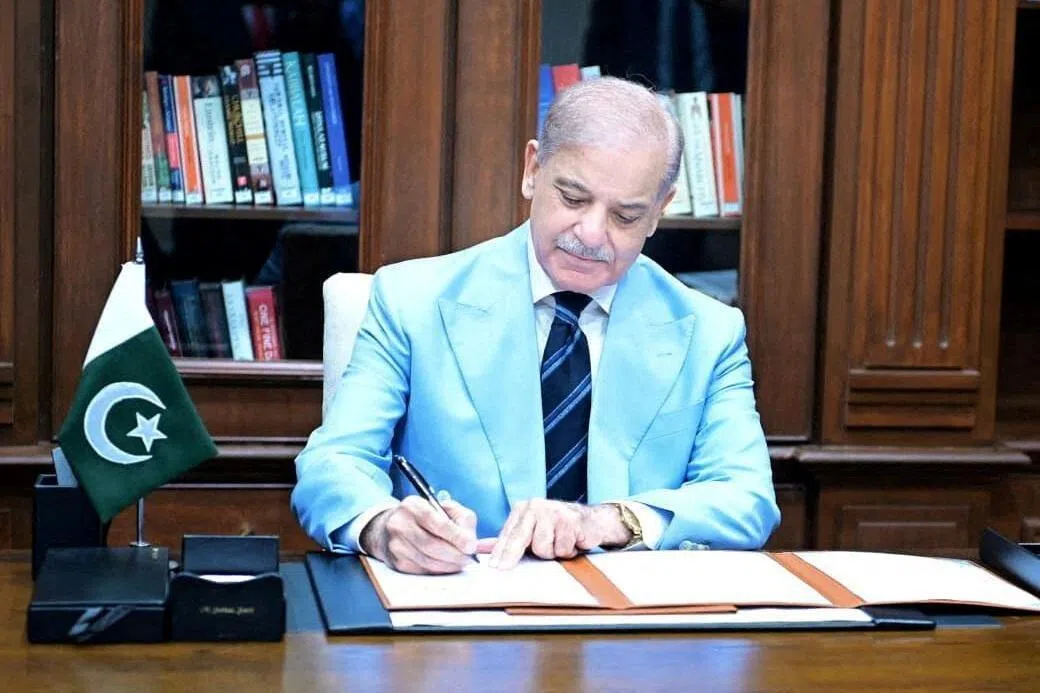
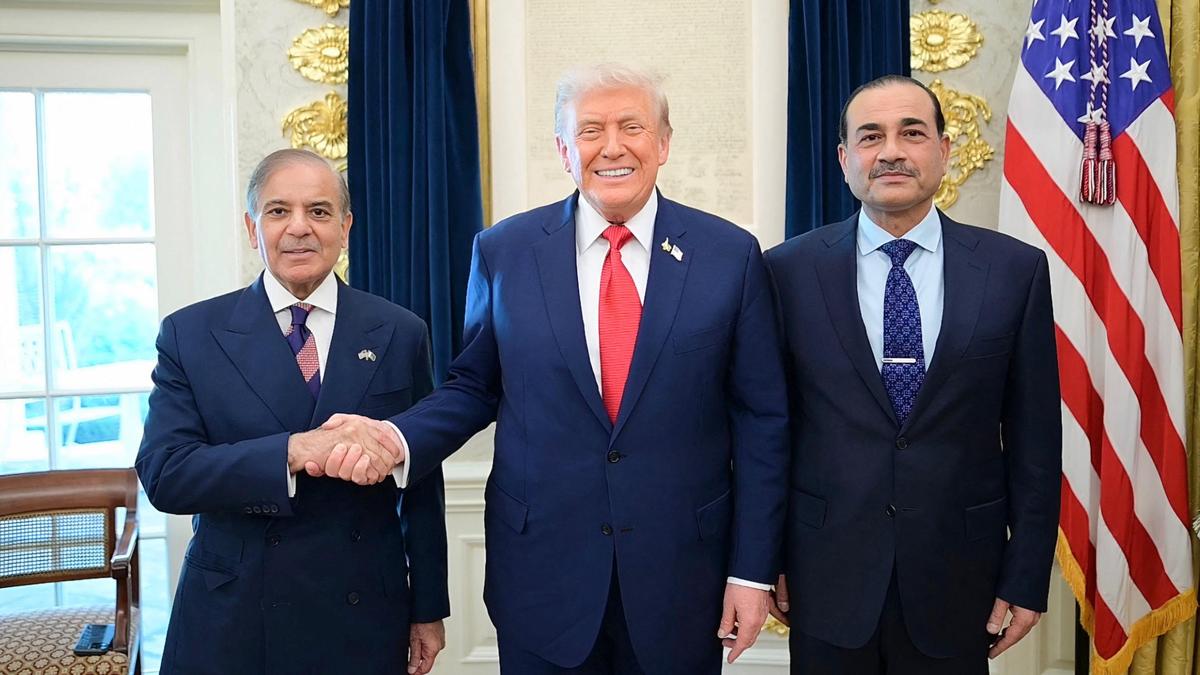
- PM Shehbaz Sharif joined Trump and Iran's Pezeshkian in digitally signing the "Islamabad Memorandum of Understanding" on June 17 to permanently end the US-Iran war, endorsing the accord as "mediator" alongside Qatar, Saudi Arabia, and Turkiye.
- Israel's accusation that Hezbollah killed four Israeli soldiers triggered airstrikes on southern Lebanon killing at least 18 people, leading to the abrupt cancellation of implementation talks scheduled for Friday in Switzerland.
- The MoU opens a 60-day window to negotiate a permanent agreement on Iran's nuclear program and restore oil traffic through the Strait of Hormuz, with US and regional partners committing to a $300 billion reconstruction fund for Iran.
- The deal removes ballistic missiles from central discussions, allows Iran to downblend enriched uranium domestically under IAEA supervision, permits free oil sales, lifts sanctions, and ends the war on all fronts including Lebanon.
- Pakistanis expect the long-delayed Iran-Pakistan gas pipeline to finally be completed for energy relief, alongside hopes of discounted Gulf oil and new investments as Islamabad capitalizes on its enhanced global stature.
- Atlantic analyst Jonathan Lemire wrote that "President Trump lost" and the US "went to war triumphant and will likely leave greatly weakened," with none of Trump's stated war objectives — including Iran's "unconditional surrender" — accomplished.
- VP JD Vance, who is leading negotiations for the Trump administration, will no longer travel to Switzerland, per the White House, which called the negotiations' logistics "never simple or predictable."
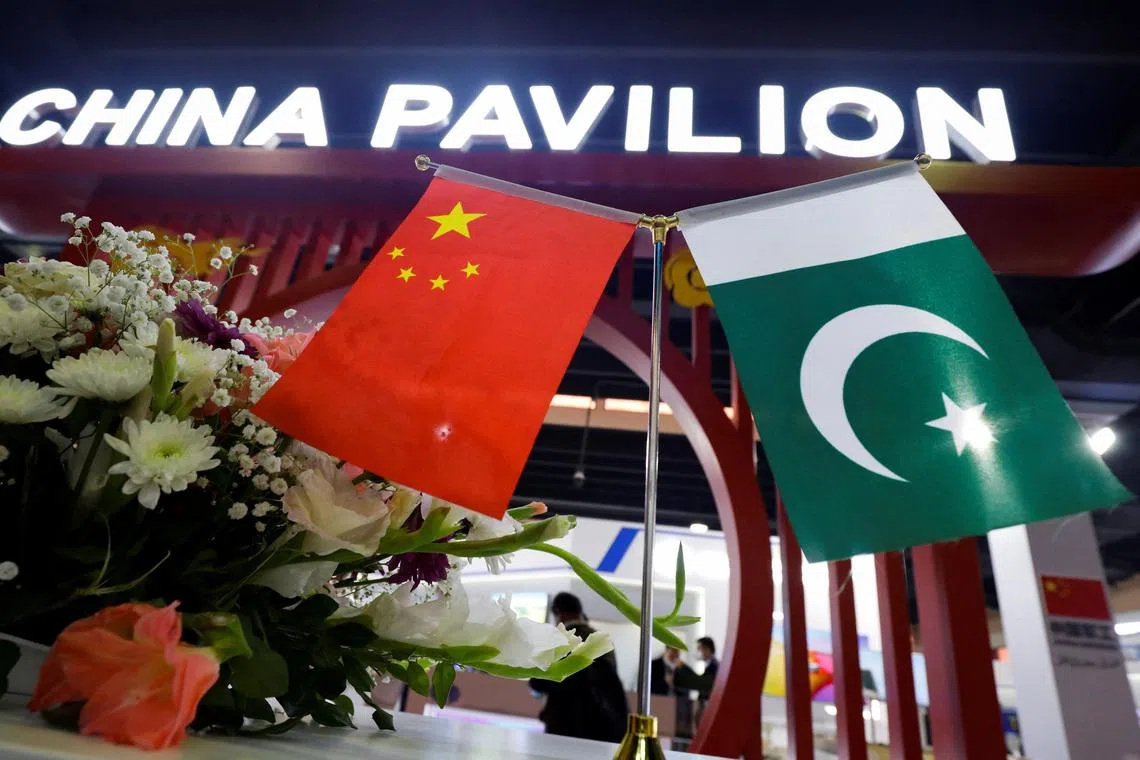
Why it matters: Sharif has elevated Islamabad from a South Asian crisis actor to a recognized West Asian mediator alongside Qatar, Saudi Arabia, and Turkiye. The deal — $300 billion in Iran reconstruction funds, sanctions lifted, nuclear downblending on Iranian soil — far exceeds what Washington accepted weeks ago, meaning Pakistan's diplomatic windfall hinges on converting clout into tangible energy and trade access.
Ask SkimNews