Why India wants German submarines – and what Pakistan and China have to do with it — SkimNews

Get the Geopolitics newsletter
Daily geopolitics — wars, elections, sanctions, the diplomatic moves that move markets. Free.
- India is moving to sign an ~$8 billion (€7 billion) deal this summer for German-designed Type 214 submarines from ThyssenKrupp Marine Systems, to be built domestically in Mumbai by Indian engineers trained by German specialists.
- Type 214 submarines are diesel-electric with air-independent propulsion (AIP) using hydrogen-oxygen fuel cells, letting them stay submerged for weeks — in a 2005 US-led exercise, a small Swedish AIP submarine slipped past heavy defenses and scored simulated hits on a US aircraft carrier twice.
- India's current submarine fleet is mostly Soviet-era and aging, even as more than 90% of India's trade by volume moves by sea across 11,000+ km of coastline punctuated by strategic chokepoints.
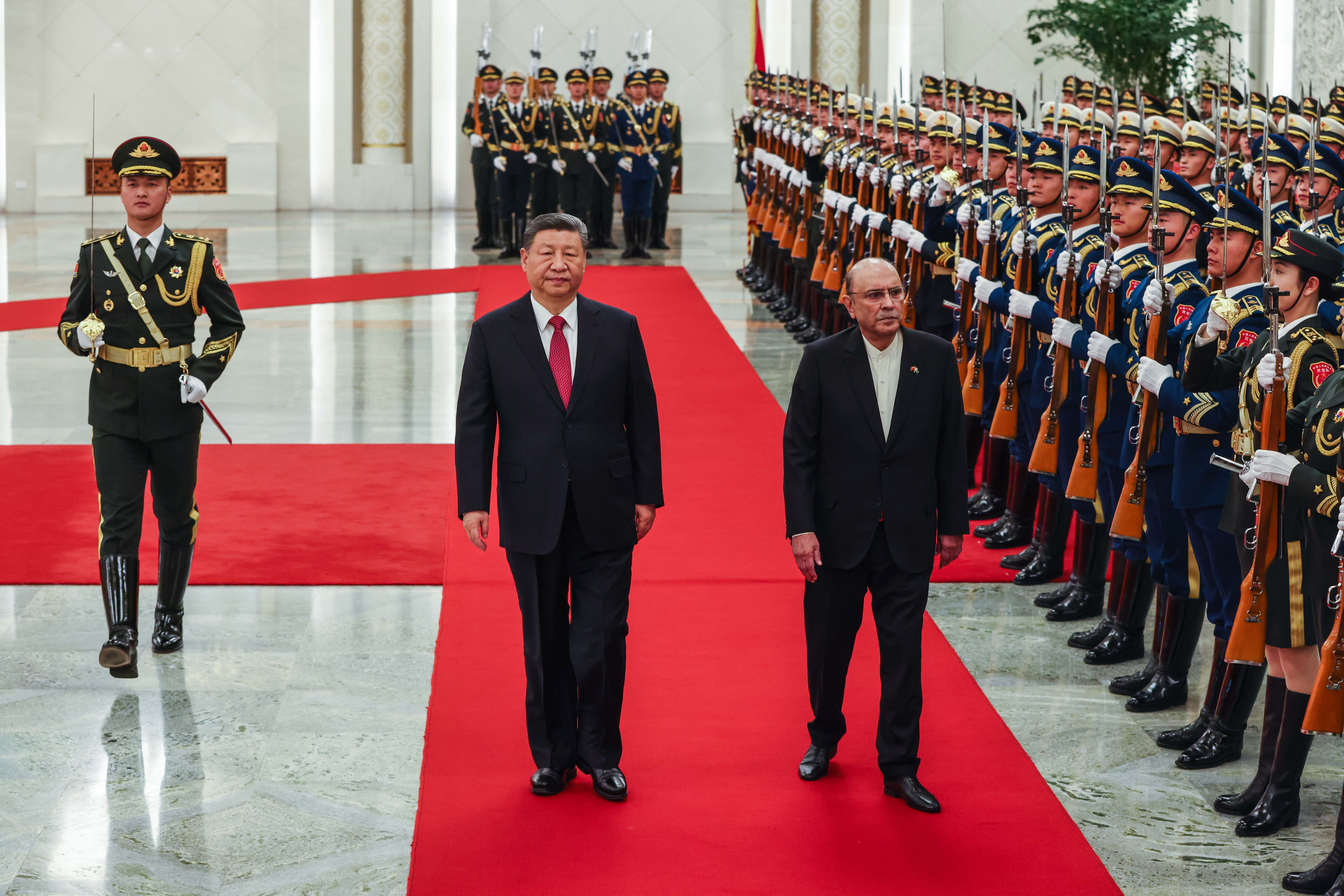
- China now operates the world's largest navy at around 400 ships and has been expanding its presence in the Indian Ocean; Pakistan in 2015 signed a roughly $5 billion deal for eight Chinese AIP Hangor-class submarines, and roughly 80% of Pakistan's weapons come from China.
- India and Pakistan fought a four-day conflict in May 2025, and India and China have clashed on their disputed Himalayan border — sharpening New Delhi's sense of urgency.
- India is hedging, not replacing Russia: it signed a $238.5 million contract in March 2026 for Russian Shtil-1 air defense missiles, and analysts cited in the piece say Russian systems remain attractive because they are cheaper and come with fewer technology-transfer conditions.
- Technology transfer is central to the German deal but its limits remain unclear — Germany will likely protect its most sensitive components and intellectual property, while India wants maximum domestic production.
Why it matters: The Type 214s give India some of the stealth and endurance characteristics of a nuclear submarine at conventional prices, directly responding to a Chinese fleet of ~400 ships and a Pakistani navy now equipped with Chinese AIP boats. Germany gains commercial revenue and a strategic foothold in the Indo-Pacific at a time when Berlin is looking to draw New Delhi away from Russian suppliers — though India's March 2026 Russian missile purchase shows it is diversifying, not switching.
Ask SkimNews