South Korea Joins Hypersonic Weapons Race as China Leads — SkimNews
Get the Geopolitics newsletter
Daily geopolitics — wars, elections, sanctions, the diplomatic moves that move markets. Free.
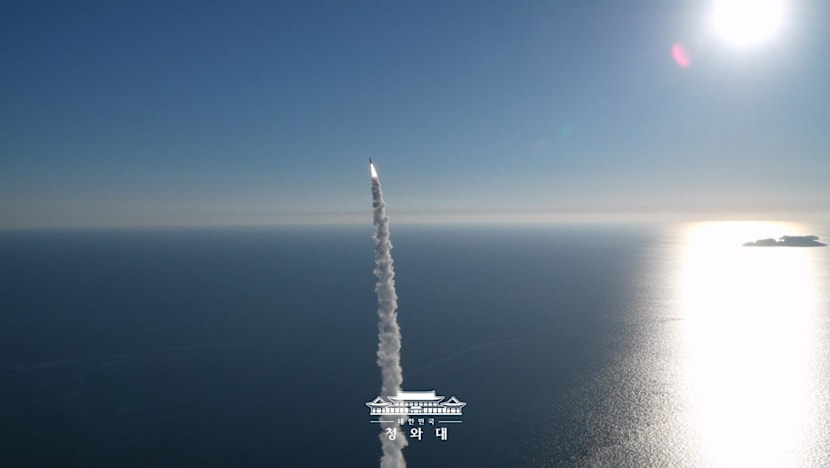
- South Korea test-fired its first domestically developed hypersonic weapon on Oct 8, days after North Korea claimed to launch an intermediate-range hypersonic missile — moves that have reignited attention to the technology's regional security implications.
- Hypersonic weapons travel at Mach 5+ and come in two main types — boost-glide vehicles and scramjet-powered cruise missiles; their combination of low-altitude flight, which delays radar detection due to Earth's curvature, and mid-flight maneuverability defeats both mid-course and terminal-phase missile defenses.
- China leads the field with the deployed DF-17 system (in service since around 2020) and showcased YJ-17, YJ-19, and YJ-20 anti-ship hypersonic missiles at a September 2024 parade, according to IISS analyst Lami Kim.
- Russia has deployed the Avangard glide vehicle (2019) and Zircon cruise missile (aboard a warship in 2023), and has used Kinzhal and Oreshnik ballistic missiles in Ukraine, though experts question whether those qualify as true modern hypersonic systems.
- The United States deployed its Long-Range Hypersonic Weapon (Dark Eagle) for Exercise Valiant Shield in June, but the Army had not yet completed equipping its first unit when assessed earlier in 2025, according to the Government Accountability Office.
- Japan deployed an initial version of its Hyper Velocity Gliding Projectile in March; India successfully tested a long-range hypersonic missile in November 2024; Iran's Revolutionary Guard claimed to have fired Fattah 1 missiles at Israel in June 2025, though analysts questioned their capabilities.
- IISS analyst Lami Kim warned that China's hypersonic glide vehicles could undermine the credibility of US extended deterrence in the Indo-Pacific by complicating Washington's military planning and raising the costs of intervention.
Why it matters: South Korea's new weapon is not yet operational and, per Carnegie analyst Ankit Panda, amounts to 'overkill against North Korea,' which lacks sophisticated air and missile defenses. The real stakes are bigger: China already fields the DF-17, and IISS warns that such capabilities across the region could 'inadvertently undermine deterrence and mutual vulnerability' by eroding confidence in US extended deterrence.
Ask SkimNews