Albanian Students Lead Fifth Day of Tirana Protests Against PM Rama — SkimNews

Get the Geopolitics newsletter
Daily geopolitics — wars, elections, sanctions, the diplomatic moves that move markets. Free.
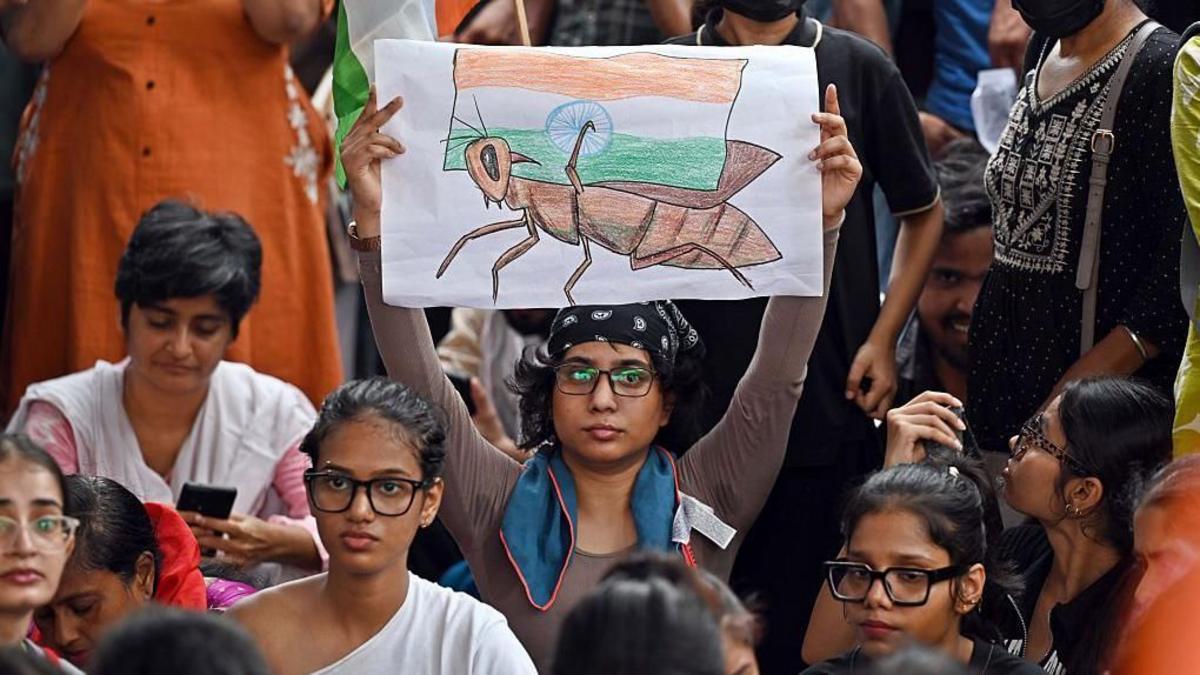
- Protesters and riot police fought pitched battles in central Tirana on Saturday for the fifth consecutive day, with masked students hurling rocks and petrol bombs while police responded with water cannon, tear gas volleys, and rubber bullets used for the first time.
- Student demonstrators drove the movement's escalation, with 19-year-old George telling the BBC "We were peaceful for 135 days. Now we are trying to do like in France… we are trying to make a revolution," while 17-year-old Klea said "All the students are boycotting their university classes and left school to fight for our rights."
- PM Edi Rama faces a parallel threat from the special prosecution service, which recently arrested secret service chief Vlora Hyseni on charges she helped businessman Ergys Agasi — described by Albanian media as an intermediary between Rama and organized crime — evade justice.
- Rama's 13-year grip on power is under strain despite his Socialist Party holding 83 of 140 parliamentary seats, with political analyst Lutfi Dervishi declaring Rama is "caught between a rock and a hard place" and "the victim of his own success."
- The EU dimension complicates Rama's position: he has long been Brussels' favored partner and has promised Albanian EU membership by 2030, yet he blamed the protests on "foreign actors" seeking to halt Albania's accession progress without naming them.
- The scale of unrest has produced 80 disorder charges and hundreds of arrests or active investigations, with central Tirana left "scattered with broken glass and burnt debris" resembling a war zone.
Why it matters: Rama enjoys a supermajority (83 of 140 seats) and faces no election until 2029, but simultaneous street pressure from students and active criminal investigations into his allies have created a credibility crisis for a leader the EU has long treated as its model Western Balkan partner — a paradox that could complicate Albania's promised 2030 EU membership bid regardless of who stays in power.
Ask SkimNews