It’s official: Data centers are slowing America’s shift away from coal
Get the Energy newsletter
Daily energy & climate — solar, EVs, oil, the policy fights and tech bets shaping the transition. Free.
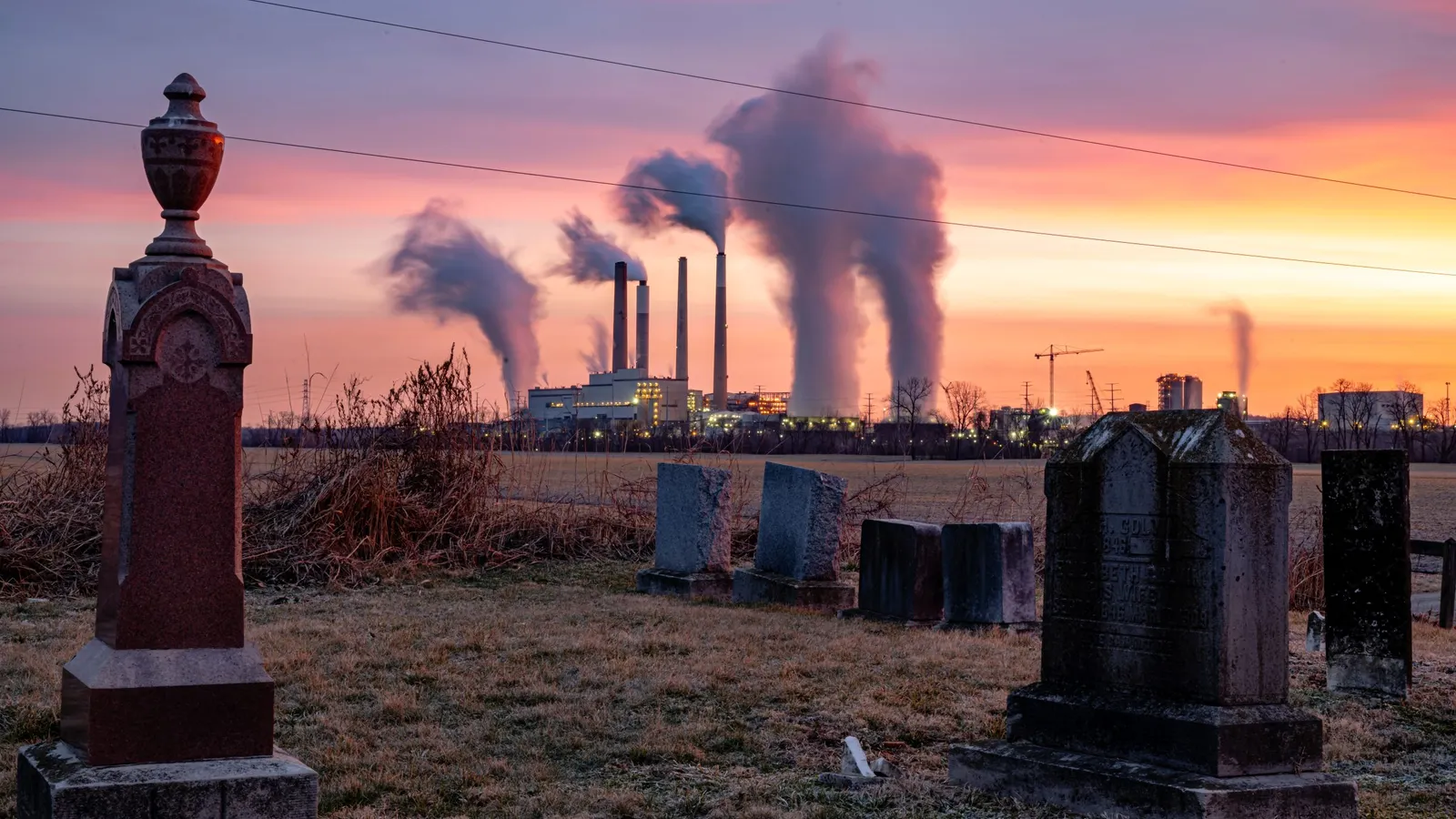
- The Energy Information Administration reported that US power-sector carbon emissions rose 4% in 2025, exceeding the 2% economy-wide increase, driven by a 13% jump in coal generation linked to data-center growth.
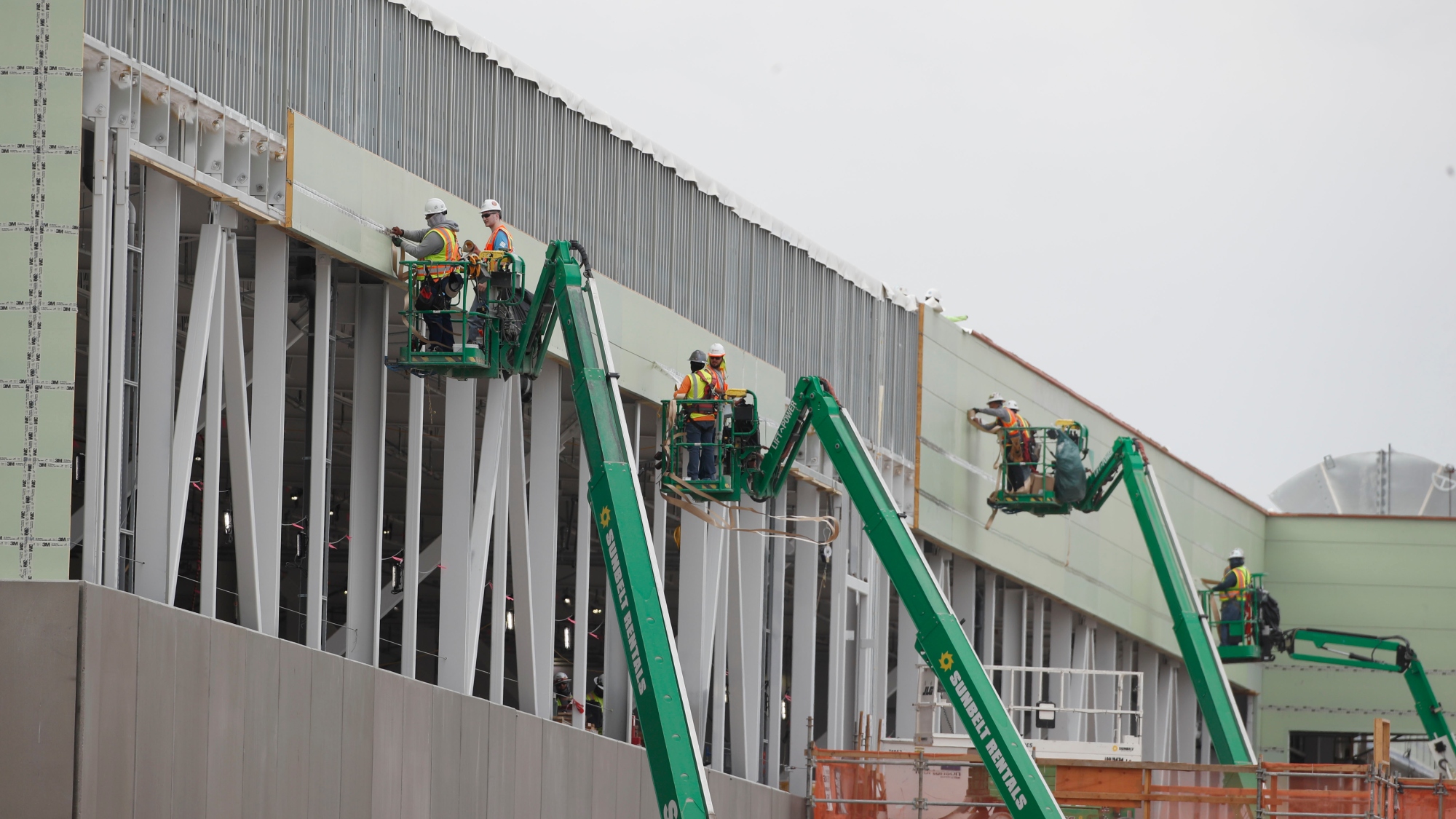
- Data centers could account for more than 10% of US electricity usage by 2030 and run around the clock, extending the life of aging coal plants that utilities had planned to retire.
- Virginia, home to the world's largest AI cluster, nearly doubled its coal-fired generation in 2025; nearly every state outside the Western US increased coal output year-over-year.
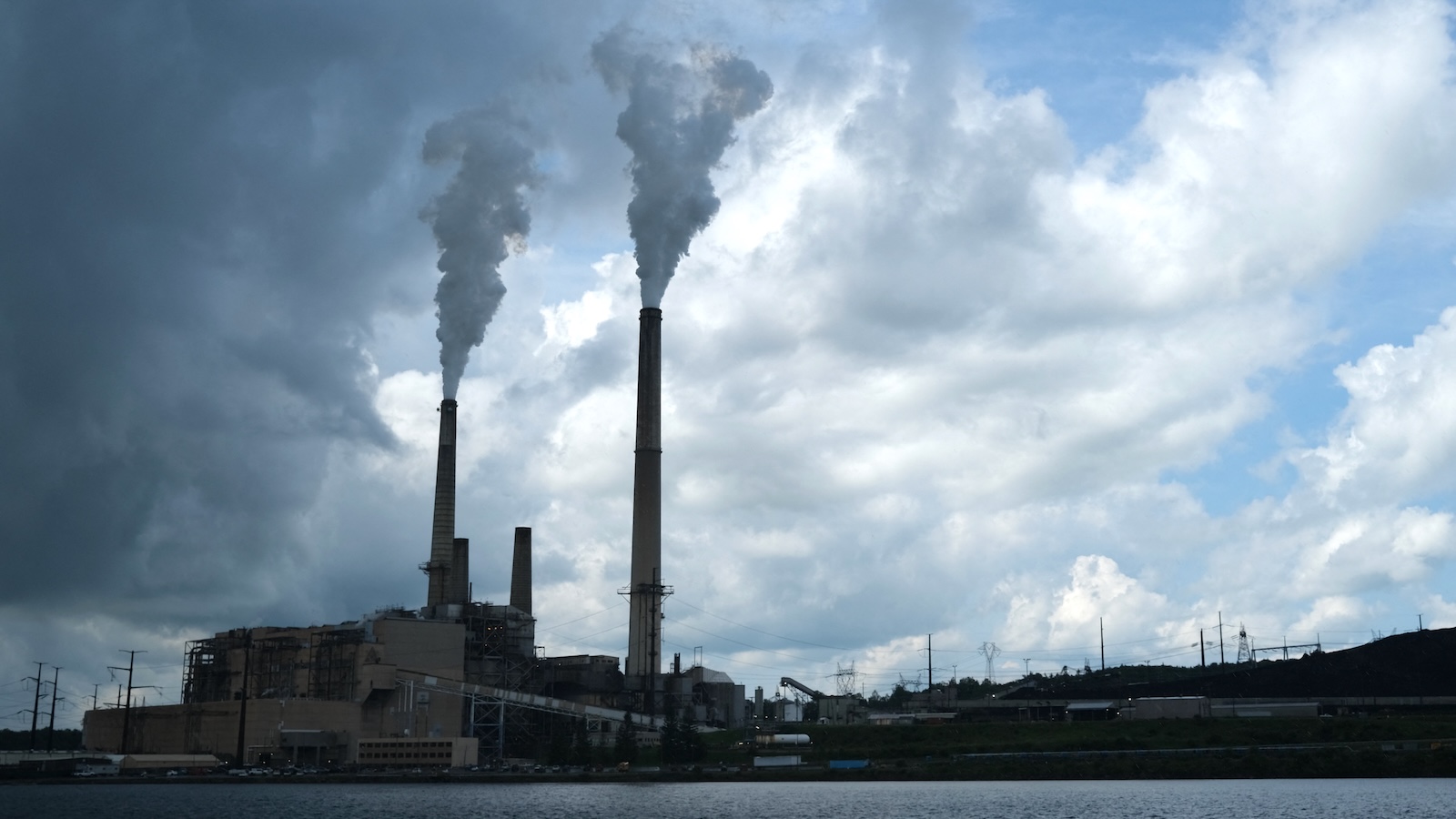
- Energy Secretary Chris Wright issued emergency orders blocking retirement of at least half a dozen coal plants, yet the J.H. Campbell plant in Michigan has generated less electricity in each of the last three quarters than in the equivalent quarter a year earlier.
- Coal's competitiveness improved because rising natural-gas exports lifted domestic gas prices above coal, helping fossil generation rebound even as solar and wind output also surged.
- Steve Piper of S&P Global Energy told the outlet that coal may have a "floor" in forecasts, with structural decline slowing but not reversing as data-center demand keeps aging plants online.
Why it matters: The power sector accounts for roughly 25% of US emissions and had been the clearest decarbonization success story, with emissions down about one-third from their 2005 peak. With AI data centers locking in round-the-clock demand that coal is uniquely positioned to serve right now, the US is losing its cheapest path to meeting national climate targets—and utilities, grid planners, and climate policymakers are now navigating a grid where coal refuses to shrink on schedule.