Northwestern: Earlier Dinner Cut Nighttime BP 3.5% — SkimNews

Get the Health newsletter
Daily health & science — research, biotech, public health, the studies worth knowing. Free.
- Northwestern Medicine researchers reported in the American Heart Association journal Arteriosclerosis, Thrombosis, and Vascular Biology (published Feb. 12, 2026) that aligning overnight fasting with the sleep window improved cardiometabolic markers in a 7.5-week trial of 39 overweight or obese adults aged 36–75.
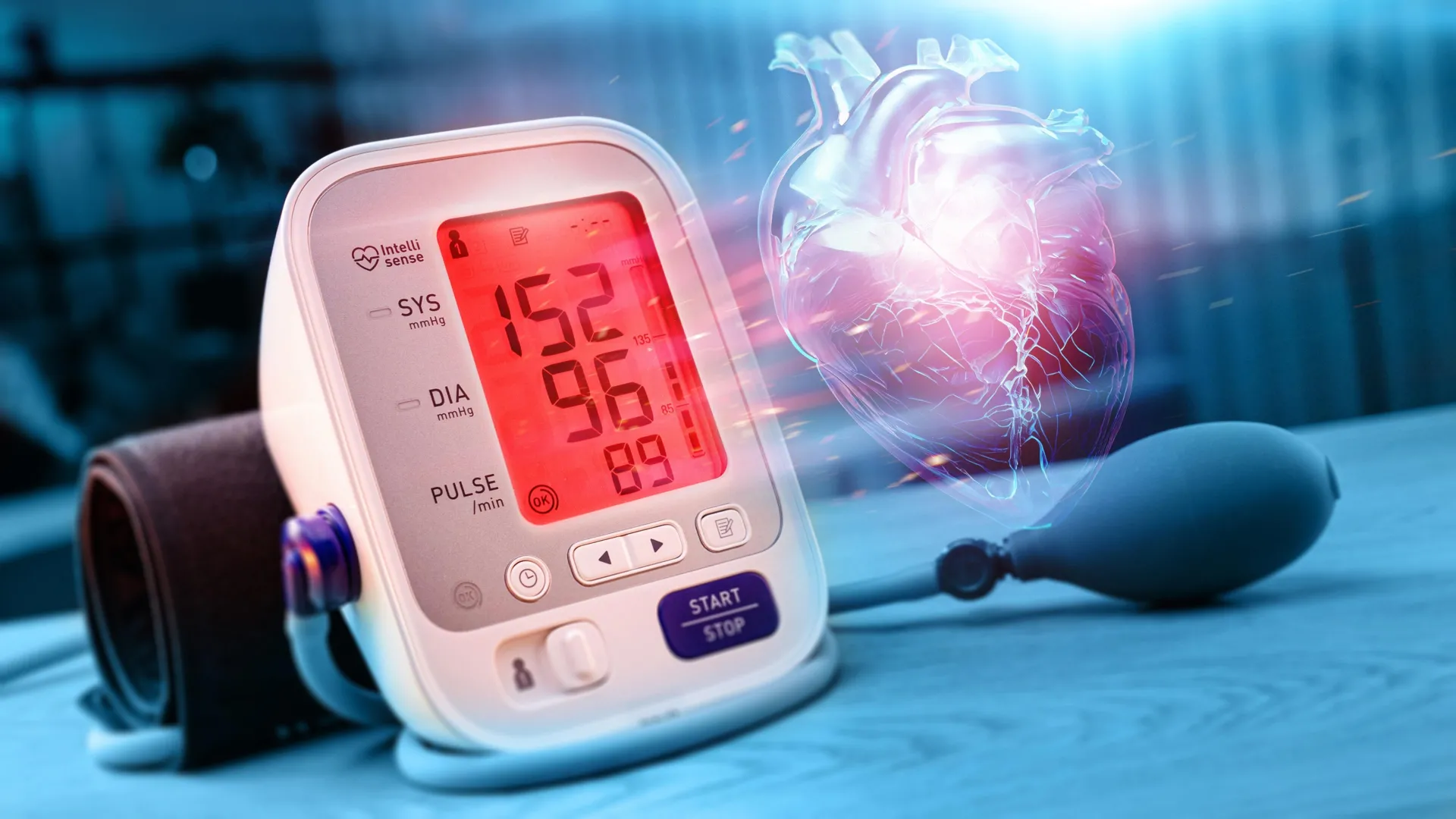
- Nighttime blood pressure dropped 3.5% and heart rate fell 5% in the intervention group, restoring a healthier day-night cardiovascular rhythm where readings rise during daytime activity and fall at night.
- Daytime blood sugar control improved — participants' pancreases released insulin more effectively in response to glucose, with no calorie reduction involved.
- First author Dr. Daniela Grimaldi said timing the fasting window to match natural wake-sleep rhythms improves coordination between the heart, metabolism, and sleep, all of which work together to protect cardiovascular health.
- Corresponding author Dr. Phyllis Zee emphasized that 'when you eat relative to sleep' matters as much as what and how much you eat for the physiological benefits of time-restricted eating.
- The intervention group fasted 13–16 hours overnight (vs. 11–13 hours for controls) and adhered to the protocol at nearly 90%, with 80% women in the fasting arm.
- The study was funded by the NIH — specifically the National Heart, Lung, and Blood Institute, the National Institute on Aging, and NCATS — and the team plans multi-center follow-up trials.
Why it matters: Only 6.8% of U.S. adults had optimal cardiometabolic health in 2017–2018, and this trial offers a free, non-pharmacological lever — closing the kitchen three hours before bed and dimming lights in that same window — that nearly 9 in 10 participants sustained, making it a realistic intervention for the middle-aged and older adults most exposed to heart and metabolic risk.
Ask SkimNews