Windrose Teams With LiFe-Younger on Mobile AI Center — SkimNews
Get the Energy newsletter
Daily energy & climate — solar, EVs, oil, the policy fights and tech bets shaping the transition. Free.
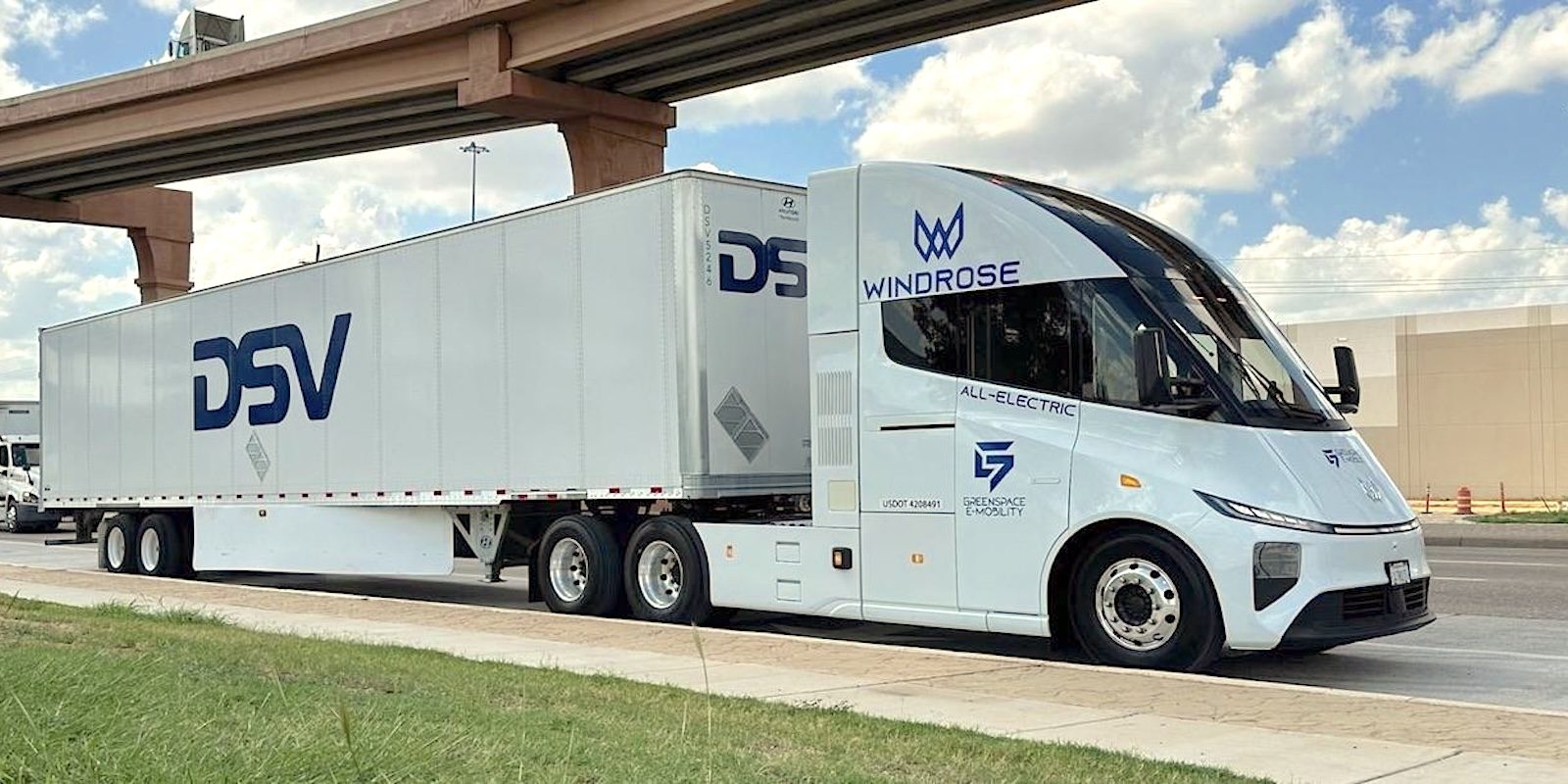
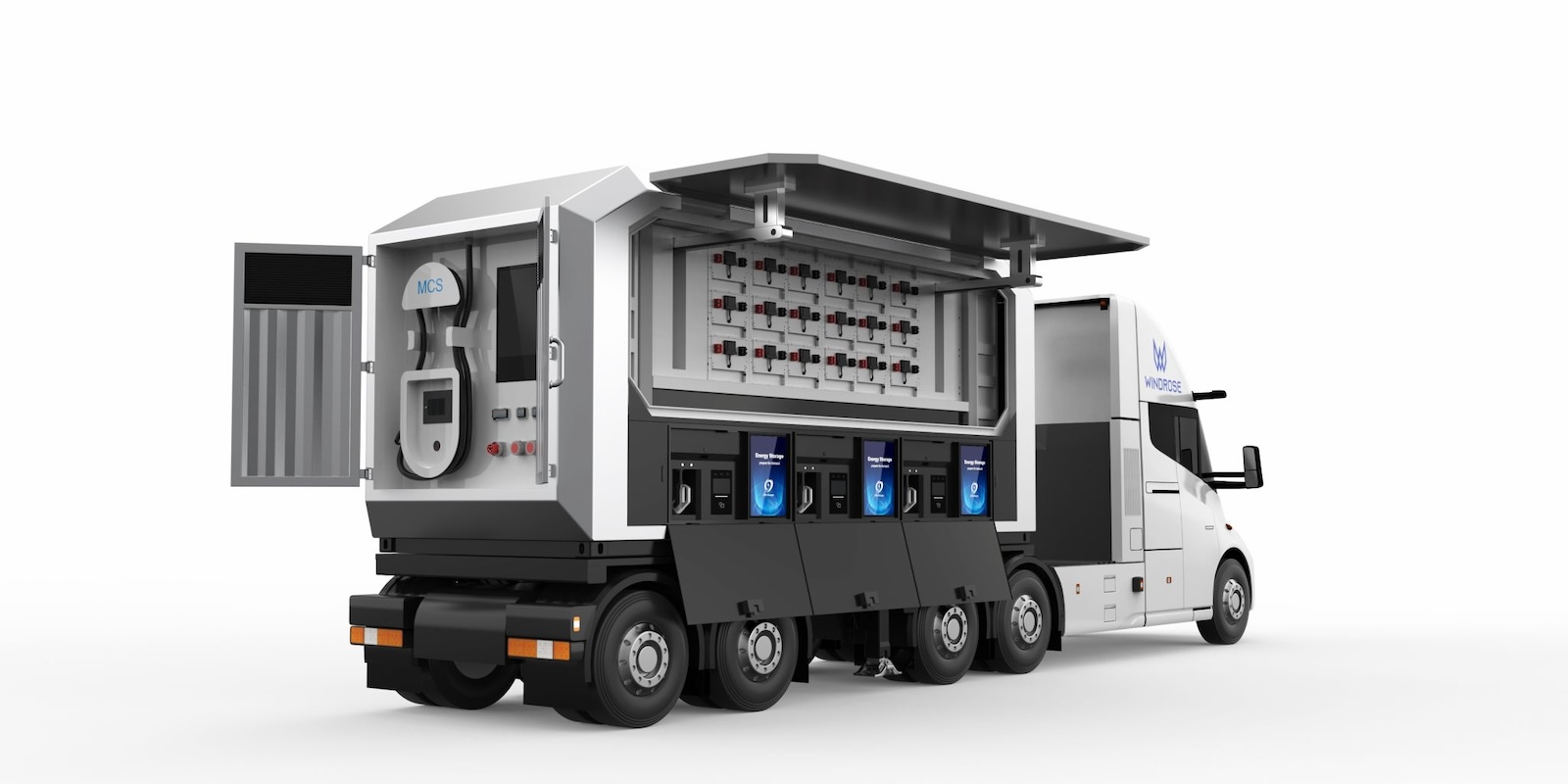
- Windrose founder Wen Han signed a strategic partnership with LiFe-Younger to turn his mobile AI data center and BESS-in-a-trailer concept into a real product, pairing LiFe-Younger's iMContainer HD trailer with Windrose's R700 electric semi truck.
- Wen Han's LinkedIn post claims the container-sized unit holds 2 MWh of battery storage and delivers up to 2 MW of charging speed, while LiFe-Younger's own website lists more conservative figures of up to 1 MWh of storage and 500 kW of charging.
- The partnership is described in the coverage as "more forward-looking than announcing a current product," meaning no working unit has been built or shipped yet.
- Windrose first published renderings of the concept in February 2026, depicting two standard shipping containers pulled by an R700 — one packed with batteries, the other with server racks and cooling equipment.
- Those original illustrations were rendered with Google Gemini, which stamps a star watermark on AI-generated images; the coverage notes the 4x2 truck configuration shown differs from the 6x2 R700s seen in real life.
- Top commenter Steve Peterson pushed back on the concept's practicality, arguing AI chips require liquid cooling (demanding on-site water), and portable batteries still need eventual grid or nuclear power to sustain data center loads.
- Volvo Penta and Range have also pursued containerized BESS solutions — Volvo showed one at Bauma last year designed to power off-highway equipment and offices away from grid power.
Why it matters: This is a concept-stage deal with no working product, but the spec gap — 2 MWh and 2 MW on the CEO's LinkedIn versus 1 MWh and 500 kW on the partner's own site — signals the partnership is still in the renderings phase, not the engineering phase. The broader signal is that EV truck makers are chasing the AI infrastructure boom by repackaging batteries and computing into mobile, containerized units aimed at sites where grid power is scarce.
Ask SkimNews