Whittaker: AI's Real Risk Is Careless Use, Not Doom — SkimNews

Get the Tech newsletter
Daily tech — startups, AI labs, chips, the launches that shape the next decade. Free.
- Meredith Whittaker, president of the Signal Foundation, told the BBC that warnings of AI turning on humanity are fears 'not anchored in science,' and that the real threat is careless deployment
- Whittaker cited a CNN-reported case in which a US intelligence chatbot invented information about a Chinese vessel supposedly carrying nuclear material, saying 'we almost went to war with China'
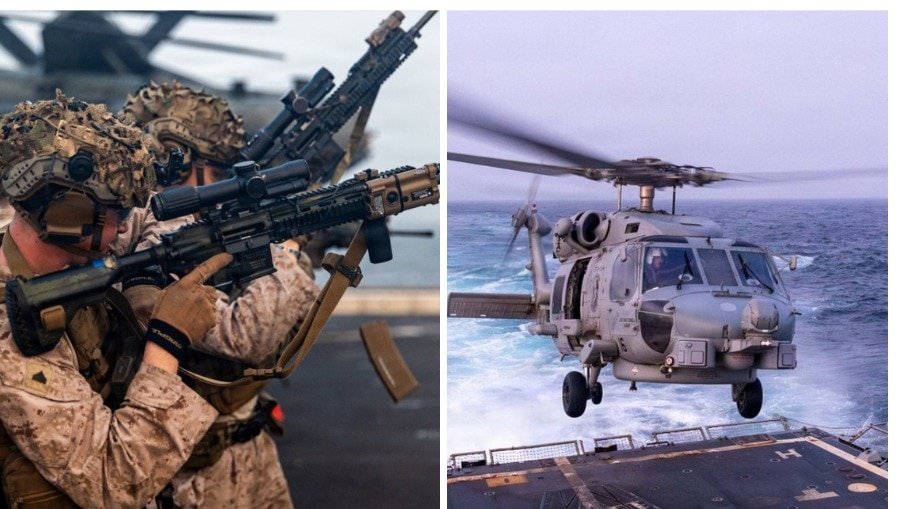
- Whittaker drew a direct line from Google's 2017 Project Maven drone-targeting contract — which she helped force Google to drop via a walkout by roughly 20,000 staff — to this year's US missile strike on a school in Minab, Iran
- Palantir, which took over the Maven contract, told the BBC there is 'no evidence that Palantir's software was at fault in this terrible tragedy,' and said 'there's always a human in the loop'
- Signal, with an estimated 40-70 million users, is fully or partially blocked in Russia, China and Iran, and Whittaker said the app would leave any market, including the UK, that forced it to weaken encryption
- Then-Prime Minister Keir Starmer told London Tech Week 2026 that tech companies would be expected to detect and block nude images on children's devices or face legislation, which Whittaker called 'an unprecedented regime of communication and information controls'
Why it matters: Whittaker is putting Signal's market position on the line over encryption backdoors — the same battleground that pits safety advocates against her warnings of state surveillance. The Maven-to-Minab causal claim she draws in the interview creates a direct accountability narrative for defense AI that Palantir publicly rejects, raising the stakes for ongoing US military investigations into the strike.
Ask SkimNews