Iran Courts US Diplomacy, China Presses Hormuz Reopen — SkimNews

Get the Geopolitics newsletter
Daily geopolitics — wars, elections, sanctions, the diplomatic moves that move markets. Free.
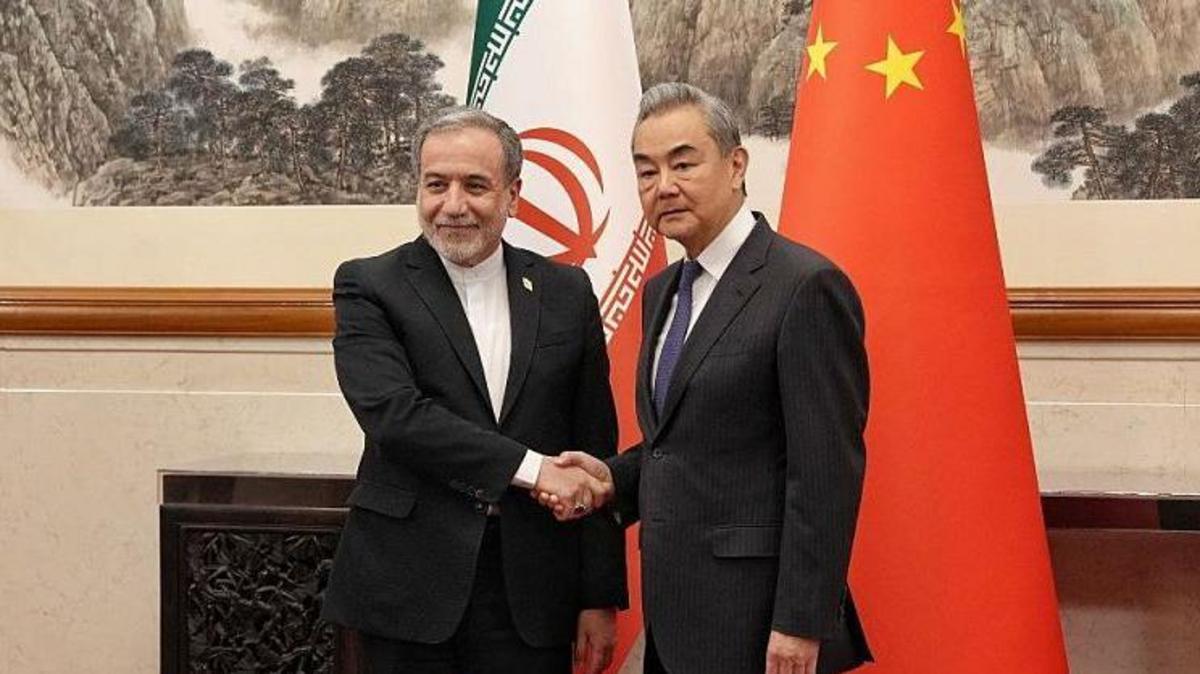
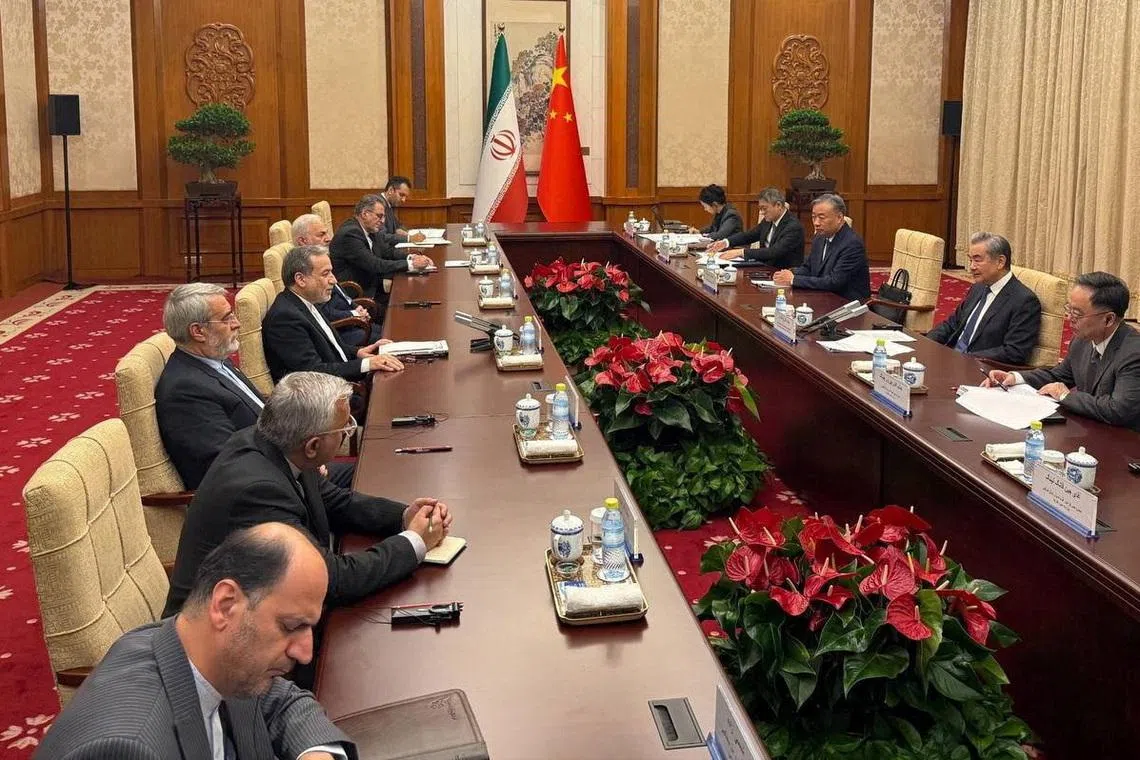
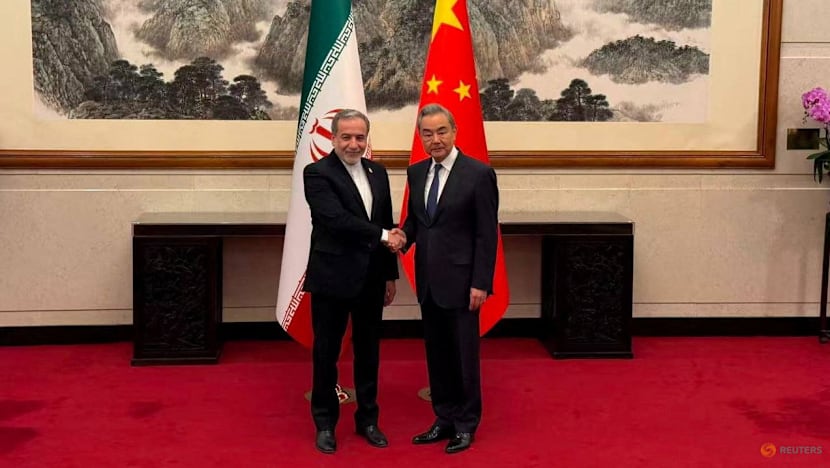
- Iran's Foreign Minister Abbas Araghchi told Chinese Foreign Minister Wang Yi in Beijing on Wednesday that Tehran was not interested in continuing the conflict with the US and sought a return to diplomatic channels.
- Wang Yi called on both Iran and the US to return to the Islamabad Memorandum of Understanding, rebuild the negotiation mechanism based on existing consensus, and take effective measures to reopen the Strait of Hormuz early.
- Araghchi said Iran considers the US-Iran MoU to remain in force, announced Iran had reached an agreement with Oman on arrangements for reopening the Strait of Hormuz, and called on Washington to honor its commitments.
- The meeting came days after Araghchi met Wang Yi and Russian Foreign Minister Sergei Lavrov on the sidelines of the BRICS summit in New Delhi on September 12-13, and marked his fifth visit to China since 2024.
- Wang offered China as a constructive mediator, called on Iran to pursue dialogue with Gulf states while respecting territorial sovereignty, and said recent developments exposed weaknesses in the Middle East security architecture that needed reform.
- The diplomatic push coincided with Houthi attacks on Saudi Arabia and their seizure of the strategic Bab el-Mandeb Strait in the Red Sea, alongside restricted oil tanker movement in the Strait of Hormuz that triggered a wider energy crisis.
Why it matters: Iran is publicly tying Hormuz reopening to an Oman-brokered mechanism and Chinese mediation rather than direct talks with Washington. For Beijing, this expands its role as a UN Security Council permanent member shaping Middle East security architecture reform, while giving it leverage over the Gulf states it is urging Iran to engage with.
Ask SkimNews