Iran Hits $500M US Radar Plane, Shrinking Thin Fleet — SkimNews
Get the Geopolitics newsletter
Daily geopolitics — wars, elections, sanctions, the diplomatic moves that move markets. Free.
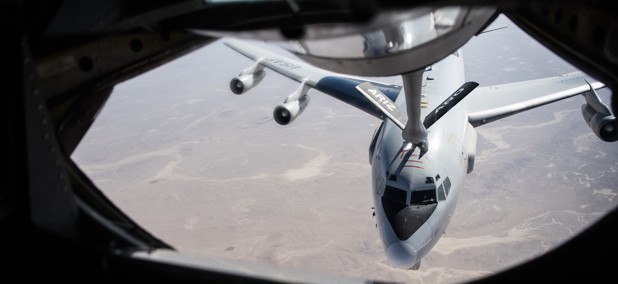
- Iran struck Prince Sultan Air Base in Saudi Arabia on March 27, damaging a U.S. E-3 Sentry AWACS aircraft in what defense experts call a deliberate, targeted hit on a high-value support asset.
- The E-3 Sentry fleet has shrunk to 15 aircraft total, with only about 11 likely serviceable, according to open-source tracker Steffan Watkins — each plane costing more than $500 million adjusted for inflation.
- Defense experts said the loss of one E-3 degrades the Air Force's ability to deconflict air operations, transmit threat data to combat aircraft, and maintain battlespace awareness — a mission set Mitchell Institute's Mark Gunzinger called 'absolutely critical to modern air warfare.'
- The attack also injured 12 service members and damaged two KC-135 refueling aircraft, the New York Times reported; one KC-135 had already crashed earlier this month, killing six airmen and prompting calls to upgrade aging tanker communications.
- The E-3's role extends beyond the Middle East — a former military official noted the plane is needed for homeland missile defense and Pacific missions, meaning the loss creates a 'deficit' globally, not just in the Iran war theater.
- The Pentagon awarded Boeing $2.4 billion earlier this month to develop E-7 Wedgetail prototypes as the planned E-3 replacement, a program that faced criticism from Defense Secretary Pete Hegseth last year, underscoring how long the Air Force has run this mission on 1970s-era airframes.
- Iran has repeatedly and deliberately targeted U.S. support aircraft — radar planes and refuelers — rather than combat jets, a pattern Gunzinger called unsurprising given how critical 'low-density, high-demand' assets are to projecting airpower over long ranges.
Why it matters: With roughly 11 serviceable E-3s remaining, the U.S. Air Force operates from a permanent deficit in airborne battle management — losing even one cascades into degraded homeland missile tracking, Pacific operations, and Middle East missions simultaneously. Iran's apparent strategy of targeting these rare, irreplaceable support aircraft exploits years of under-investment in replacements that won't arrive for years.
Ask SkimNews