Opinion: STAT+: The real work for making dramatic gains against pancreatic cancer is just beginning — SkimNews

Get the Health newsletter
Daily health & science — research, biotech, public health, the studies worth knowing. Free.
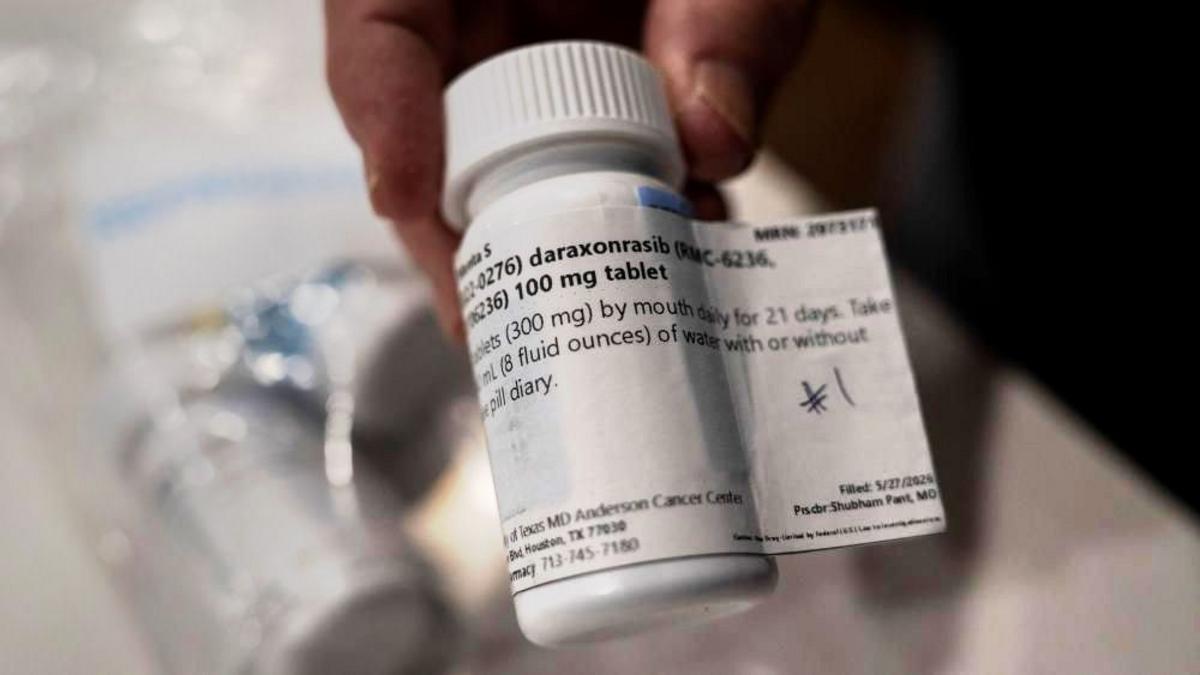
- Daraxonrasib extended average pancreatic cancer survival to 13.2 months versus 6.6-6.7 months on chemotherapy alone, according to an international study presented May 31 at the ASCO meeting in Chicago.
- UCLA co-led the international study that produced the daraxonrasib results, presented at the American Society of Clinical Oncology annual meeting.
- FDA granted early access to daraxonrasib roughly a month before the ASCO data drop for selected patients who had failed guideline-directed treatments for pancreatic cancer.
- Pancreatic cancer is described in the piece as a "lethal malignancy" whose complex, heterogeneous nature complicates treatment, especially when only single drugs are deployed.
- The opinion piece frames the survival gain as welcome but argues the harder work is just beginning, contending that single-agent strategies alone may be insufficient to make dramatic gains against complex cancers.
Why it matters: Pancreatic cancer patients who exhausted standard treatments gained early FDA access to daraxonrasib, which roughly doubled average survival to 13.2 months in an international UCLA-co-led trial. Even the optimistic opinion framing concedes that doubling still leaves survival under 14 months and that single-drug strategies may not overcome the disease's heterogeneity.
Ask SkimNews