Jeremiyah Love May End RB Top‑Five Draft Drought — SkimNews
Get the Sports newsletter
Daily sports — scores, transfers, the storylines from the leagues you actually follow. Free.
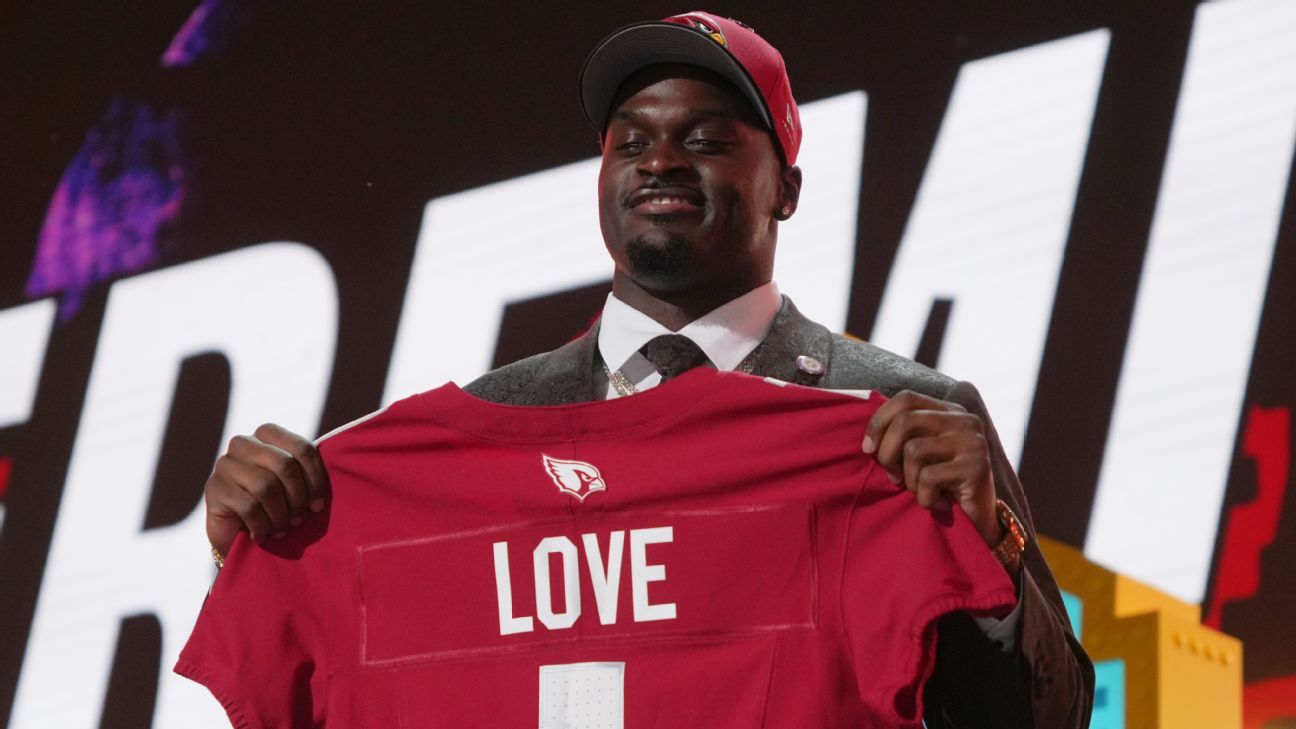
- NFL hasn't drafted a running back in the top five since Saquon Barkley No. 2 overall in 2018, with only two top‑10 RBs (Bijan Robinson, Ashton Jeanty) in the seven drafts after that.
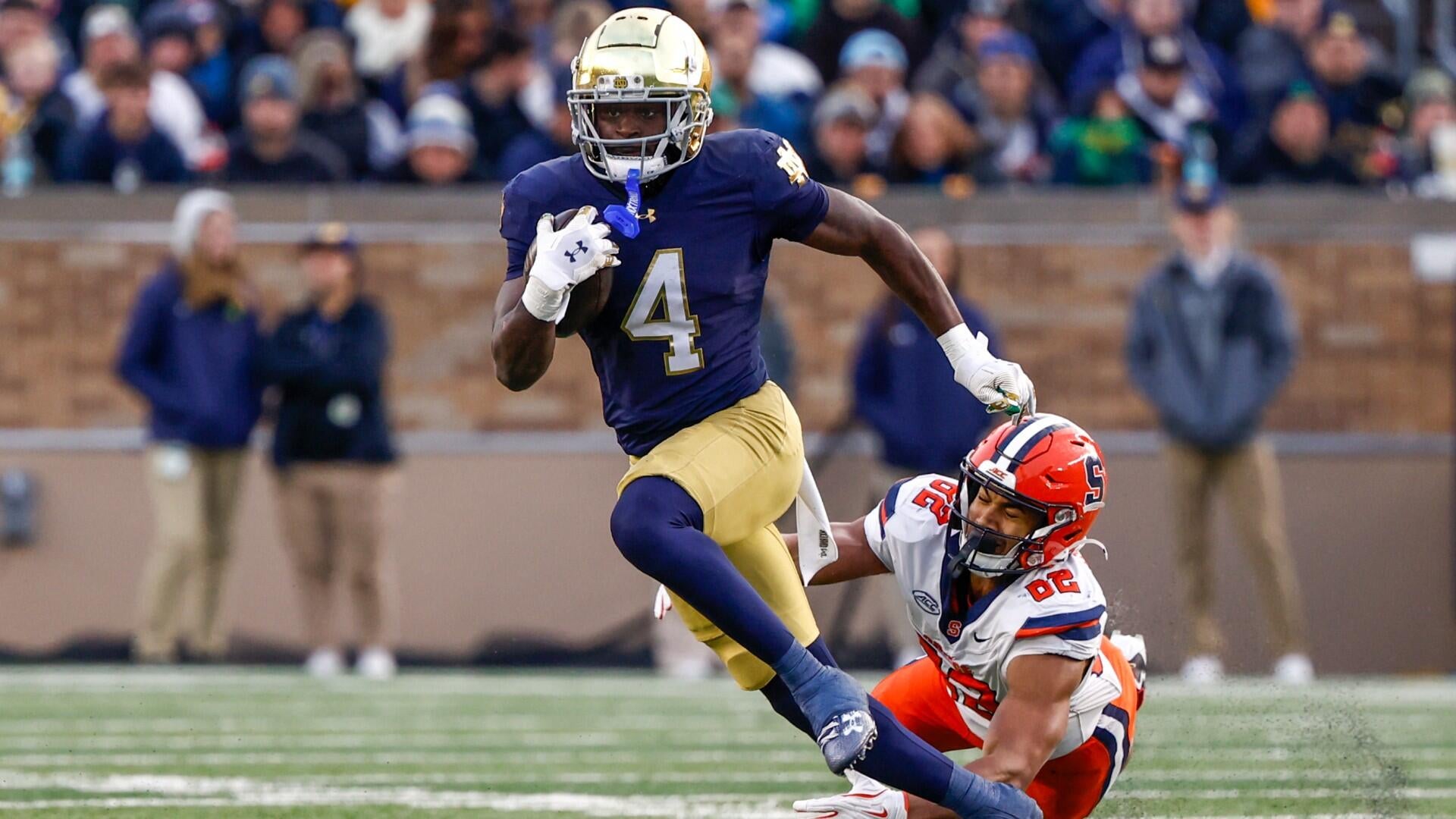
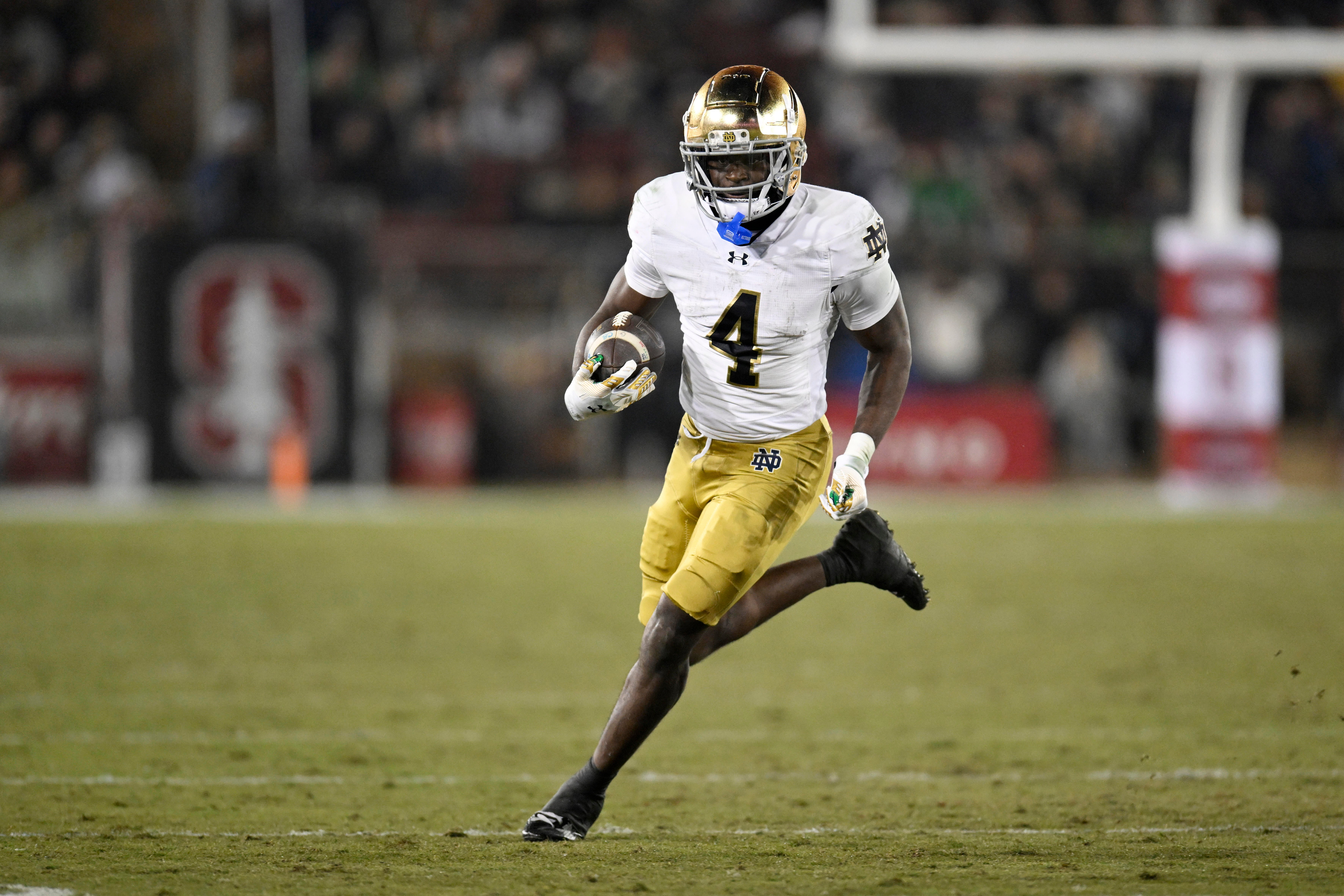
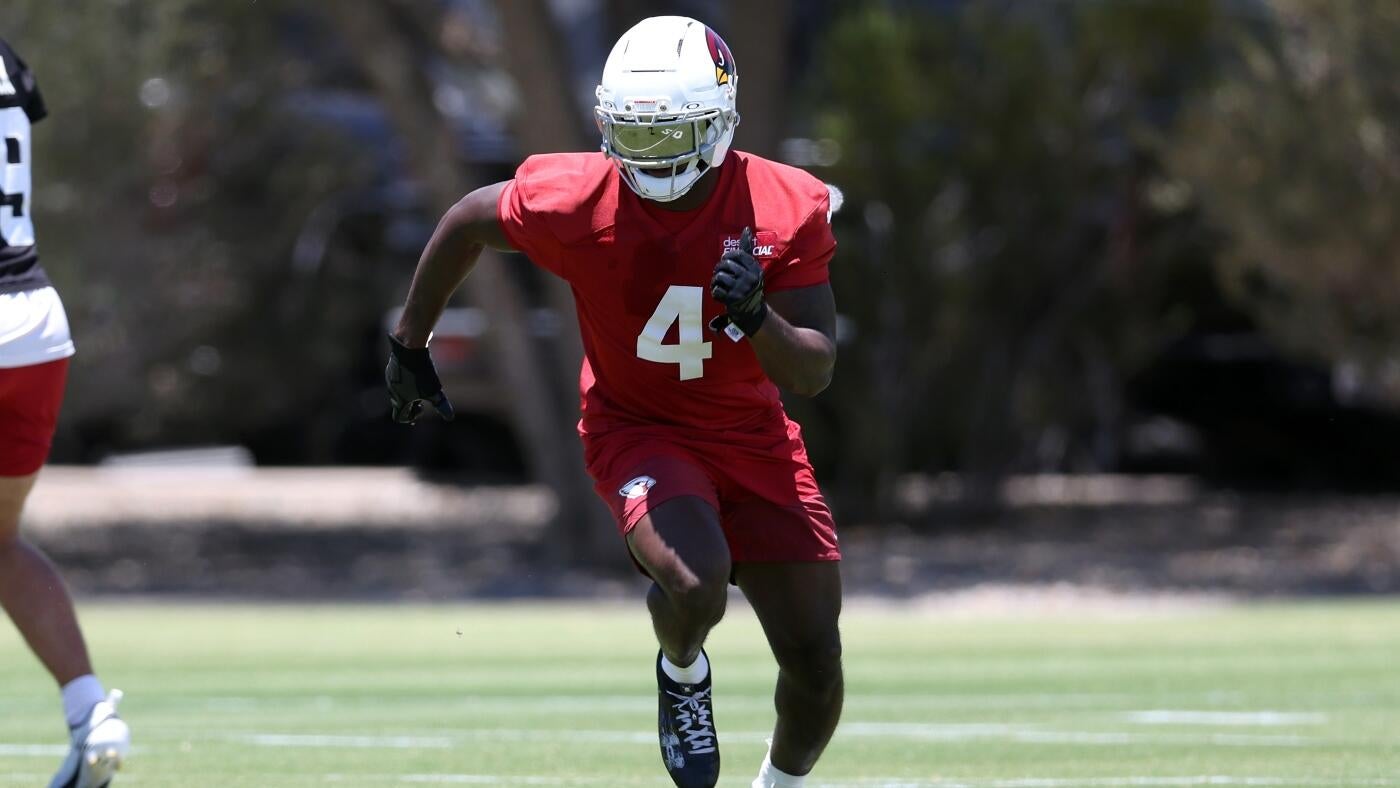
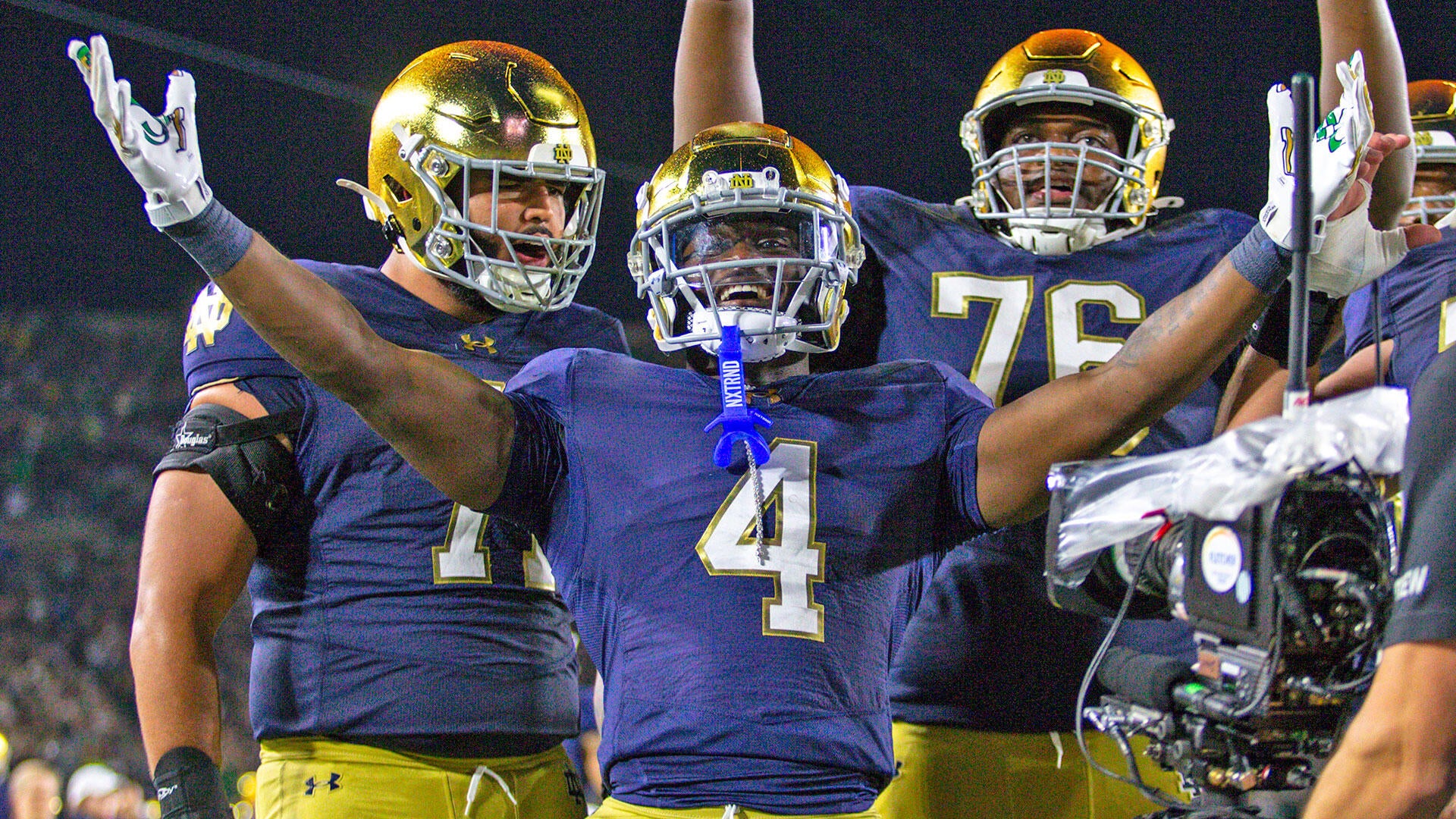
- Jeremiyah Love posted a 4.36 s 40‑yard dash, 6.9 yards per carry (tied for highest among 300+‑carry players) and 44 runs of 15+ yards out of 433 attempts, plus notable receiving skills.
- Running‑back talent is historically the third‑most important factor in rushing success, behind the defensive front and run blocking, as illustrated by the Giants’ 12th‑ranked rushing EPA and 19th‑ranked success rate during Saquon Barkley’s tenure.
- Two‑high safety shells are now common, prompting offenses to run the ball on 40.8 % of plays (highest since 2011) and achieve the best RB rushing success rate since 2004, creating more space for backs like Love.
- Rookie contract slots make a top‑five RB pick costlier than many other positions; the No. 5 pick Mason Graham earned $10.2 M per year, while the No. 6 RB Ashton Jeanty earned $8.98 M, a $3 M difference that could fund a Super Bowl MVP like Kenneth Walker.
- Love’s intangibles include a strong work ethic, dedication to football, and being under 21, qualities teams value for franchise branding and jersey sales.
- Running‑back career length typically averages about eight productive years, with only a handful of backs reaching 1,000 yards after age 30, underscoring the risk of a long‑term investment compared with positions like offensive tackle or defensive end.
Why it matters: If a franchise selects Love in the top five, it secures a high‑impact, space‑creating back but must allocate a larger rookie salary than many other positions, potentially sacrificing cap savings on premium edge or receiver contracts and challenging the league’s long‑standing bias against early RB picks.
Ask SkimNews