Right now, we could be living through a hantavirus disaster. The world avoided that, and this is why | Devi Sridhar — SkimNews
Get the Health newsletter
Daily health & science — research, biotech, public health, the studies worth knowing. Free.
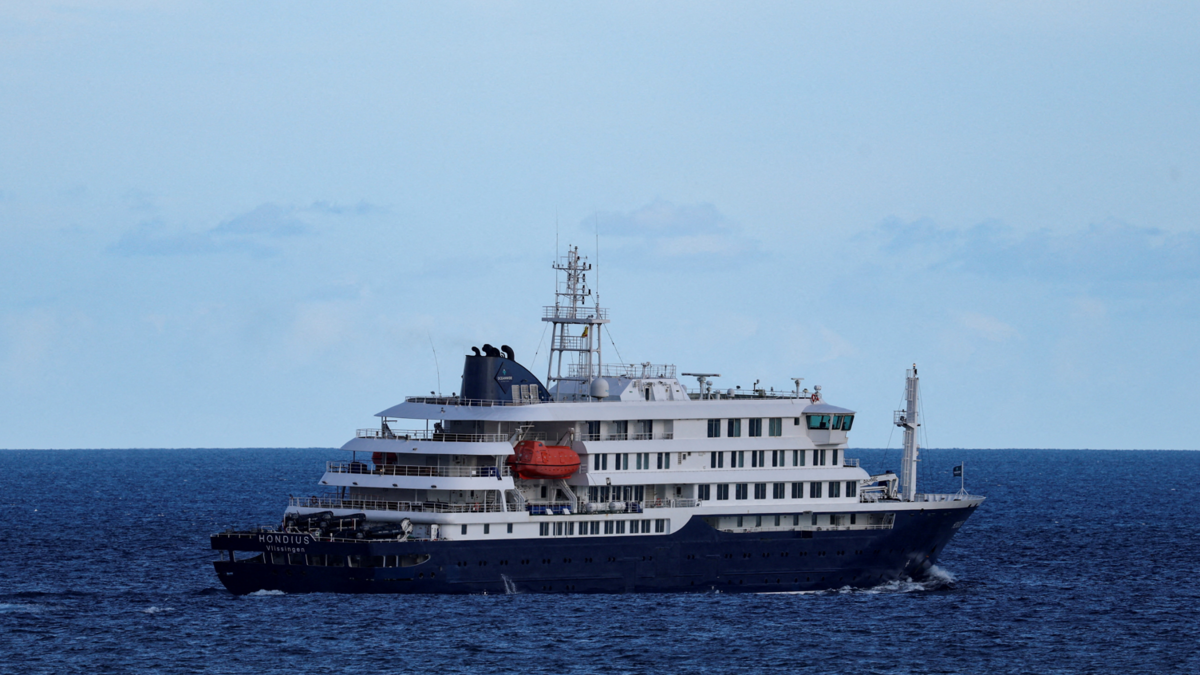
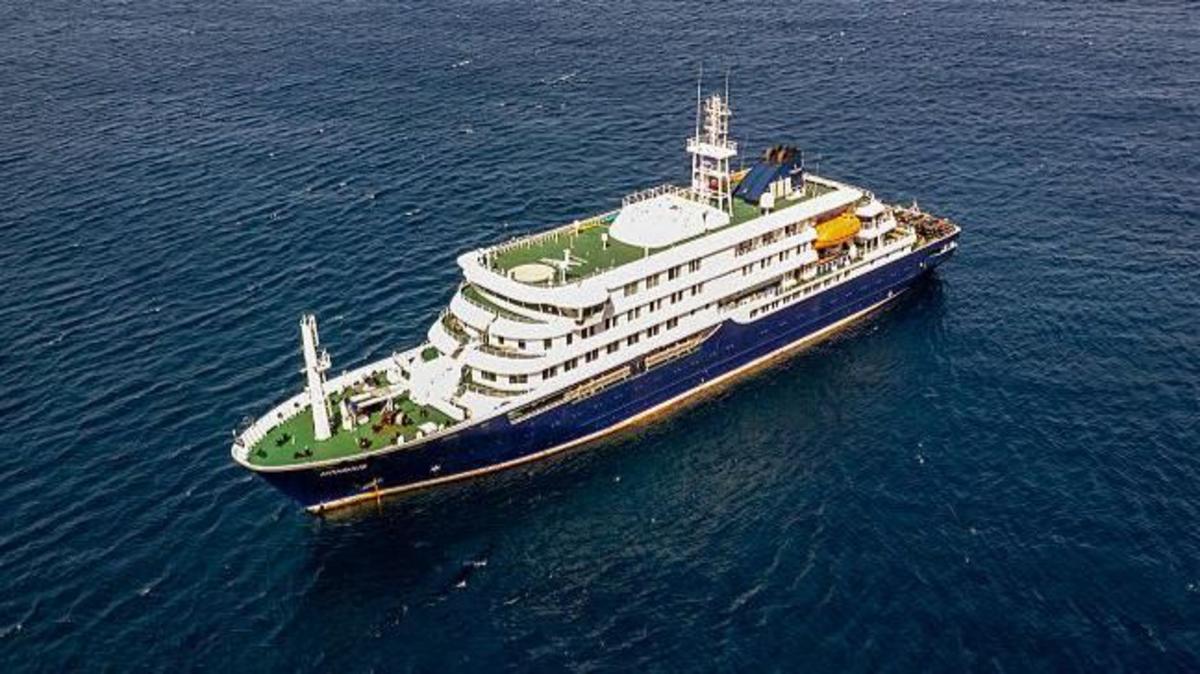
- The MV Hondius outbreak began when 7 of 147 passengers and crew were identified on 4 May with the Andes strain of hantavirus, a human-to-human transmissible variant with death rates approaching 30%.
- Containment held at 13 total cases, all among passengers who traveled on the ship, with no secondary cases linked to flights, airports, or other pre-outbreak contact points—despite the virus's up to eight-week incubation period.
- The Spanish government allowed the ship to dock near Tenerife and organized disembarkation and onward travel for passengers from 23 nationalities, an action Sridhar credits with sharply reducing the chance of wider spread.
- The WHO issued standardized technical guidance to all 23 countries with passengers on board, creating consistent isolation, monitoring, and contact-tracing protocols across disparate health systems.
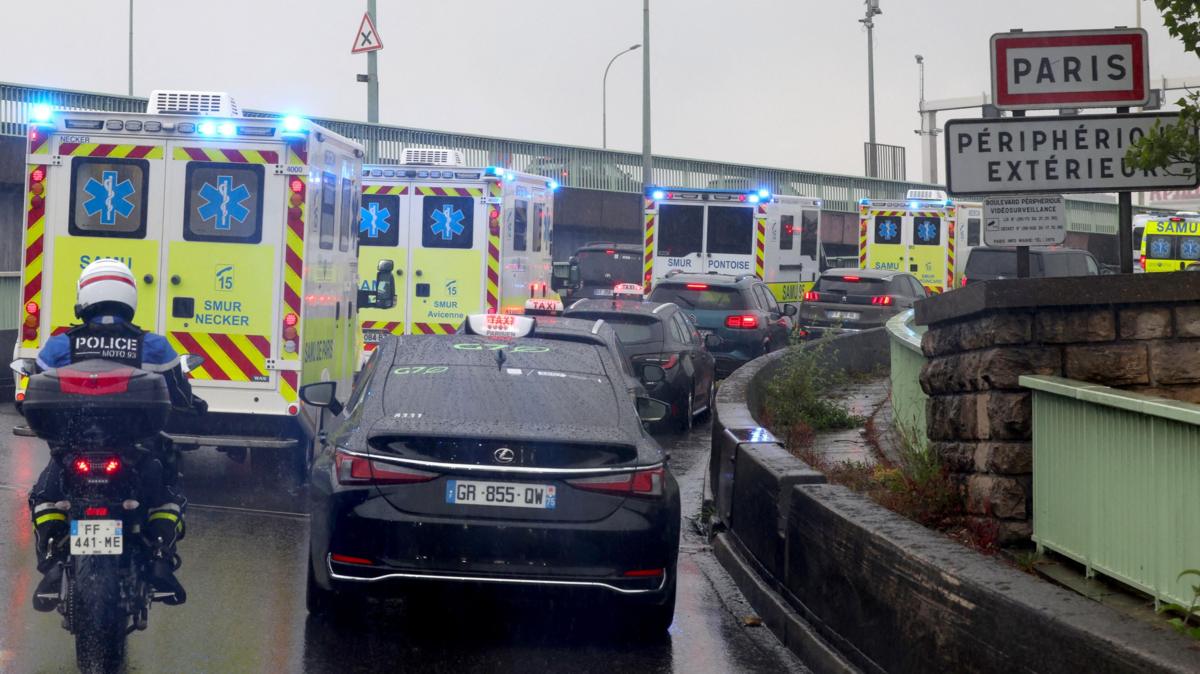
- The UK Health Security Agency repatriated British nationals and organized their care, testing, and monitoring, including contingency plans for managing spread to secondary contacts.
- Twenty-one countries have since signed up to a coordinated hantavirus research programme to study those exposed on the ship, aiming to inform development of treatments and vaccines—none of which currently exist.
Why it matters: The contained outcome relied on Spanish willingness to dock the ship, WHO cross-border coordination, and UK repatriation handling a virus that kills roughly 30% of those infected and transmits person-to-person. With 21 nations now funding joint research, the response also becomes a replicable playbook for the next cruise-ship outbreak and a foundation for the treatments and vaccines that don't yet exist.
Ask SkimNews