Japan Relieved Trump‑Xi Summit as China Cuts Boeing — SkimNews
SkimNews Take
The summit's vague "constructive strategic stability" language allows both the U.S. and China to claim diplomatic progress while deferring difficult decisions, creating a temporary calm that leaves underlying regional anxieties unaddressed.
Get the Geopolitics newsletter
Daily geopolitics — wars, elections, sanctions, the diplomatic moves that move markets. Free.
- Japanese officials expressed cautious relief after the Trump‑Xi summit, noting the lack of surprising outcomes and reassurances from Secretary of State Marco Rubio and Prime Minister Sanae Takaichi.
- China agreed to purchase 200 Boeing planes, a reduction from the previously discussed 500, indicating Xi’s confidence in his political‑economic model.
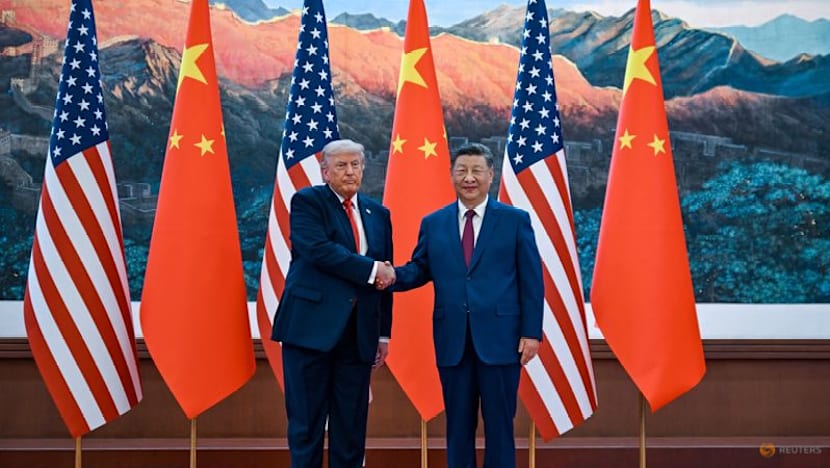
- U.S. and China emphasized a relationship of “constructive strategic stability” but did not announce any concrete cooperative frameworks.
- Japanese security officials warned that the future of U.S. arms sales to Taiwan remains uncertain after the summit.
- Japanese economic officials cautioned that the summit’s trade and investment board dialogue could normalize a U.S.–China “G2,” potentially enabling China to increase economic coercion.
Why it matters: Japan secures short‑term diplomatic reassurance from the summit, but its security and economic officials warn of lingering uncertainty over U.S. arms sales to Taiwan and a possible China‑led “G2” that tightens Chinese economic pressure on regional partners.
Ask SkimNews