States Press Climate Superfund Laws Despite Court Setbacks — SkimNews
Get the Energy newsletter
Daily energy & climate — solar, EVs, oil, the policy fights and tech bets shaping the transition. Free.
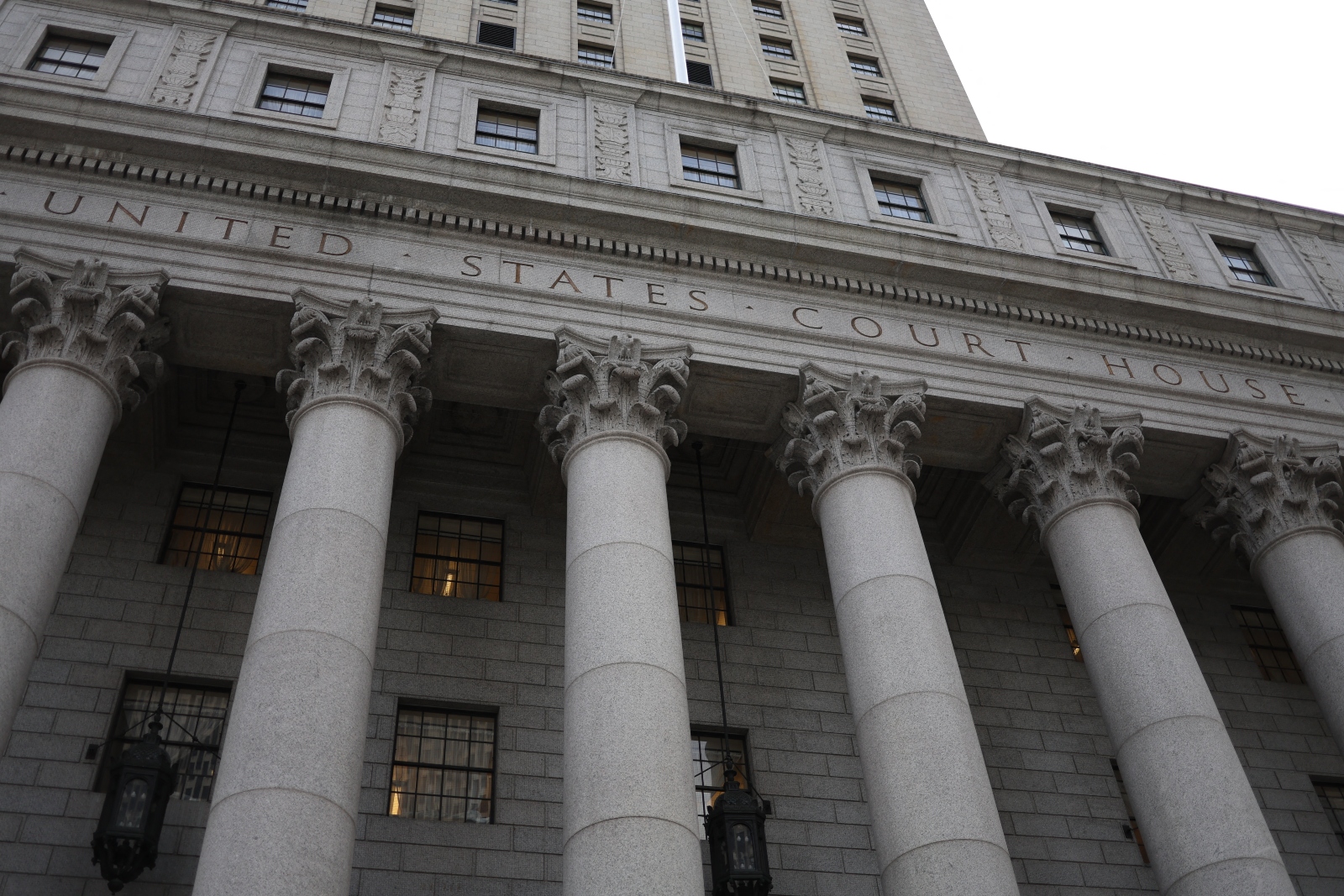
- A federal judge blocked New York's climate superfund law last week — the second such ruling — finding it preempted by the Clean Air Act and "simply beyond the limits of state law," siding with fossil fuel companies and 22 Republican state attorneys general.
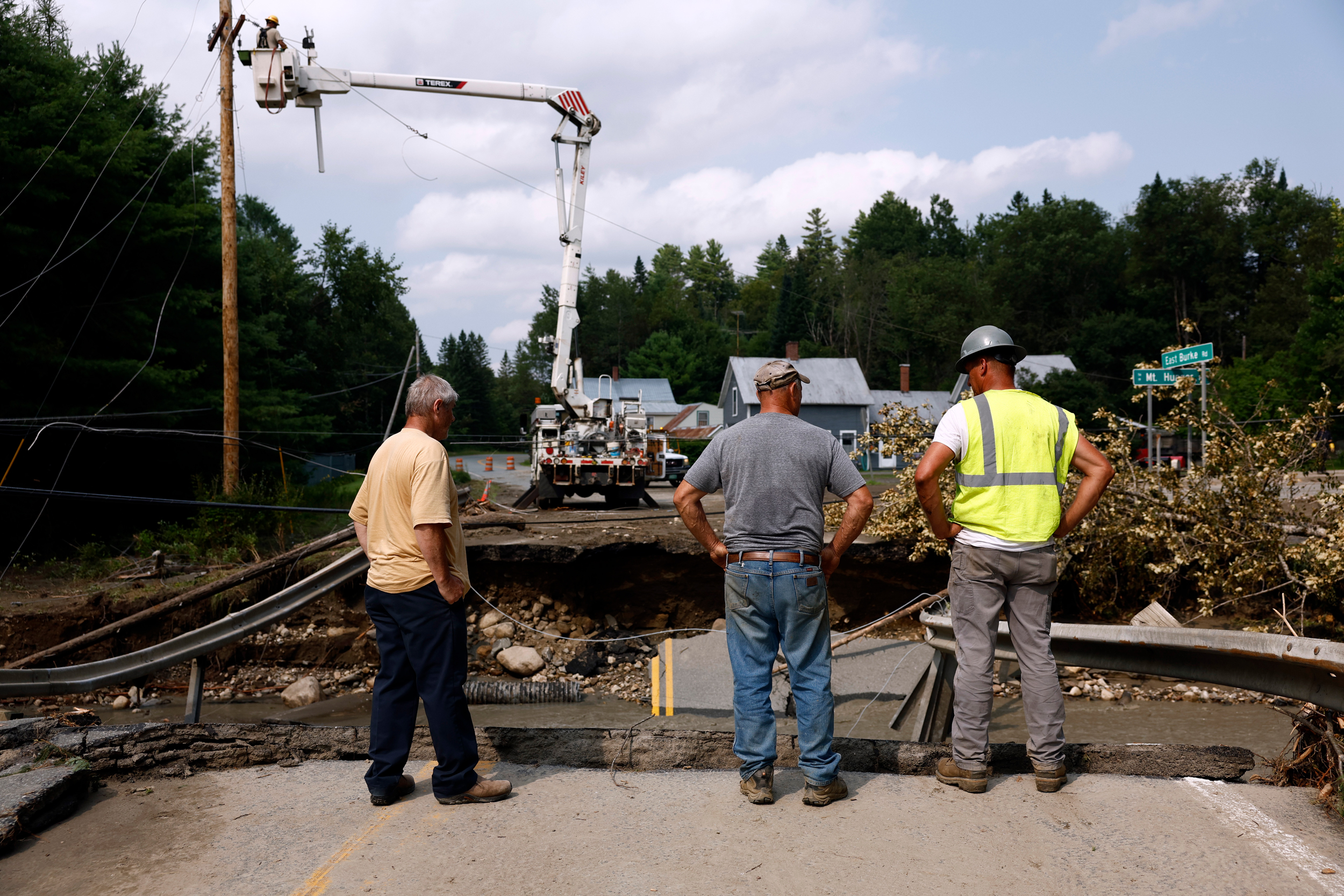
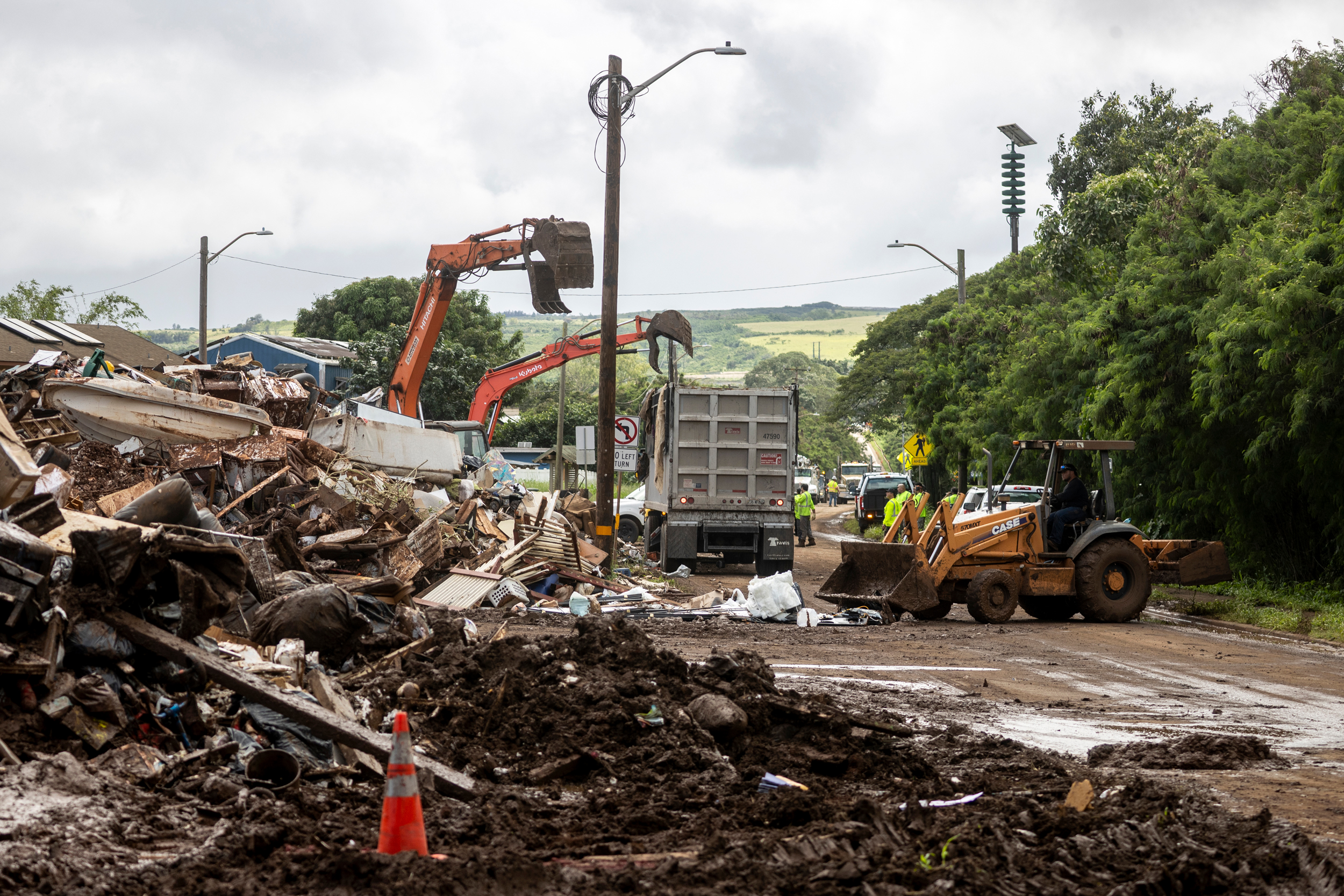
- New York's 2024 climate superfund law sought $75 billion from fossil fuel companies to cover costs including extreme weather recovery and adaptive infrastructure like upgraded stormwater drainage and cooling systems in public buildings.
- Vermont is the only other state to have enacted a climate superfund law, and it's now facing a legal challenge from some of the same plaintiffs who sued New York.
- Lawmakers from Connecticut, Hawaiʻi, Rhode Island, New Jersey, and New Hampshire told Grist they plan to continue advancing similar legislation, dismissing the New York rulings as having limited relevance to their states; California, Illinois, and Massachusetts legislators told that outlet the same.
- The Supreme Court will hear Suncor v. Boulder County beginning next week, with a decision possible by spring; if five of eight justices find federal law preempts these claims, the ruling could nullify not only superfund proposals but also consumer rights, racketeering, and antitrust suits against fossil fuel companies nationwide.
- West Virginia Attorney General JB McCuskey told Bloomberg Law he will sue "almost instantaneously" if any other state passes a climate superfund law, signaling coordinated industry and GOP legal opposition to expanding the approach.
Why it matters: The two district court losses are tactical setbacks, but the existential threat is Suncor v. Boulder County: a Supreme Court ruling for fossil fuel interests could preempt every form of state climate accountability — superfund laws, consumer fraud suits, racketeering claims — leaving states with billions in climate costs and no legal recourse against the companies that caused them.
Ask SkimNews