States Push Climate Superfund Laws Despite NY Blocks — SkimNews
Get the Energy newsletter
Daily energy & climate — solar, EVs, oil, the policy fights and tech bets shaping the transition. Free.
- New York enacted a climate superfund law in 2024 seeking $75 billion from fossil fuel companies for climate adaptation projects, but two federal judges blocked it, citing preemption by the Clean Air Act.
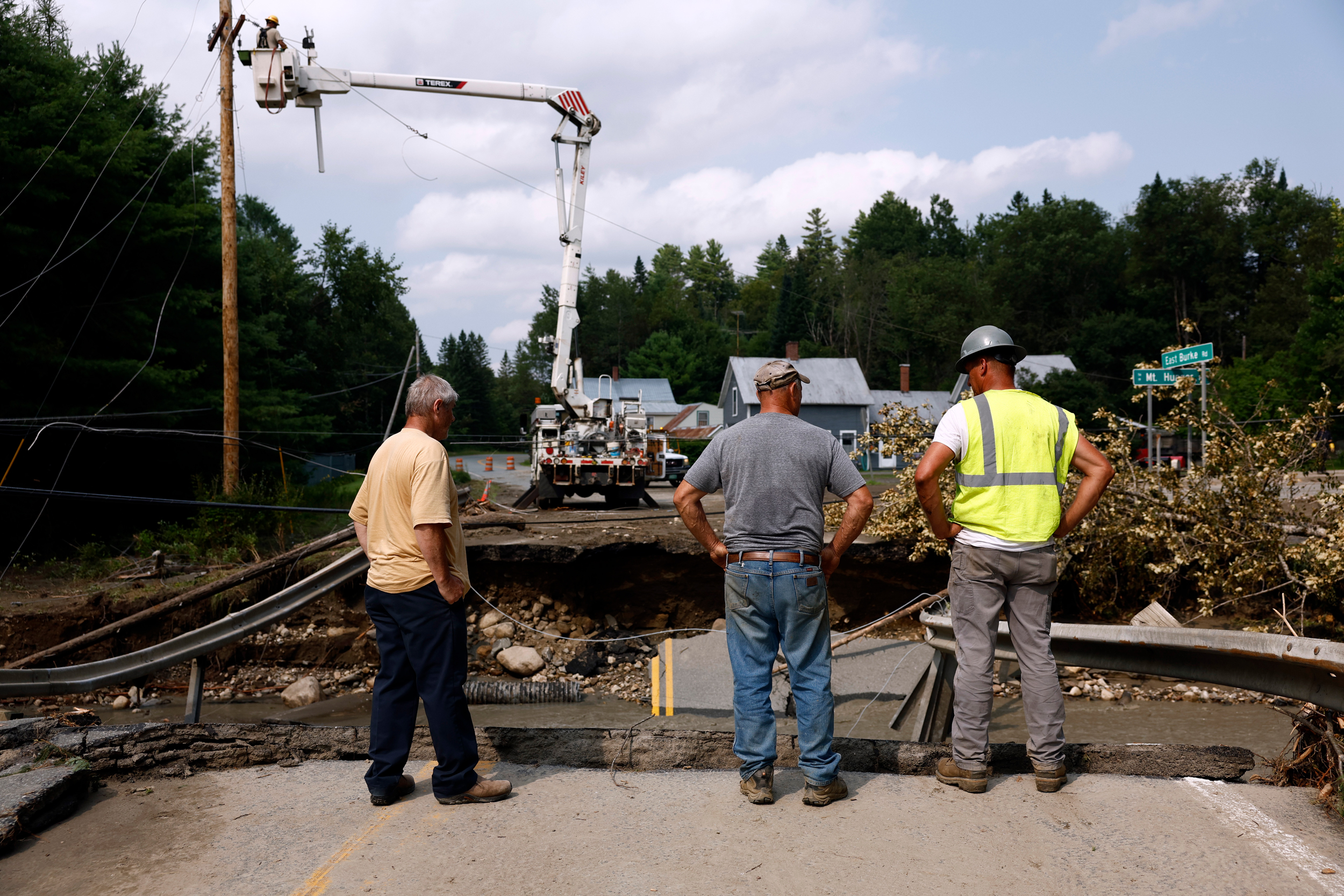
- Vermont is the only other state to have passed a climate superfund law, which now faces legal challenges from the same industry groups and attorneys general opposing New York’s measure.
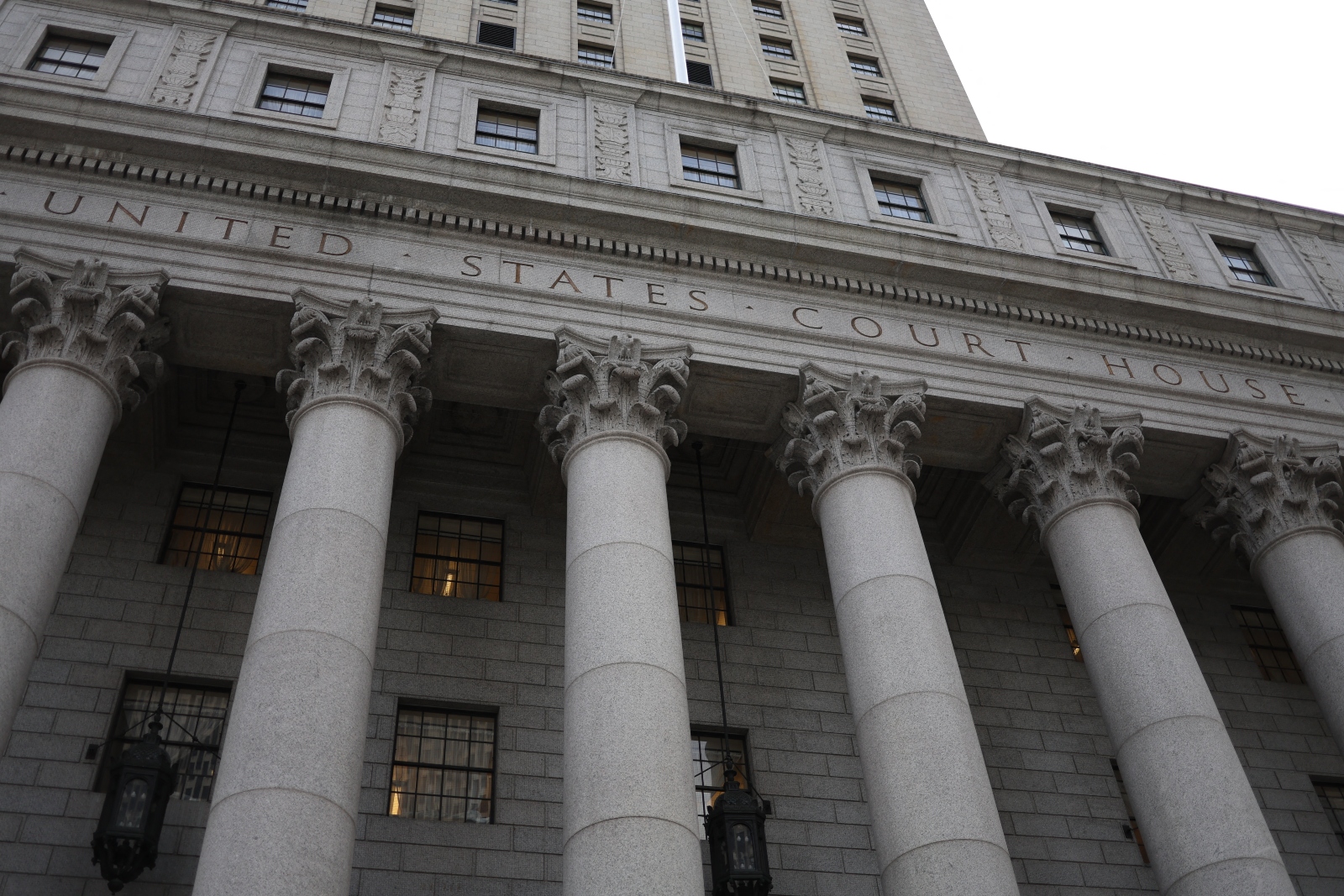
- Suncor v. Boulder County, a Supreme Court case beginning next week, could establish a national precedent limiting or barring state-level climate liability claims against fossil fuel companies if federal law is deemed to preempt them.
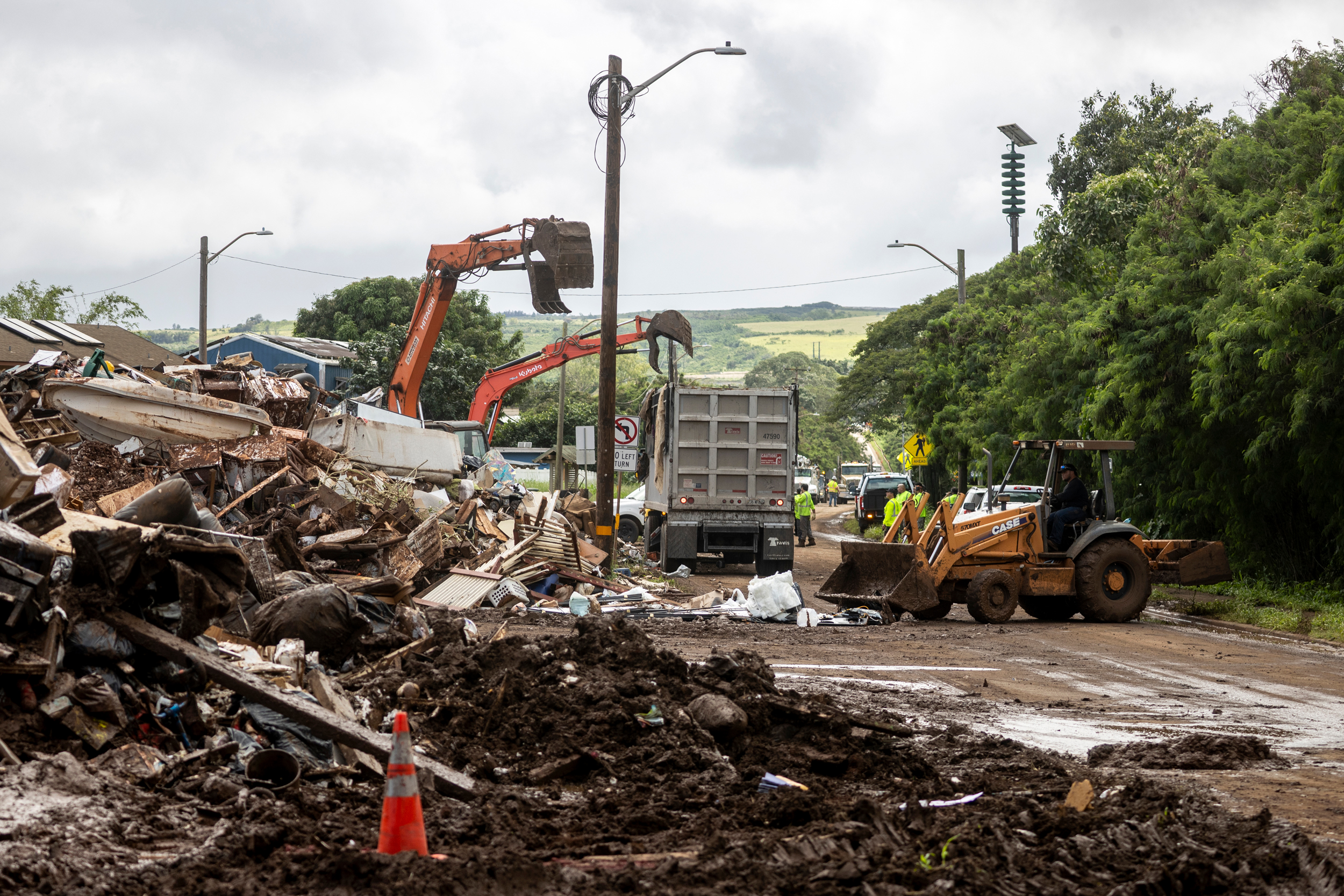
- Lawmakers in Connecticut, Hawaiʻi, Rhode Island, New Jersey, and California say the New York rulings won’t deter their plans to advance similar superfund legislation, noting differences in jurisdiction and legal frameworks.
- Rachel Rothschild, a University of Michigan Law professor, warned a broad Supreme Court ruling could strip states of authority to pursue climate accountability through torts, superfund laws, or antitrust claims, undermining democratic governance on climate policy.
- Jonathan Adler, a William and Mary Law professor, said a favorable Supreme Court decision for Boulder might provide a 'yardstick' for states to shape legally viable climate damage claims based on borders or proven harms.
Why it matters: If the Supreme Court rules that federal law preempts state climate liability cases, dozens of pending and proposed state laws — each seeking billions in recoupment for climate costs — could be invalidated, leaving states with no legal path to recover mounting climate expenses from fossil fuel producers.
Ask SkimNews