Rachel Carson’s Silent Spring Sparked EPA, 900 Pesticides — SkimNews

SkimNews Take
Carson's work demonstrated that widely adopted technologies could have unforeseen, systemic ecological consequences, shifting public perception toward a more critical evaluation of scientific and industrial progress.
Get the Energy newsletter
Daily energy & climate — solar, EVs, oil, the policy fights and tech bets shaping the transition. Free.
- Rachel Carson shifted her research focus after a Boston Herald letter highlighted DDT’s deadly impact on Massachusetts birds, leading her to investigate pesticide effects and eventually title her book “Silent Spring”.
- Silent Spring (published 1962) is credited with launching the modern environmental movement, prompting President John F. Kennedy to order an investigation into DDT and other pesticides.
- President John F. Kennedy cited Silent Spring as the catalyst for his 1962 investigation, which contributed to the creation of the Environmental Protection Agency in 1970 and a series of environmental laws (Clean Air Act, Wilderness Act, NEPA, Clean Water Act, Endangered Species Act).
- Dave Goulson notes that the number of pesticide active ingredients grew from 37 in Carson’s era to 900 in the U.S. and 500 in the EU today, underscoring the expanded chemical burden.
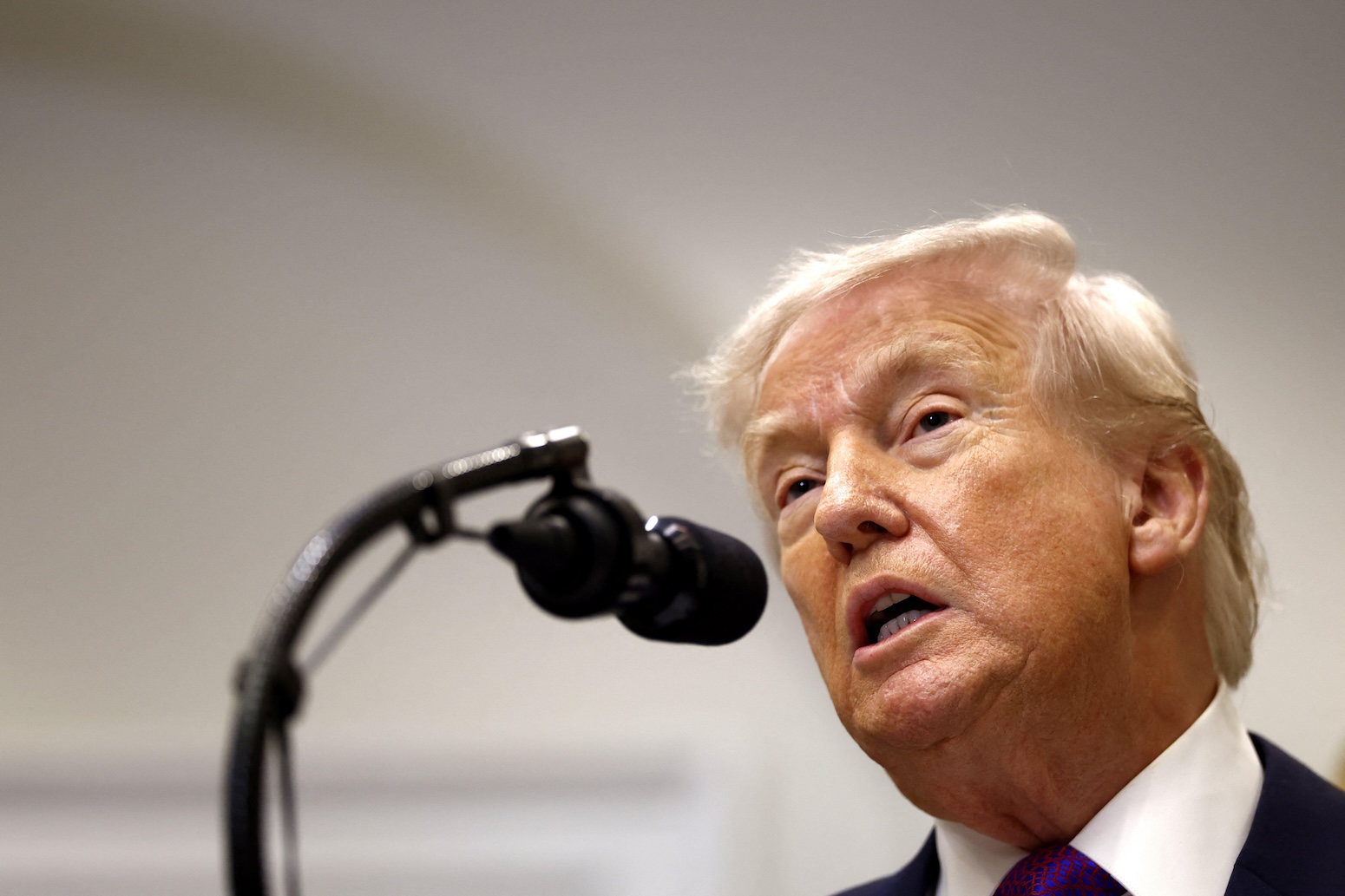
- Trump administration is actively dismantling the environmental legislation that originated after Silent Spring, while organophosphates remain in use worldwide and neonicotinoids have replaced banned chemicals in some regions.
- DDT was first used as an insecticide in 1939, employed by Allies during WWII, and later applied widely for agricultural pest control and malaria control after 1945, as documented in Silent Spring.
- Silent Spring described how pesticide drift through air and groundwater kills non‑target species, illustrating the interconnected “elm‑earthworm‑robin” food web and the broader ecological impacts that persist today.
Why it matters: The book’s legacy is undercut as the Trump administration rolls back the environmental statutes it inspired, while the pesticide market has swelled to 900 active ingredients in the U.S., intensifying exposure risks for wildlife and human communities; organophosphates remain in use worldwide and neonicotinoids have replaced many banned chemicals, further eroding the protections Carson fought to secure.
Ask SkimNews