China's PLA Air Force Deploys AI Strike Planner — SkimNews

Get the Tech newsletter
Daily tech — startups, AI labs, chips, the launches that shape the next decade. Free.
- PLA Air Force deployed an AI strike-planning system that prioritizes targets from a pool of hundreds, coordinates dozens of formations, and assigns tasks to 100+ tactical units, per a CCTV documentary released in early August for the PLA's 99th anniversary.
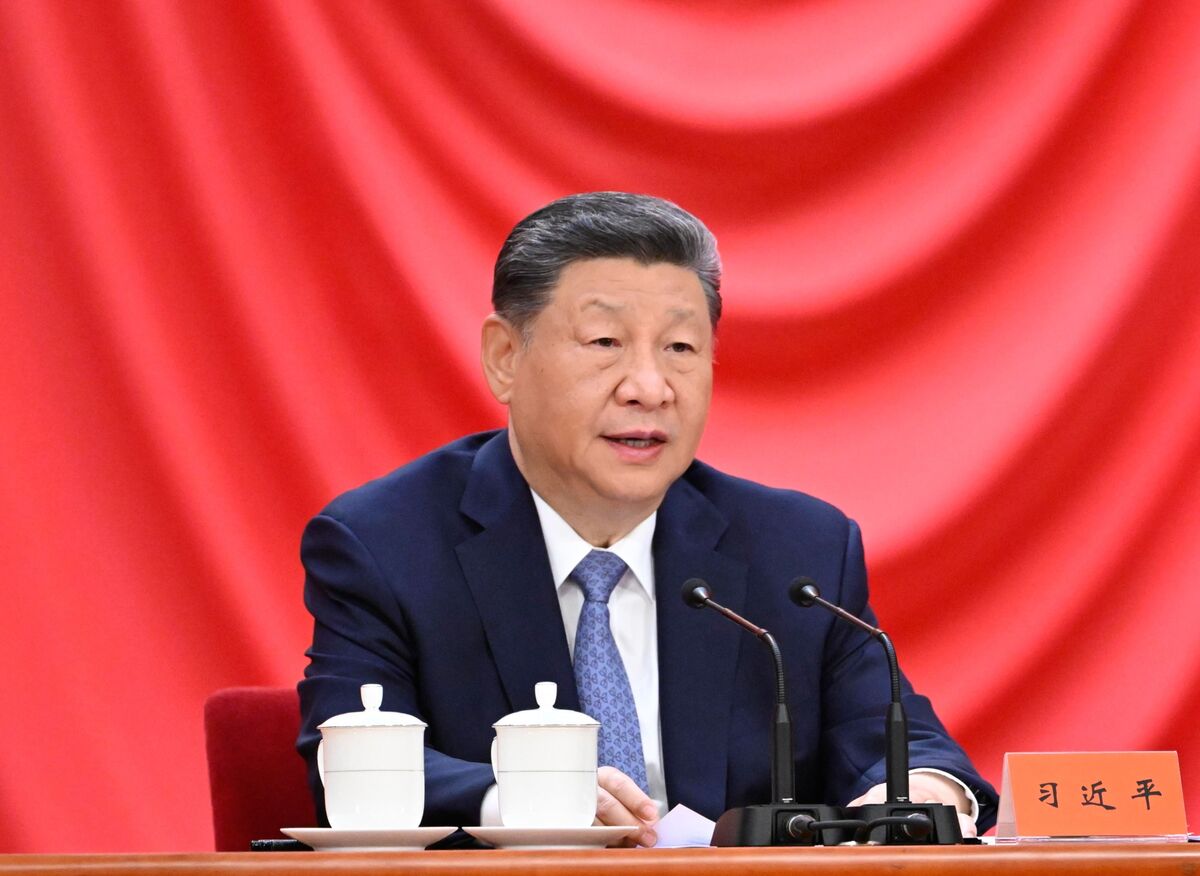
- Xi Jinping ordered the PLA in late July to strengthen military applications of unmanned intelligent technologies, aligning the new system with Beijing's 2027 modernization goals tied to the PLA's 100th anniversary.
- The AI tool compresses hours of complex campaign planning into minutes by handling decision volumes beyond human capacity — a capability the source notes is fair but not unique to China.
- China maintains at the Convention on Certain Conventional Weapons that AI should support rather than replace human decision-makers, yet the compressed planning cycle risks shrinking human assessment time enough that commanders functionally rubber-stamp machine-ranked options.
- The source draws a parallel to automated target prep in Israel's Gaza strikes, quoting a source: "We prepare the targets automatically… there is no time to delve deep."
- AI integration in China spans logistics, intelligence analysis, and battlefield management — what the source calls an "end-to-end algorithmic command ecosystem."
- AUKUS and Quad partners face de-escalation tools built on slower human dialogue that may lag dangerously behind machine-speed operations in a South China Sea or Taiwan Strait scenario.
Why it matters: The deployment exposes a sharp gap between Beijing's diplomatic stance that AI should only support human decision-makers and the operational reality that compressing hours of planning into minutes reduces commanders to rubber-stamping machine output. AUKUS and Quad partners can no longer assume de-escalation cycles move faster than algorithmic warfare in an Indo-Pacific crisis.
Ask SkimNews