Legumes Cut Hypertension Risk 16% in Major Review — SkimNews
Get the Health newsletter
Daily health & science — research, biotech, public health, the studies worth knowing. Free.
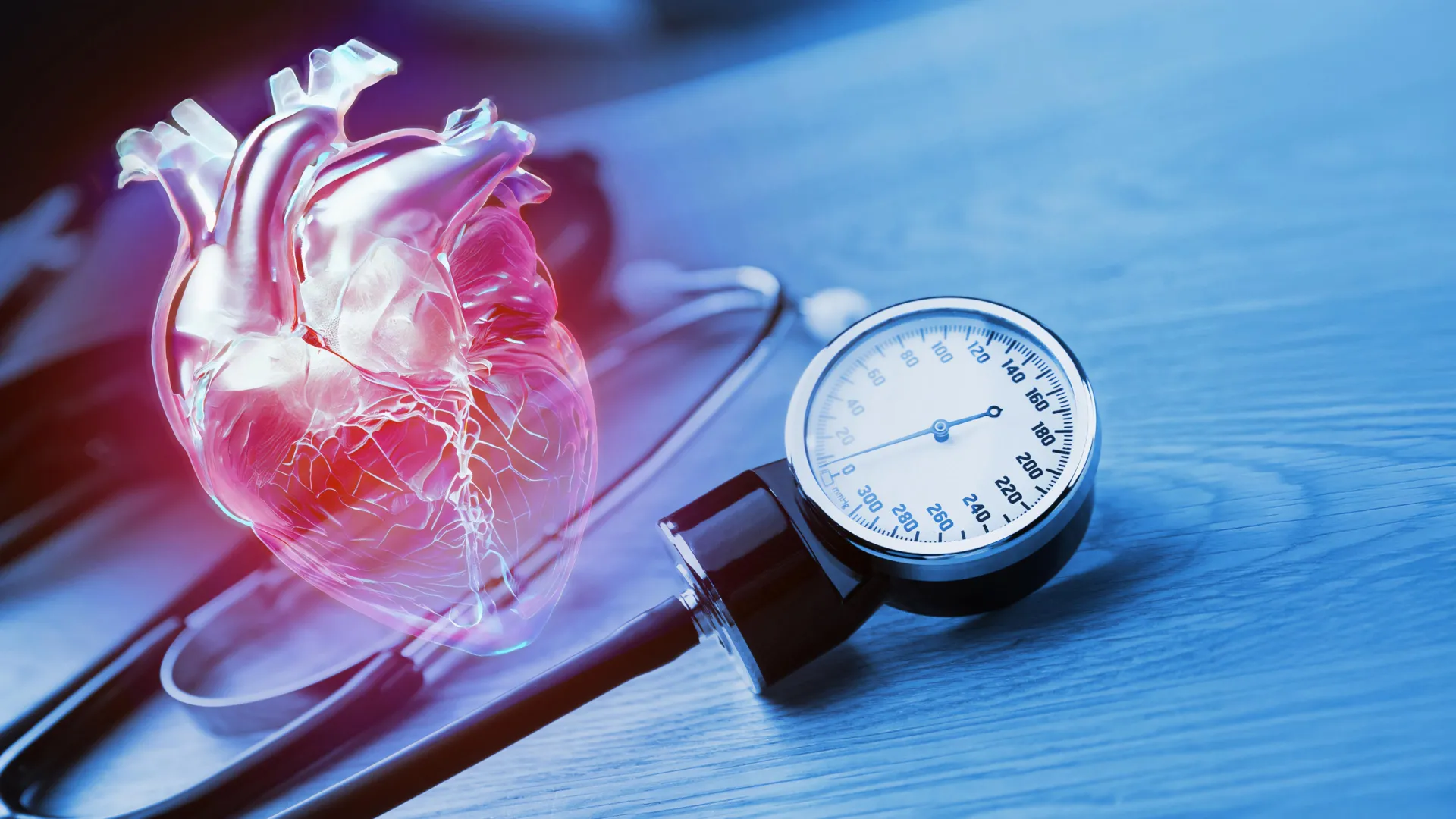
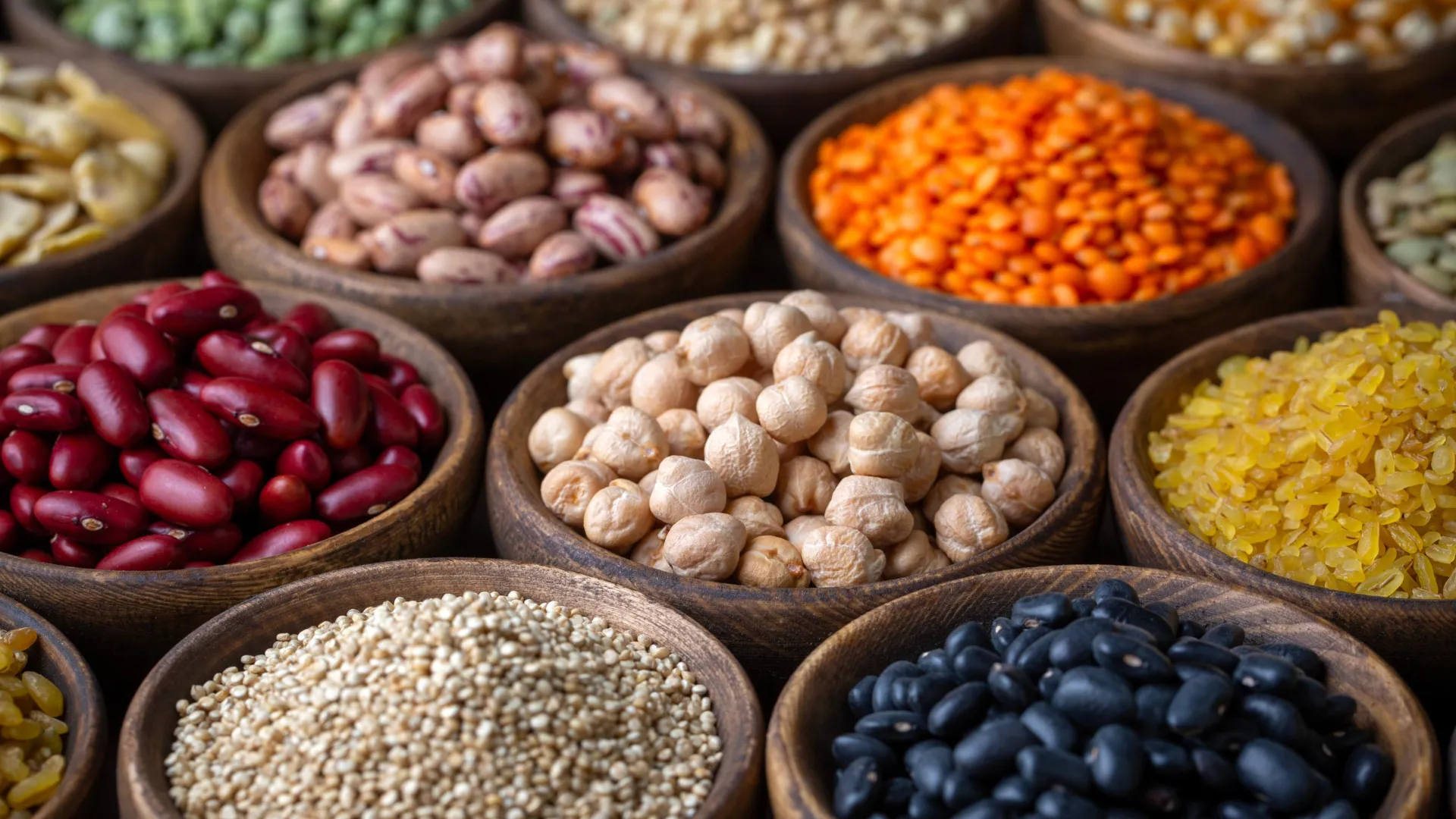
- BMJ Nutrition Prevention & Health published a meta-analysis of 12 prospective studies (1,152 to 88,475 participants each) from the US, Europe, and Asia, finding the highest legume consumers were 16% less likely to develop hypertension and the highest soy consumers 19% less likely
- Legume intake showed a dose-response pattern, with risk reduction climbing up to roughly 170 grams per day and reaching about 30% at that level, while soy benefits plateaued between 60 and 80 grams daily at roughly 28–29% risk reduction
- Researchers graded the evidence as a 'probable causal' link using World Cancer Research Fund criteria, pointing to potassium, magnesium, fiber, gut-fermented short-chain fatty acids, and soy isoflavones as biologically plausible mechanisms
- Average legume consumption across Europe and the UK sits at just 8–15 grams per day, far below the 65–100 grams recommended for cardiovascular health, a gap the authors flagged as a public health opportunity
- NNEdPro's Professor Sumantra Ray called the findings a significant addition to evidence for plant-based cardioprotective diets, while cautioning that unmeasured factors could have influenced results and that the soy benefit plateau warrants further study
- Authors noted limitations including varying legume types, preparation methods, underlying diet patterns, and inconsistent definitions of high blood pressure across the included studies
Why it matters: With hypertension cases in the pooled studies ranging from 144 to over 35,000, the analysis offers one of the clearest dose-response pictures yet linking specific, affordable foods to blood pressure risk — and the 8–15 g/day European intake versus 65–100 g/day recommendations gives policymakers and clinicians a concrete, actionable target for dietary guidance.
Ask SkimNews