How Vietnam Keeps Rivals Off Its Western Flank — SkimNews

Get the Geopolitics newsletter
Daily geopolitics — wars, elections, sanctions, the diplomatic moves that move markets. Free.
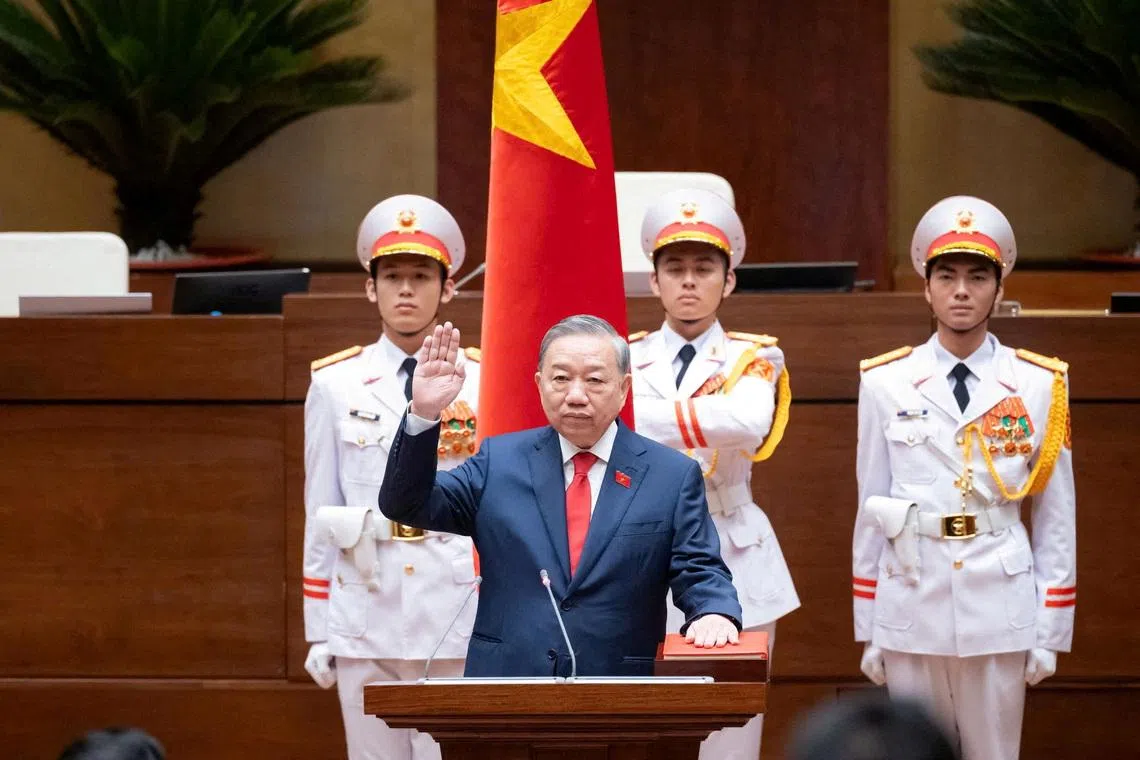
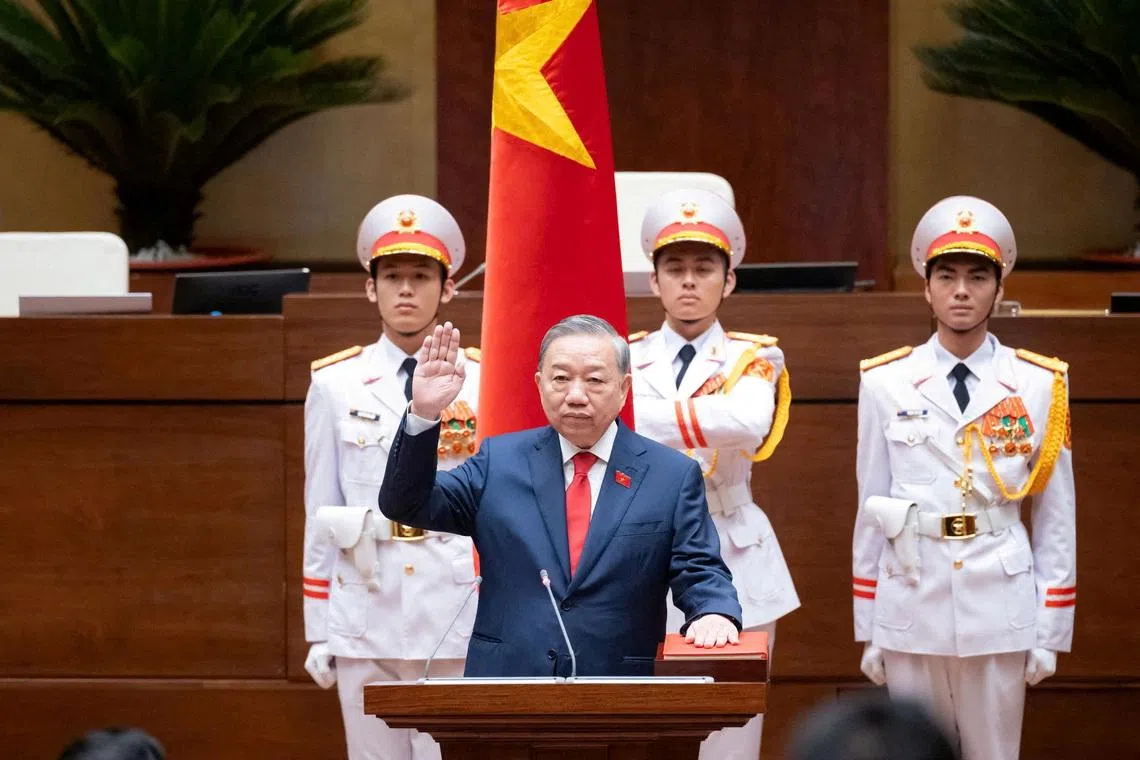
- To Lam pledged at the 2026 Shangri-La Dialogue that Vietnam would not become a "center of power" in Southeast Asia, reaffirming the Four Nos foreign policy: no military alliances, no siding against one country, no foreign bases on Vietnamese soil, and no use or threat of force.
- Vietnam's 3,400-km shared border with Laos and Cambodia and lack of horizontal strategic depth makes blocking hostile powers from staging on its western flank a core imperative — Vietnam's 103 million people are roughly four times the combined populations of its two neighbors.
- Hanoi historically secured that flank through force across three Indochina wars, toppling the Chinese-backed Khmer Rouge in December 1978 in just two weeks to install a pro-Vietnamese government in Phnom Penh and neutralize Beijing's influence.
- Vietnam's occupation peaked at 50,000 troops in Laos and 200,000 in Cambodia, drawing condemnation from ASEAN, the West, and China as regional hegemony and forcing retrenchment as Soviet backing collapsed in the late 1980s.
- The 1977 Vietnam-Laos Friendship Treaty and Vietnam's adherence to the 1991 Paris Peace Agreements now anchor Hanoi's diplomatic approach; Vietnam tolerates Chinese infrastructure investment in Laos because Vientiane does not host Chinese military bases.
- Vietnam continues backing the Hun family's authority in Cambodia despite Phnom Penh's tilt toward Beijing, viewing the family as less likely to seek foreign help against Hanoi than rival Cambodian factions.
- China's growing presence at Cambodia's Ream Naval Base concerns Hanoi, but Vietnam is now countering Beijing's influence in western Indochina through its own infrastructure investments rather than military deployments.
Why it matters: Vietnam's pivot from 250,000 troops across Laos and Cambodia in the 1980s to treaty-based diplomacy shows Hanoi learned to keep great powers out without paying the hegemon price. The live test: Chinese presence at Ream Naval Base, where infrastructure competition now substitutes for the garrisons Vietnam once relied on.
Ask SkimNews