U.S.-Iran Peace Talks Set for Friday in Islamabad — SkimNews

Get the Geopolitics newsletter
Daily geopolitics — wars, elections, sanctions, the diplomatic moves that move markets. Free.
- U.S. and Iran will hold their first in-person peace negotiations since the war began, planned for Friday in Islamabad, according to two sources familiar with the plans.
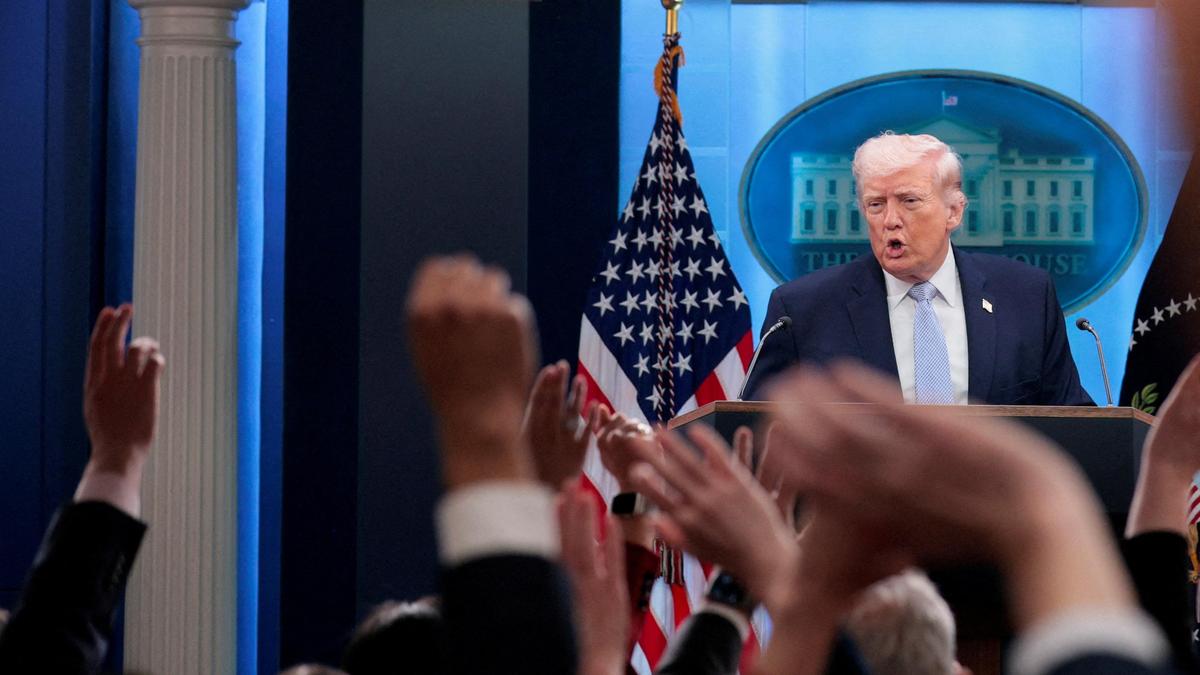
- President Trump announced a two-week ceasefire to enable negotiations, with the U.S. aiming to secure a full peace deal during the truce period.
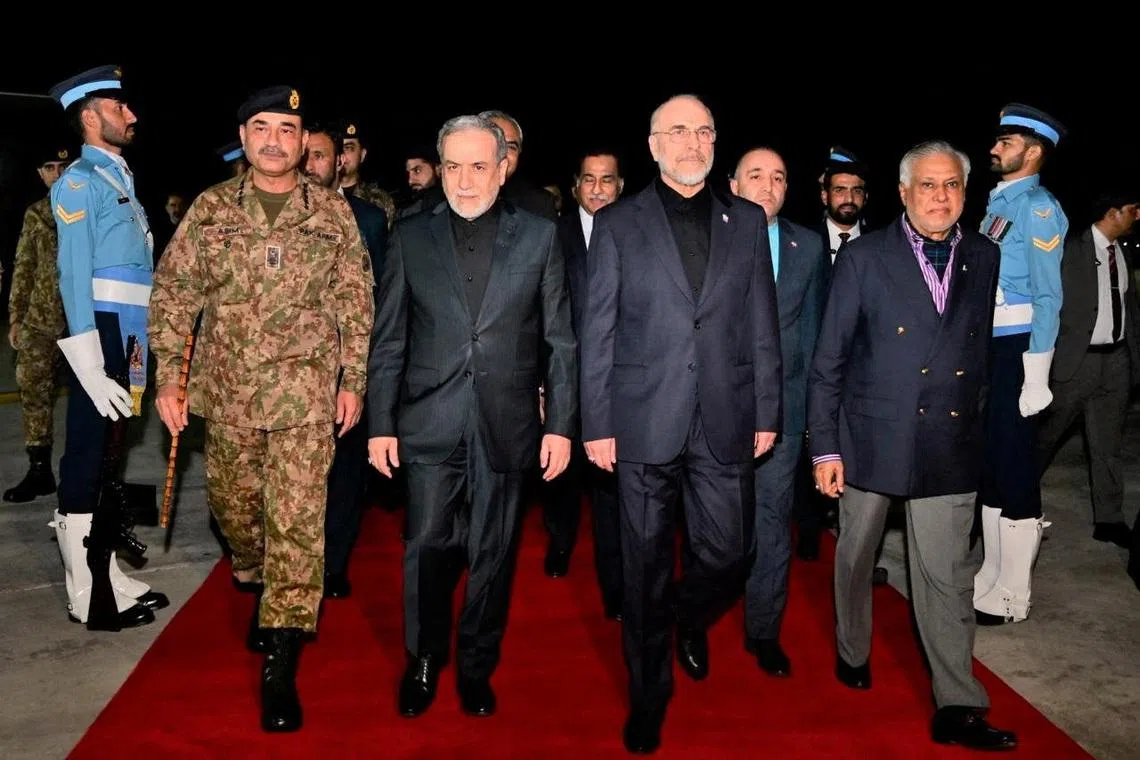
- Iran's foreign minister Abbas Araghchi confirmed Tehran's acceptance of the ceasefire and peace talks, signaling mutual agreement to pursue diplomacy.
- Vice President Vance is likely to lead the U.S. delegation in the Islamabad talks, potentially shifting from his prior supporting role in the diplomatic effort.
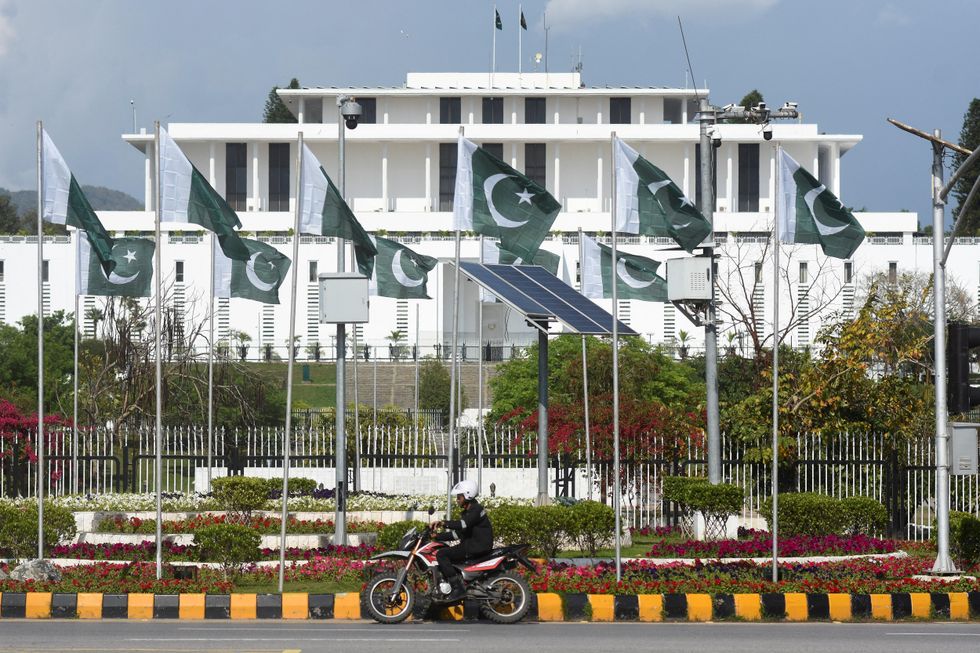
- Pakistani Prime Minister Shehbaz Sharif confirmed he invited both parties to Islamabad, hailing the event as the 'Islamabad Talks' and expressing hope for sustainable peace.
- White House envoy Steve Witkoff has led prior diplomacy with Iran, but his role may be scaled back as in-person negotiations begin with a potential leadership shift to Vance.
- Jared Kushner has been involved in the negotiations, adding another layer of high-level U.S. advisory presence alongside Trump and Vance.
Why it matters: This marks the first direct diplomatic engagement since the war began, with a two-week ceasefire creating a narrow window for peace. The U.S. delegation shift toward Vance—paired with Pakistan’s active facilitation—suggests a strategic recalibration that could alter the momentum of the conflict if talks yield concrete outcomes.
Ask SkimNews