Analyst: Hormuz Blockade Is a 'Massive Force Problem'

Get the Geopolitics newsletter
Daily geopolitics — wars, elections, sanctions, the diplomatic moves that move markets. Free.
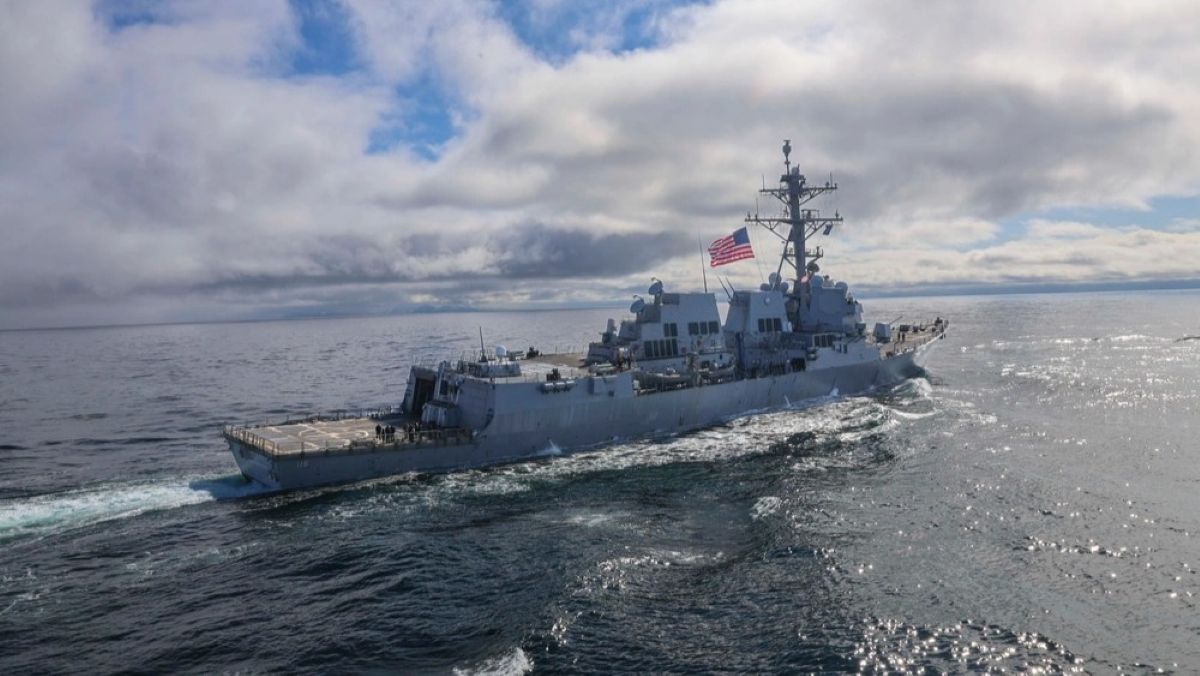
- Patrick Bury, a former NATO analyst, described enforcing a US naval blockade on Iran as "a massive force problem," questioning the feasibility of Trump's proposed operation
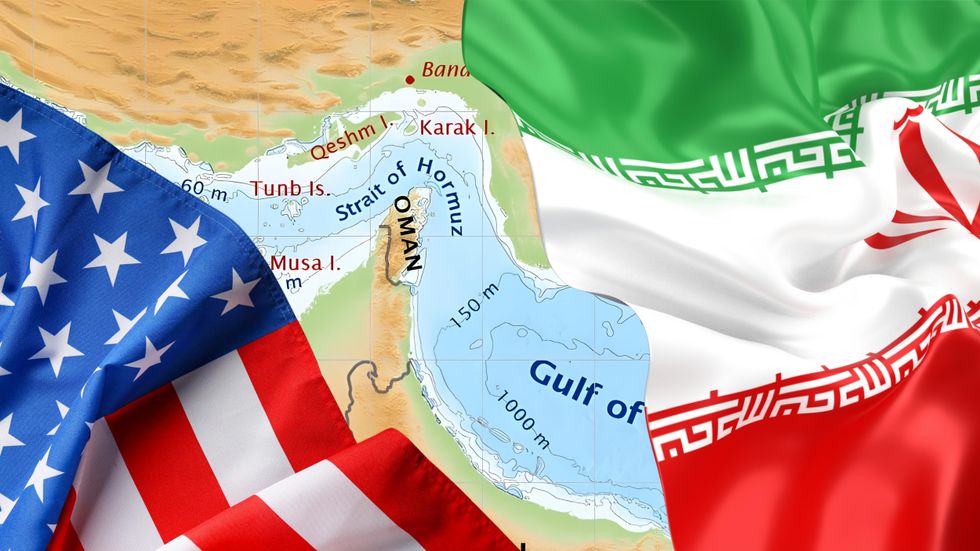
- President Trump is pushing for a naval blockade on Iran and a 20% tariff on cargo transiting the Strait of Hormuz, measures Bury says would demand a "huge military operation"
- Bury argues Iran retains an "asymmetric advantage" in the strait, complicating any sustained US effort to keep the waterway open to commercial traffic
- The tariff plan would layer a new economic cost onto shippers moving cargo through a chokepoint where Iran can project force with shore-based and naval assets
- Al Jazeera published Bury's analysis on 13 Jul 2026 as part of its coverage of Trump's escalating confrontation with Tehran
Why it matters: A 20% tariff layered on cargo through the Strait of Hormuz — a chokepoint for a large share of seaborne oil — only works if the US Navy can guarantee safe passage, and Bury's assessment is that Iran's asymmetric position makes that guarantee enormously costly, meaning the tariff's revenue must be weighed against the military bill to enforce it.