Analysts Warn Hormuz Reopening Far Riskier Than Trump Claims — SkimNews
Get the Geopolitics newsletter
Daily geopolitics — wars, elections, sanctions, the diplomatic moves that move markets. Free.
- Trump labeled NATO allies "cowards" for not joining the effort to secure the Strait of Hormuz, claiming in a March 20 Truth Social post and Friday remarks to reporters that reopening it would be a "simple military maneuver" and "an easy military operation" with "very little danger."
- Defense analysts at IISS, FPRI, and the Foundation for Strategic Research pushed back, noting Western warships would operate within range of Iran's 1,000+ fast attack craft, 2,000+ naval mines, shore-based anti-ship ballistic missiles with 700+ km range, and saturating drone swarms.
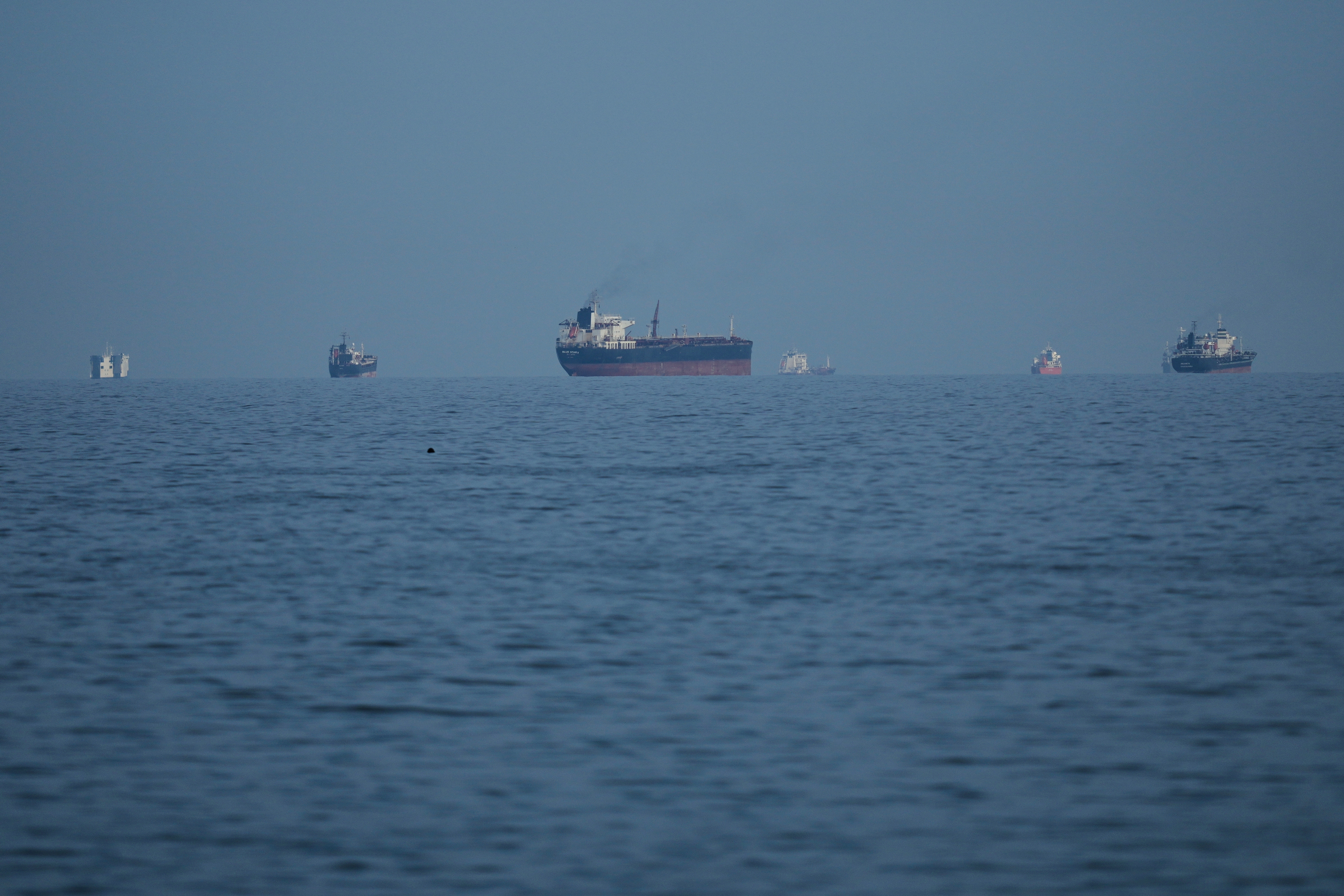
- The Strait of Hormuz is roughly 50 km wide at its narrowest and carried 38% of globally traded crude oil, 29% of liquefied petroleum gas, and 13% of traded chemicals in the week before U.S. and Israeli strikes began on Feb. 28, per UN Trade and Development data, with India, Taiwan, and South Korea heavily dependent on the passage.
- Iran has struck commercial vessels in the Strait and Persian Gulf with missiles and drones, producing 17 confirmed incidents between March 1 and March 16 and at least 11 seafarers dead or unaccounted for, according to the International Maritime Organization.
- The U.S. Navy has shrunk from nearly 600 ships during Operation Earnest Will in 1987-88 to fewer than 300 today, and lacks the assets to conduct strike, escort, and mine-sweeping simultaneously without allied support, IISS senior fellow Nick Childs told a webinar audience.
- Iran's mine arsenal of 5,000 to 6,000 mines of various types could be laid even from dhows if dedicated mine-laying assets are destroyed, and Childs warned that the mere threat of mining may deter commercial traffic regardless of escort operations.
- China is studying U.S. operations in the Strait, meaning any capabilities Washington commits there will likely "compromise some of its advantage" it has been building for the Indo-Pacific, according to retired U.K. Air Marshal Martin Sampson, IISS executive director for the Middle East.
Why it matters: The Strait funnels 38% of globally traded crude oil, yet the U.S. fleet has contracted to under 300 ships from 600 during the 1988 Earnest Will escort mission, and allies remain in the "preparatory stage" rather than committing forces. Even residual Iranian mining capability could keep commercial insurers and shippers away, sustaining elevated oil prices that Trump has already criticized NATO over.
Ask SkimNews


