Trump asks for warships; none reply, China declines — SkimNews

Get the Geopolitics newsletter
Daily geopolitics — wars, elections, sanctions, the diplomatic moves that move markets. Free.
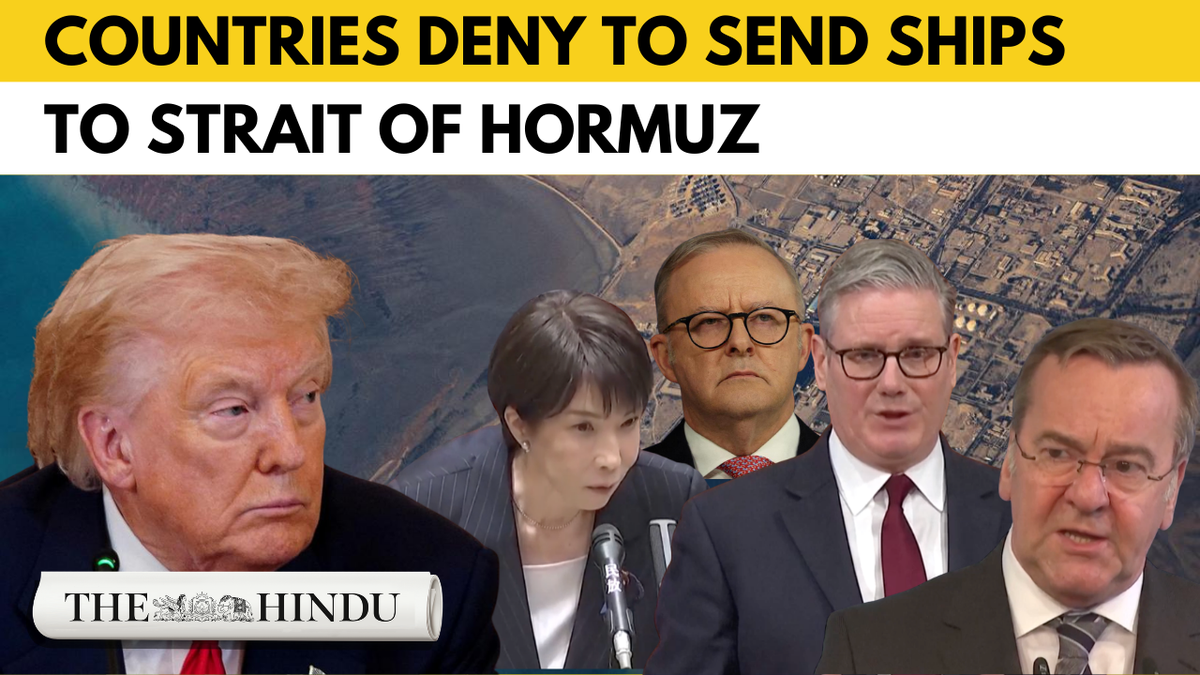
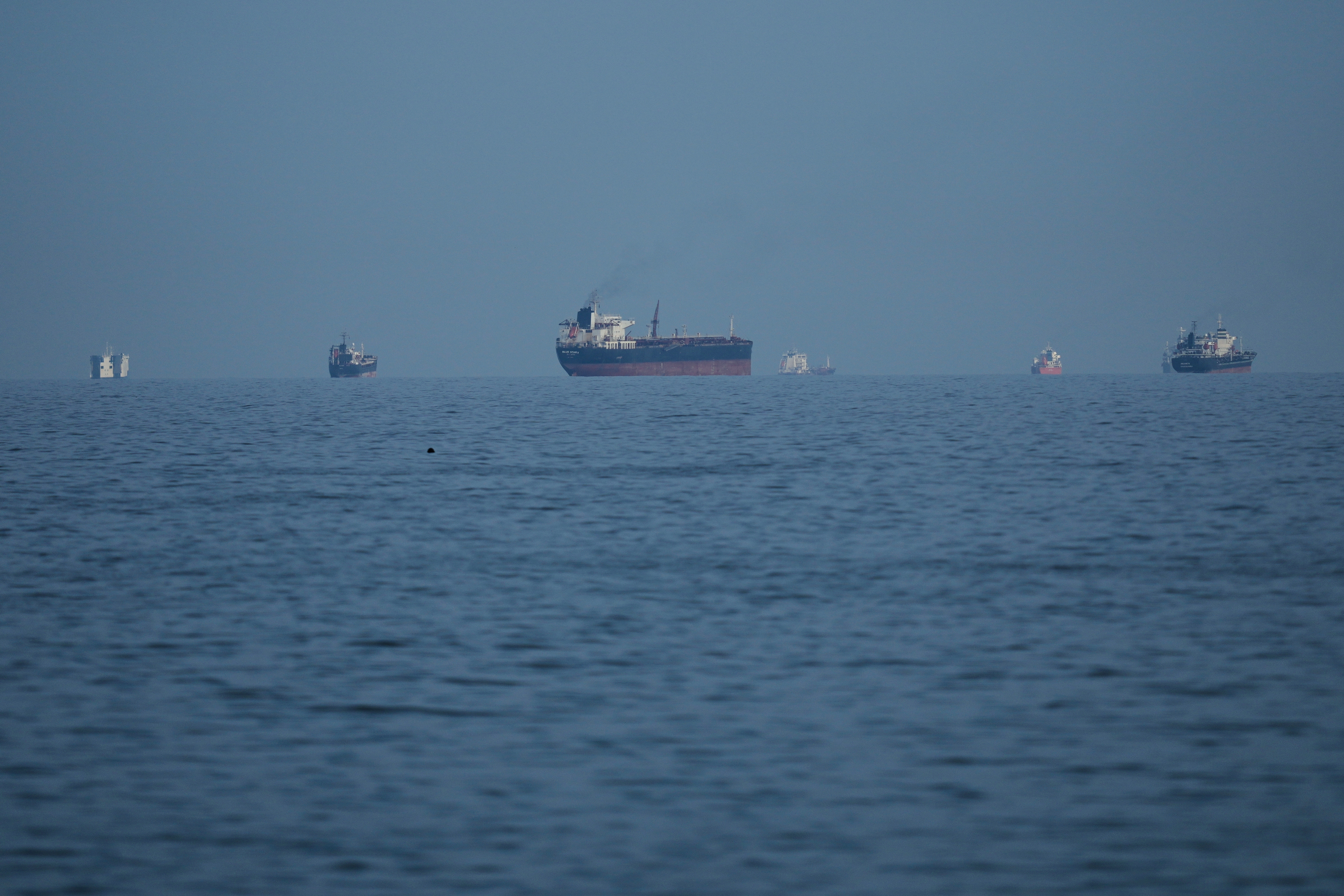
- Trump asked France, Japan, South Korea, Britain and NATO to send warships and mine‑countermeasure systems to help reopen the Strait of Hormuz; none of the named allies have responded positively.
- Britain (Prime Minister Keir Starmer) said it would allow U.S. forces access to bases for limited defensive action but would not be drawn into a wider war.
- France (along with Germany) has historically supported U.S. operations but now shows hesitancy to join the Hormuz effort, echoing past refusals to back the 2003 Gulf War.
- Japan has explicitly refused outright support for the U.S. request to send warships to the Strait of Hormuz.
- South Korea has delayed responding to the U.S. request and is reluctant to part with Patriot missiles needed for the operation.
- Australia's Transport Minister Catherine King said it would not send a ship to the Strait of Hormuz, noting no request had been made.
- China flatly rejected Trump's request for mine‑warfare assistance, despite the U.S. claim that China gets 90% of its oil through the strait.
Why it matters: The United States loses a critical naval partnership to secure a key oil chokepoint, while allies avoid entanglement and domestic backlash; the stalemate raises the risk of prolonged Hormuz disruptions, could threaten global oil supplies, and strains U.S.–allied security ties.
Ask SkimNews