Every Country Rejects Trump's Hormuz Coalition — SkimNews
Get the Geopolitics newsletter
Daily geopolitics — wars, elections, sanctions, the diplomatic moves that move markets. Free.
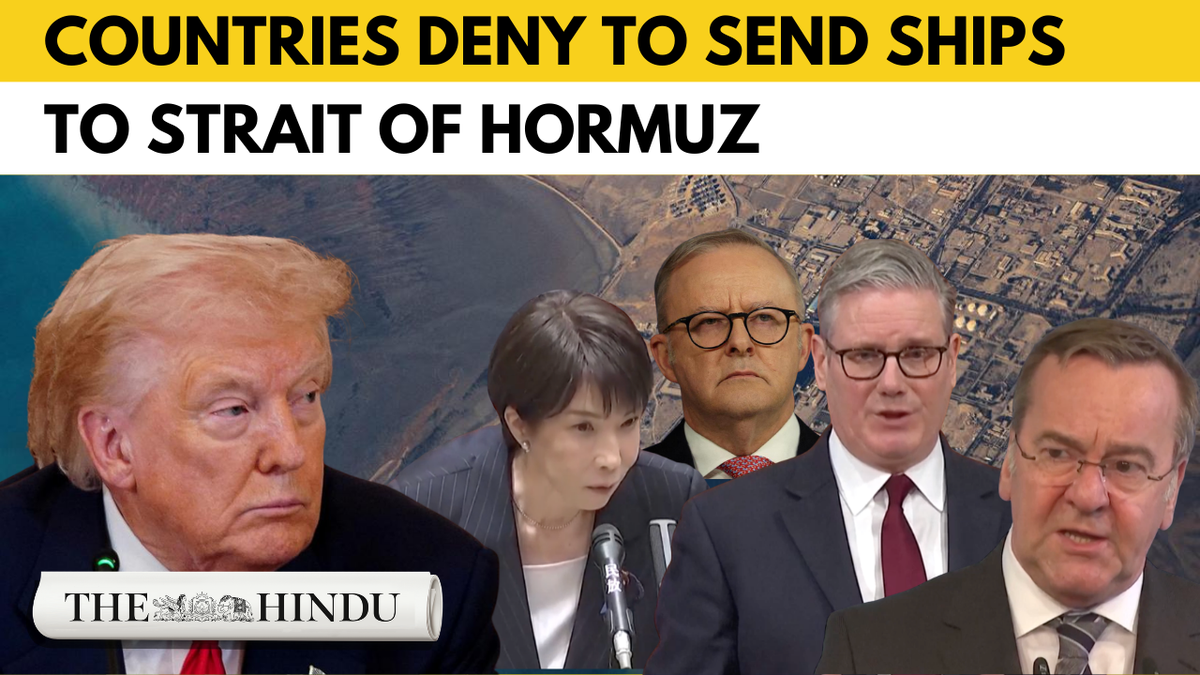
- Trump demanded warships from China, France, Japan, South Korea, the UK, and every other country receiving oil through Hormuz, but no nation agreed to join his naval coalition
- Britain offered mine-hunting drones instead of Royal Navy vessels, with PM Keir Starmer reportedly telling the White House that sending warships into an active war zone was "a step too far"
- Japan, which gets nearly 70% of its oil through Hormuz, cited "extremely high" legal hurdles, with Defence Minister Shinjiro Koizumi telling parliament deployment was not being considered
- Germany's foreign minister answered on national television whether Berlin would become "an active part of this conflict" with a single word: "No"
- Iran struck airports, ports, and hotels across Gulf states to raise the cost of siding with Washington, including a drone hit that temporarily shut Dubai international airport's fuel tank
- Gulf partners told US media they were not adequately warned about the scale of the initial 28 February strikes and felt exposed to Iranian retaliation without American protection guarantees
- Trump warned NATO members they faced a "very bad future" if they refused help and said he would remember which countries stood with America and which did not
Why it matters: Every US ally declined, leaving America to face an open-ended war over a strait Iran controls, with oil above $100 a barrel and one-fifth of global oil trade at risk. Gulf states that showed any sign of alignment faced Iranian strikes, making coalition membership genuinely dangerous. Years of "America First" alliance erosion left Washington with zero allied warships to show for its demands.
Ask SkimNews