South Korea Rules Out Hormuz Troops, Citing Trump Risk — SkimNews
Get the Geopolitics newsletter
Daily geopolitics — wars, elections, sanctions, the diplomatic moves that move markets. Free.
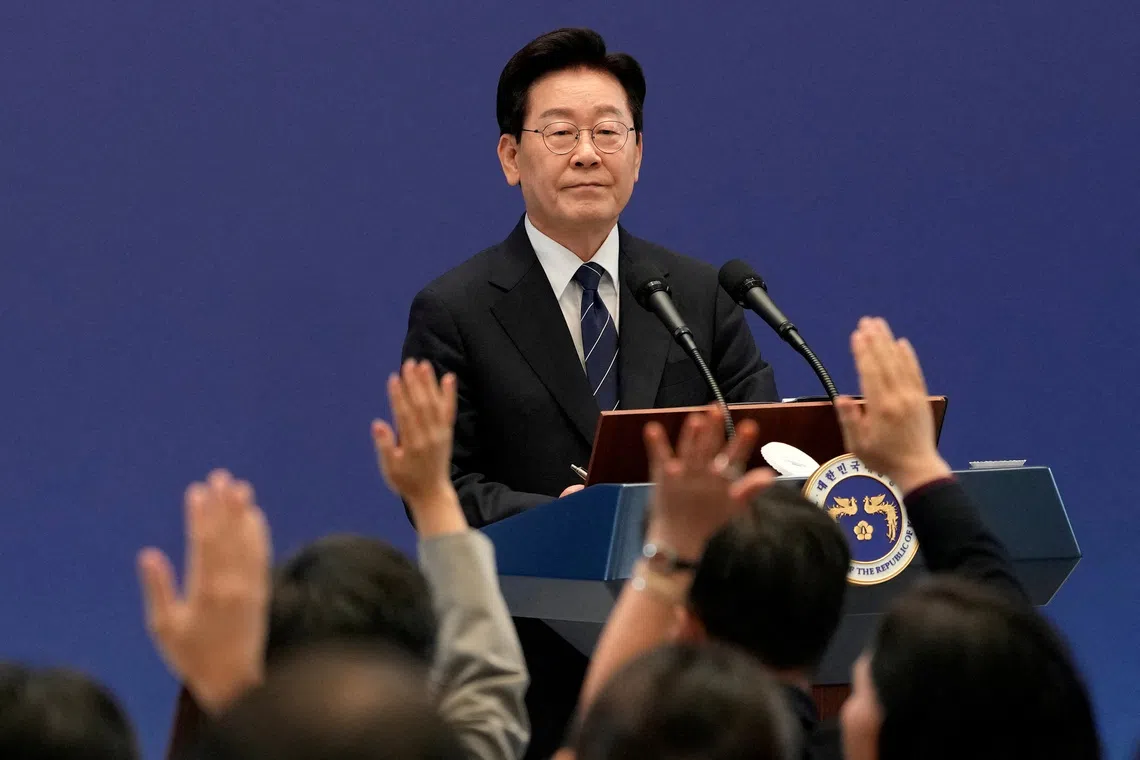
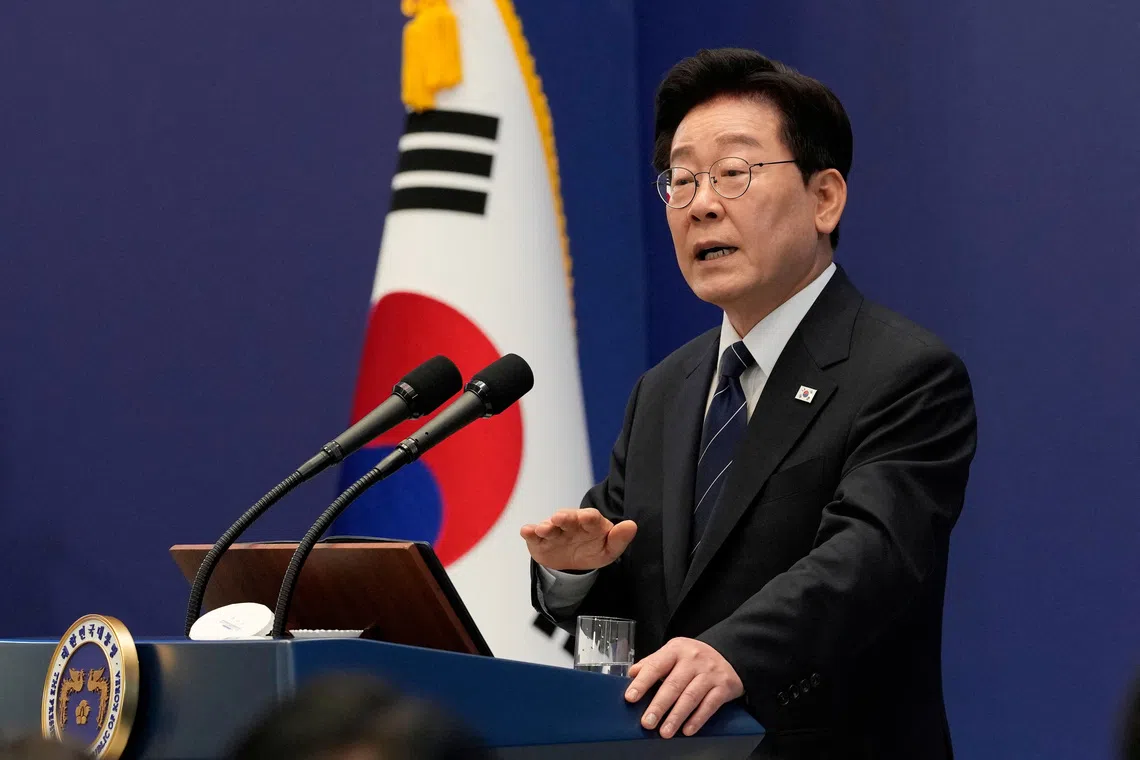
- President Lee Jae-myung ruled out at a September 18 press conference deploying South Korean troops or military assets to the Strait of Hormuz in any way that would involve Seoul in the U.S. war against Iran, while leaving open the possibility of expanding its existing Middle East anti-piracy unit.
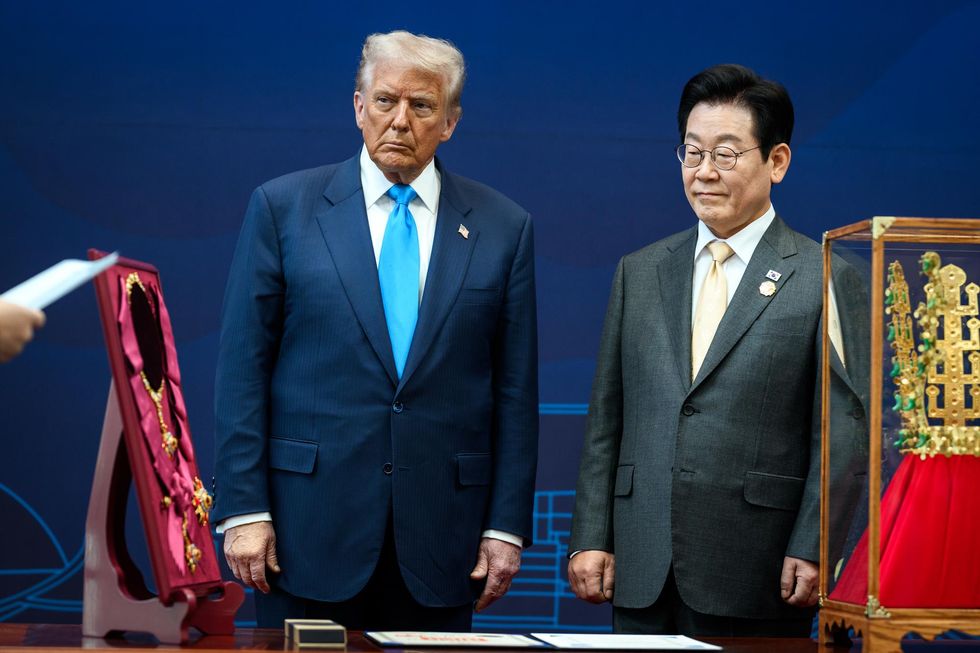
- President Donald Trump announced on social media in August that Washington will "substantially reduce" U.S.-South Korea joint military exercises, explicitly linking the decision to Seoul's refusal to support the Iran war — a move that alarmed Seoul and sparked an internal debate over Hormuz deployment.
- South Korean public opinion runs sharply against deployment: a recent survey showed 52% of South Koreans and 69% of the ruling Minjoo Party base oppose sending forces to the Strait of Hormuz, a constraint compounded by Lee's declining approval rating tied to economic problems and cabinet controversies.
- The 2004 precedent cuts the other way: the Roh Moo-hyun administration deployed medical and engineering troops to Iraq despite public opposition and a 25% approval rating, gambling on alliance leverage to push Washington toward Six-Party Talks diplomacy with North Korea.
- Today's strategic calculus differs sharply from 2004: Iran can impose real costs in the Strait of Hormuz in ways Iraq could not, and Seoul has long-term energy, economic, and diplomatic interests in avoiding an adversarial relationship with Tehran.
- Lee told the New York Times that Pyongyang will keep rejecting dialogue unless Washington makes concrete policy shifts — easing sanctions and prioritizing coexistence with a nuclear North Korea over denuclearization — but the article notes Trump views allies as "free riders" and routinely announces unilateral alliance changes on social media without consultation.
- Trump's alliance management is characterized in the analysis as fundamentally unpredictable: he has already met Kim Jong Un three times but lacks the seasoned policy professionals who ran the Bush-era alliance, making it harder for Seoul to risk a deployment-for-influence bet like Roh made in 2004.
Why it matters: South Korea's refusal narrows Trump's coalition for keeping the Strait of Hormuz open during a war that has expanded geographically over seven months, and it forecloses Seoul's main historical lever — costly military contributions — for pressuring Washington toward the North Korea policy reform Lee says he needs. The 2004 comparison shows Seoul has deployed under Democratic presidents before, so the breakdown here is specifically about Trump's unpredictability, not about Korean pacifism.
Ask SkimNews