South Korea Denies Hormuz Deployment Plans Amid US Pressure — SkimNews

Get the Geopolitics newsletter
Daily geopolitics — wars, elections, sanctions, the diplomatic moves that move markets. Free.
- South Korea's presidential office rejected Thursday and Friday domestic media reports that military assets were being prepared for Strait of Hormuz deployment, calling them "different from the facts" and stating "nothing related to the matter has been decided," though the review remains "continuing."
- Assets reportedly under consideration include a P-8 Poseidon maritime patrol aircraft — which would mark South Korea's first overseas deployment of such an aircraft — a naval logistics support ship for rear support, and an explosive ordnance disposal team from the navy's underwater demolition unit, per Seoul Broadcasting System.
- Any new deployment would require national security council review, a cabinet resolution, and national assembly approval — a higher bar than the 2020 Moon Jae-in government's workaround of expanding an existing anti-piracy unit's mandate without parliamentary sign-off.
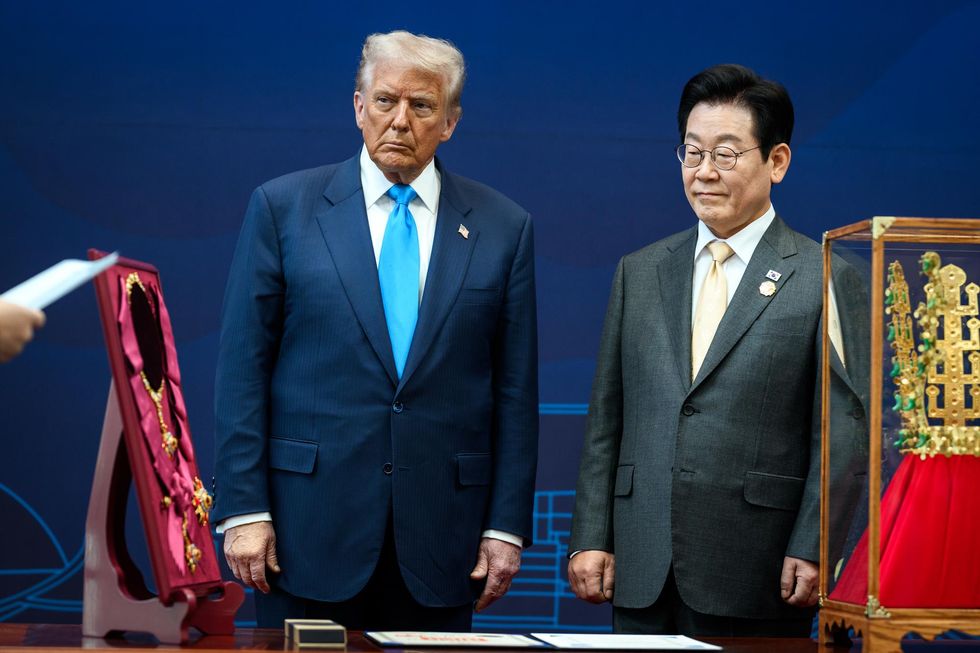
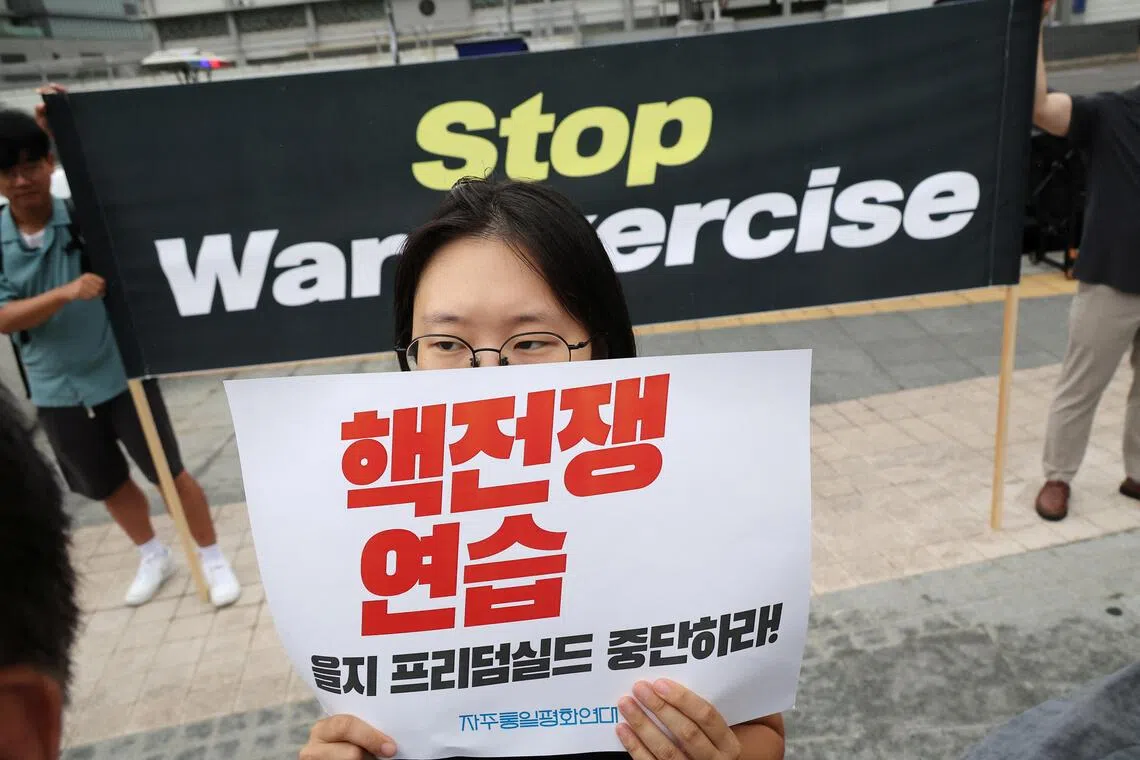
- Trump has publicly complained that Seoul turned down his request for help over Iran, claiming in August that President Lee Jae Myung told him "No, thanks," and days later ordered the Ulchi Freedom Shield joint military exercises scaled back by six days.
- South Korea imports more than 90% of its primary energy, including roughly 70% of crude oil, through the strait — the direct exposure that makes any deployment politically charged.
- Additional strains in the US-South Korea alliance include delays implementing a $350bn investment package Seoul agreed with Washington last year, reports the US had restricted intelligence sharing, and a dispute over a data breach at e-commerce firm Coupang.
Why it matters: South Korea's denial exposes a widening gap between Seoul's public reluctance and Trump's escalating pressure, which now includes shortening a major joint exercise by six days. With roughly 70% of South Korea's crude oil flowing through Hormuz and any deployment requiring full parliamentary approval, the political cost of joining may now exceed the cost of staying out.
Ask SkimNews