South Korea's Lee Rules Out Hormuz Troops Despite US Pressure — SkimNews
Get the Geopolitics newsletter
Daily geopolitics — wars, elections, sanctions, the diplomatic moves that move markets. Free.
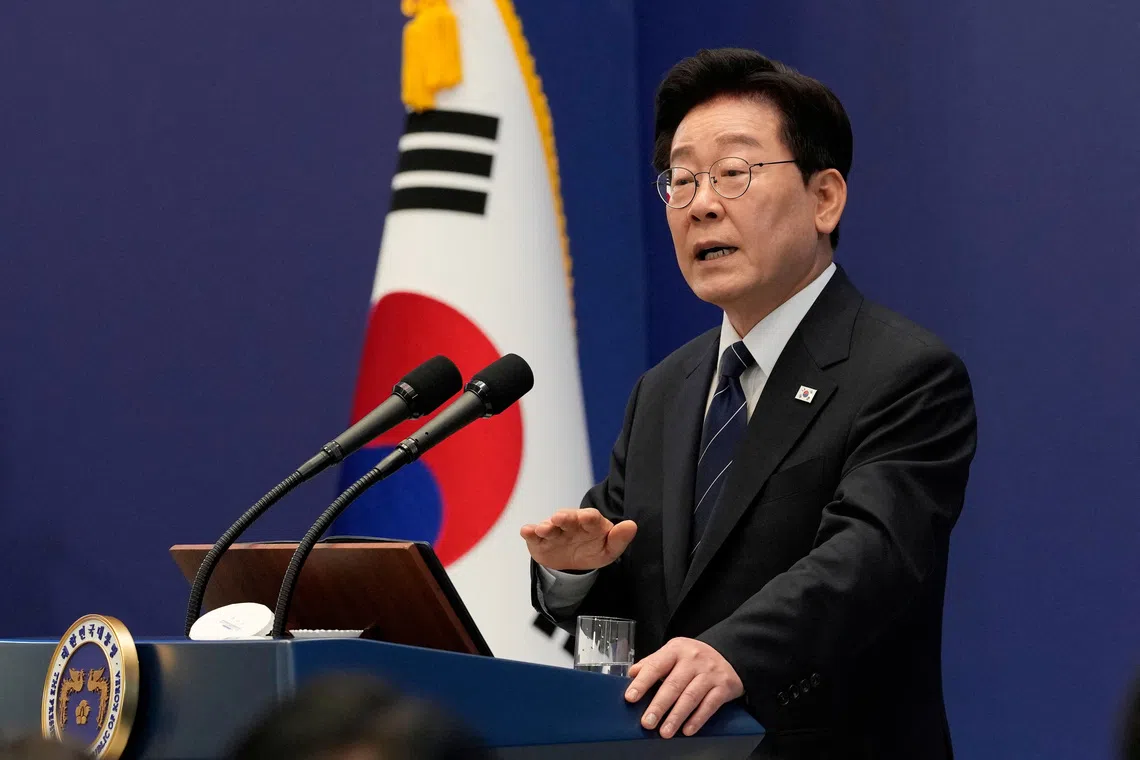
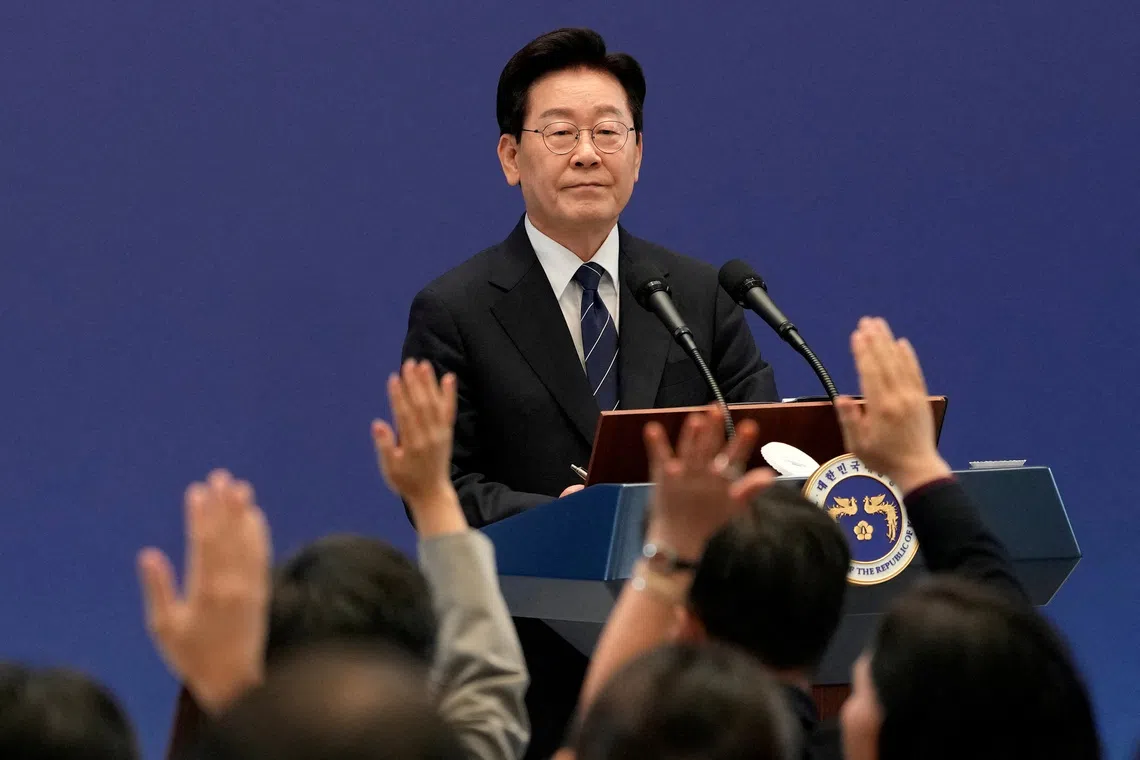
- Lee Jae Myung ruled out troop or military asset deployment to the Strait of Hormuz at a Sept 18 televised press conference, citing South Korea's longstanding principle of non-involvement in any war.
- Roughly 70% of South Korea's crude oil and over 50% of its naphtha imports transit through the Strait of Hormuz, which the source describes as effectively shut by Iranian and US blockades amid a stalemate.
- 55% of South Koreans oppose military deployment to the strait, and Lee's approval rating fell to a record-low 37% in a Gallup Korea poll of 1,002 respondents released Sept 18.
- Iran's foreign ministry spokesperson Esmaeil Baghaei posted on X in Korean on Sept 7 warning that any country joining military operations in the Persian Gulf or Hormuz would face "serious consequences."
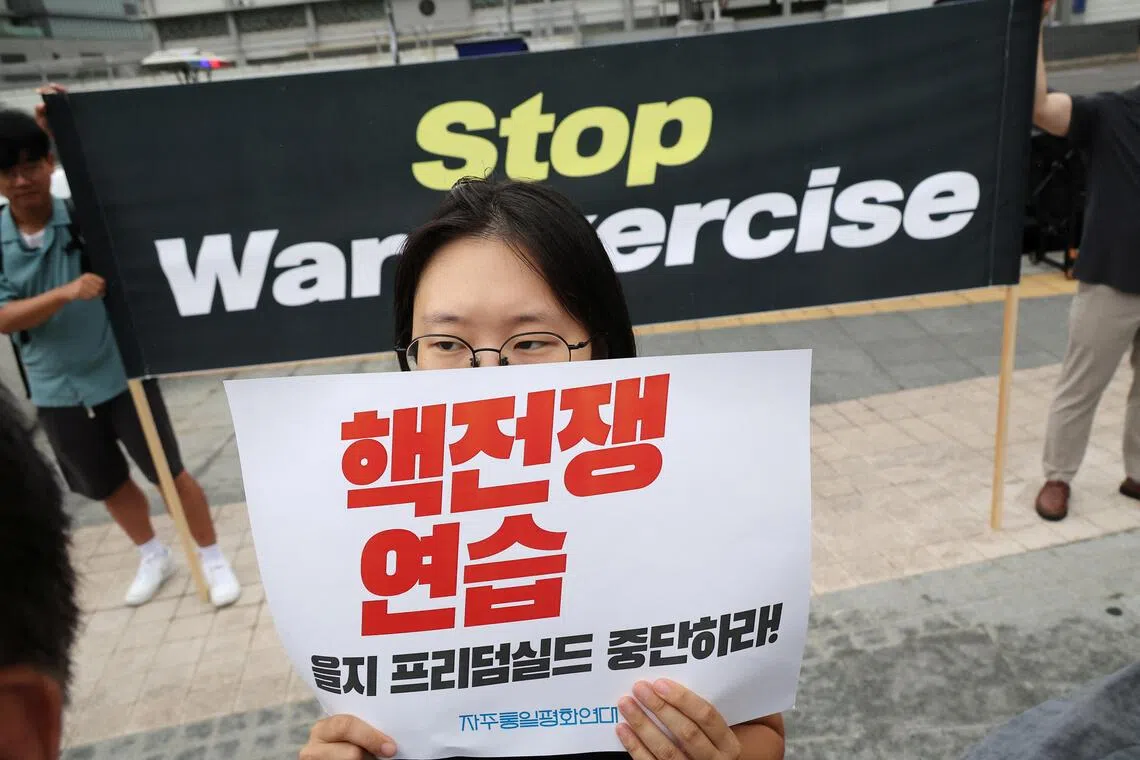
- Donald Trump singled out Lee in an Aug 16 Truth Social post asking whether South Korea wanted to join efforts to "denuclearise Iran" — Seoul reportedly replied "no thanks" — then ordered a substantial reduction in joint US-South Korea military exercises, citing cost and an "inappropriate and hostile" signal to North Korea.
- Foreign Minister Cho Hyun met Secretary of State Marco Rubio in Washington on Sept 18 to discuss Seoul's possible contribution, with multiple media outlets reporting Washington pressed Seoul to decide by November before US midterm elections — a deadline the South Korean Defence Ministry denies.
- Possible non-combat contributions under review include a logistics-support vessel, maritime patrol aircraft, or mine-detection unit, or alternatively joining the UK-France-led maritime defensive mission Lee pledged to support during his Sept 8 Paris summit with Emmanuel Macron.
Why it matters: With 70% of South Korea's crude oil transiting a strait locked in an Iranian-US stalemate, Lee faces a narrowing path: military involvement risks Iranian retaliation and 55% domestic opposition, while refusal could trigger further alliance punishment — Trump already slashed joint drills — and leave Seoul sidelined in Korean peninsula security architecture if Trump pursues a separate Kim Jong Un summit during his November APEC trip to Shenzhen.
Ask SkimNews