Europe stalls on US Hormuz naval coalition — SkimNews

Get the Geopolitics newsletter
Daily geopolitics — wars, elections, sanctions, the diplomatic moves that move markets. Free.
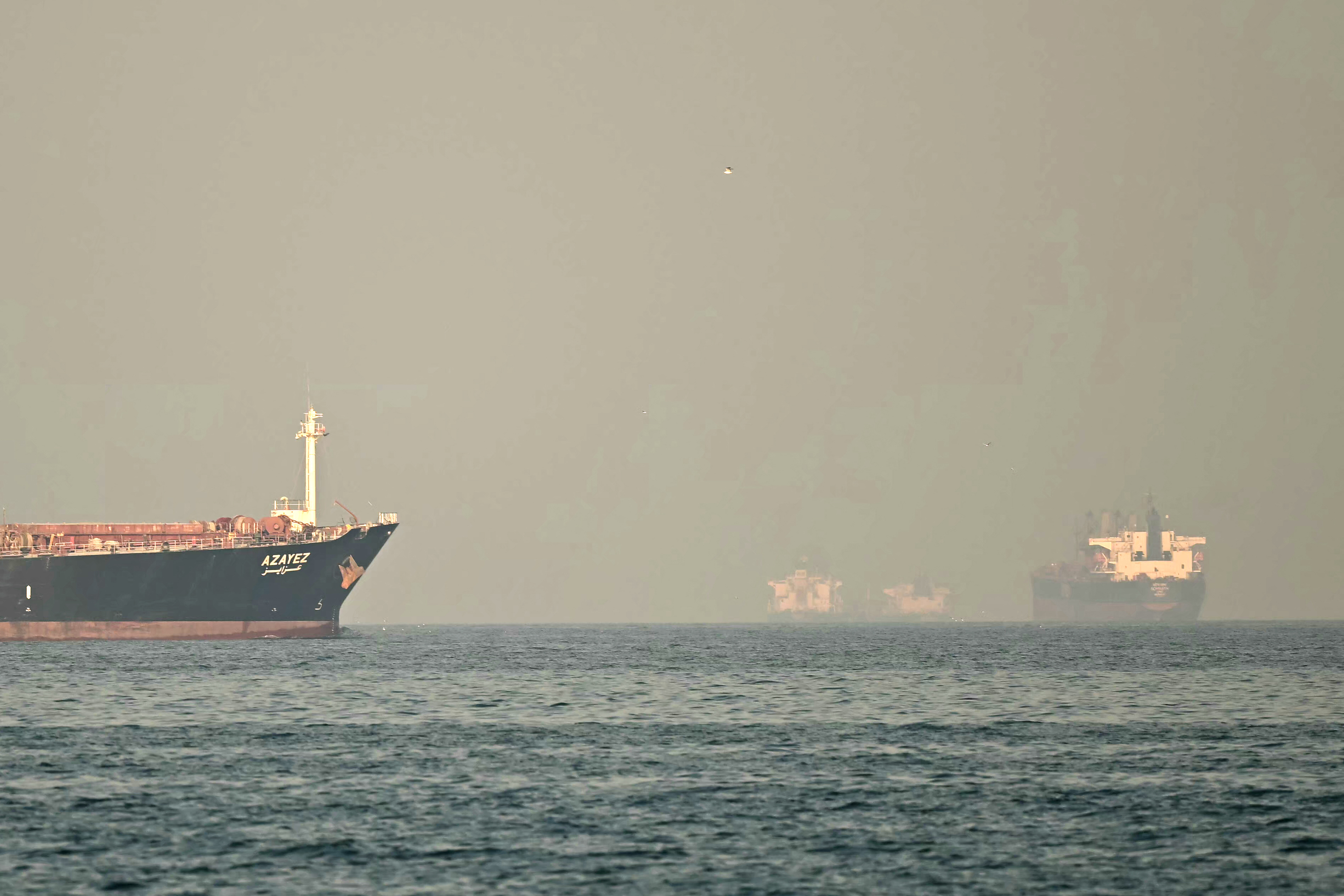
- United States has spent months trying to forge an international naval coalition to escort vessels through the Strait of Hormuz, where roughly one-fifth of global oil and LNG normally flows, but the effort has stalled.
- In mid-April, then-PM Keir Starmer announced the UK and France would lead a "strictly peaceful and defensive" mission; the UK MoD subsequently promised drones, fighter jets, and a warship, with Defence Secretary Wes Streeting saying the UK remains "absolutely aligned" with Washington.
- A European diplomatic source said more than 30 states gathered at a technical level on Thursday for further planning, though the UK insists activity remains "contingent on conditions on the ground and a durable political agreement."
- Analysts HA Hellyer (RUSI) and Amjed Rasheed (King's College London) say European powers fear being drawn into a war Washington and Tel Aviv launched without consulting them, and won't impose a security architecture Gulf partners see as "unnecessarily escalatory."
- Iran's Deputy Foreign Minister Kazem Gharibabadi said an understanding with Oman on a new Hormuz traffic protocol is "on the verge of being finalised" — a 2–4 month arrangement routing much shipping through Iran's territorial waters while closing current temporary routes.
- Sina Azodi (GWU) said Iran has learned that pressuring Hormuz can "make the global economy scream" and now treats the strait as a "strategic asset" it will not relinquish.
Why it matters: The UK and France hold the only realistic European naval capacity for the mission, and London's own condition — that operations wait on "a durable political agreement" — ties European participation directly to the Iran-Oman protocol reportedly nearing finalisation. If that deal holds, hesitation may dissolve into a narrow reassurance operation; if it collapses, Washington confronts a solo mission.
Ask SkimNews