Europe Rebuffs Trump on Strait of Hormuz Warships — SkimNews
Get the Geopolitics newsletter
Daily geopolitics — wars, elections, sanctions, the diplomatic moves that move markets. Free.
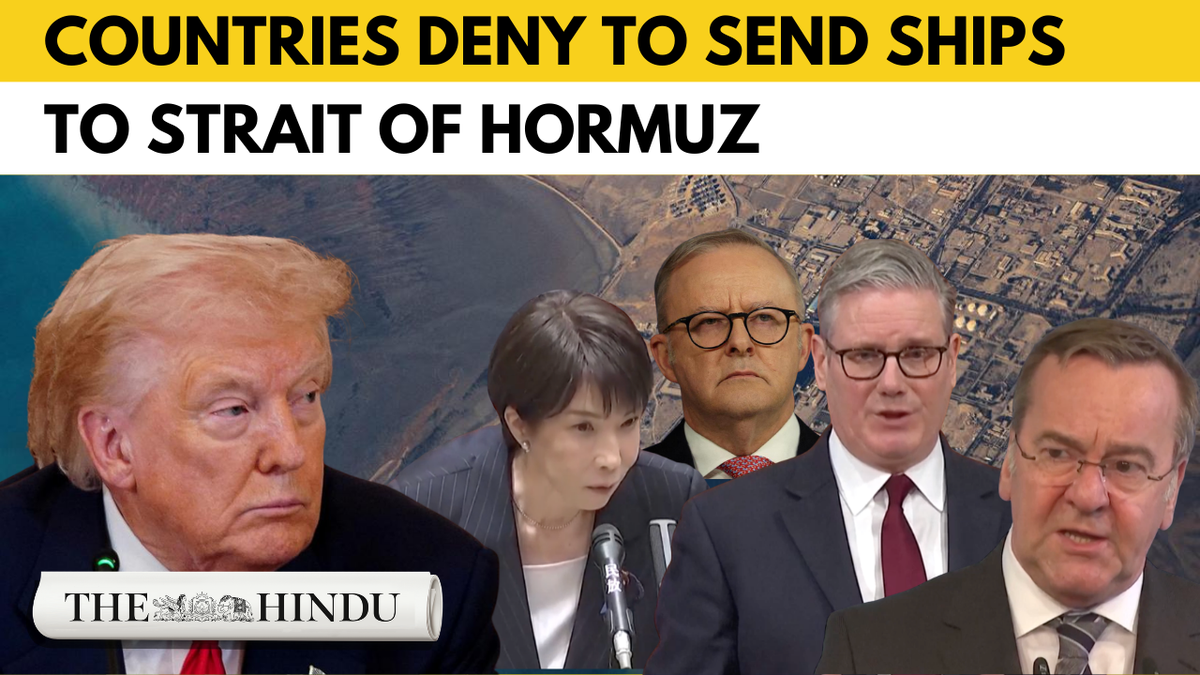
- Keir Starmer said the United Kingdom "will not be drawn into the wider war" on Monday, while keeping open talks with European partners and Gulf states on a collective plan to restore freedom of navigation.
- Boris Pistorius declared "this is not our war" and questioned what "a handful of European frigates" could accomplish where "the powerful U.S. Navy cannot," adding any German deployment outside NATO territory would require a Bundestag mandate.
- Kaja Kallas said EU member states have no appetite to expand the Aspides Red Sea naval mission to the Strait of Hormuz and that "nobody is ready to put their people in harm's way."
- Emmanuel Macron is developing a European escort mission for the strait but only "once the hottest phase of the conflict is over," with France having already deployed the aircraft carrier Charles de Gaulle to the region for defensive purposes.
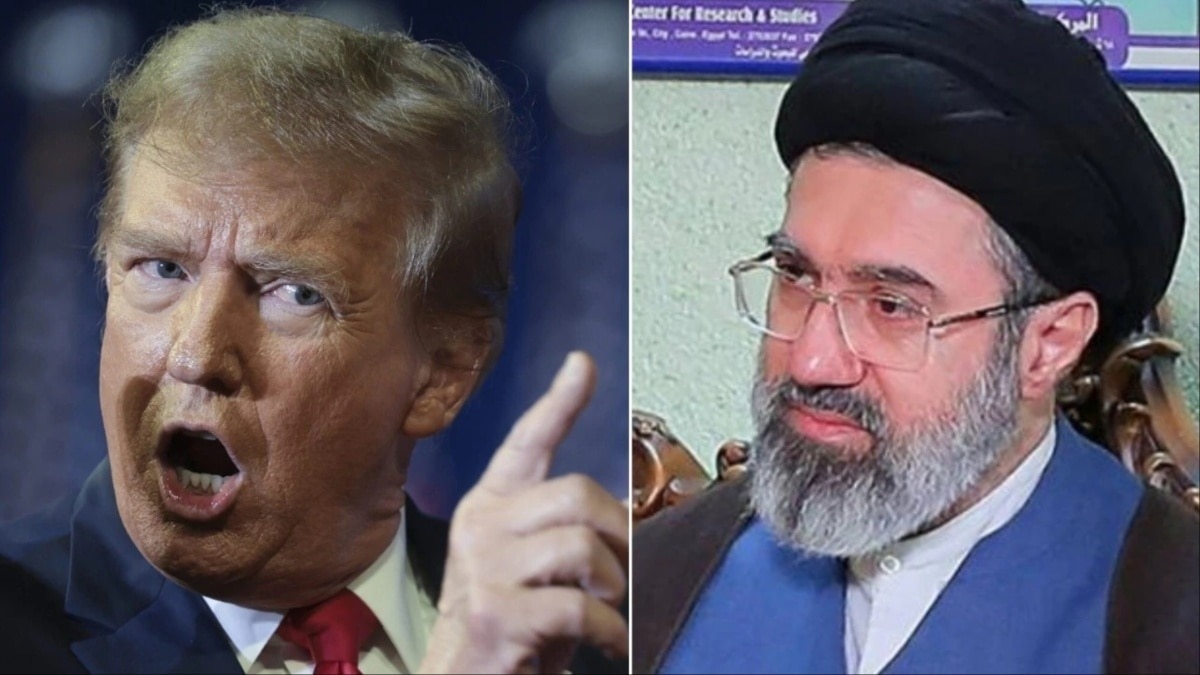
- Donald Trump explicitly linked U.S. NATO membership and continued support to Ukraine to allied help securing the strait, telling the Financial Times that a negative response would be "very bad for the future of NATO."
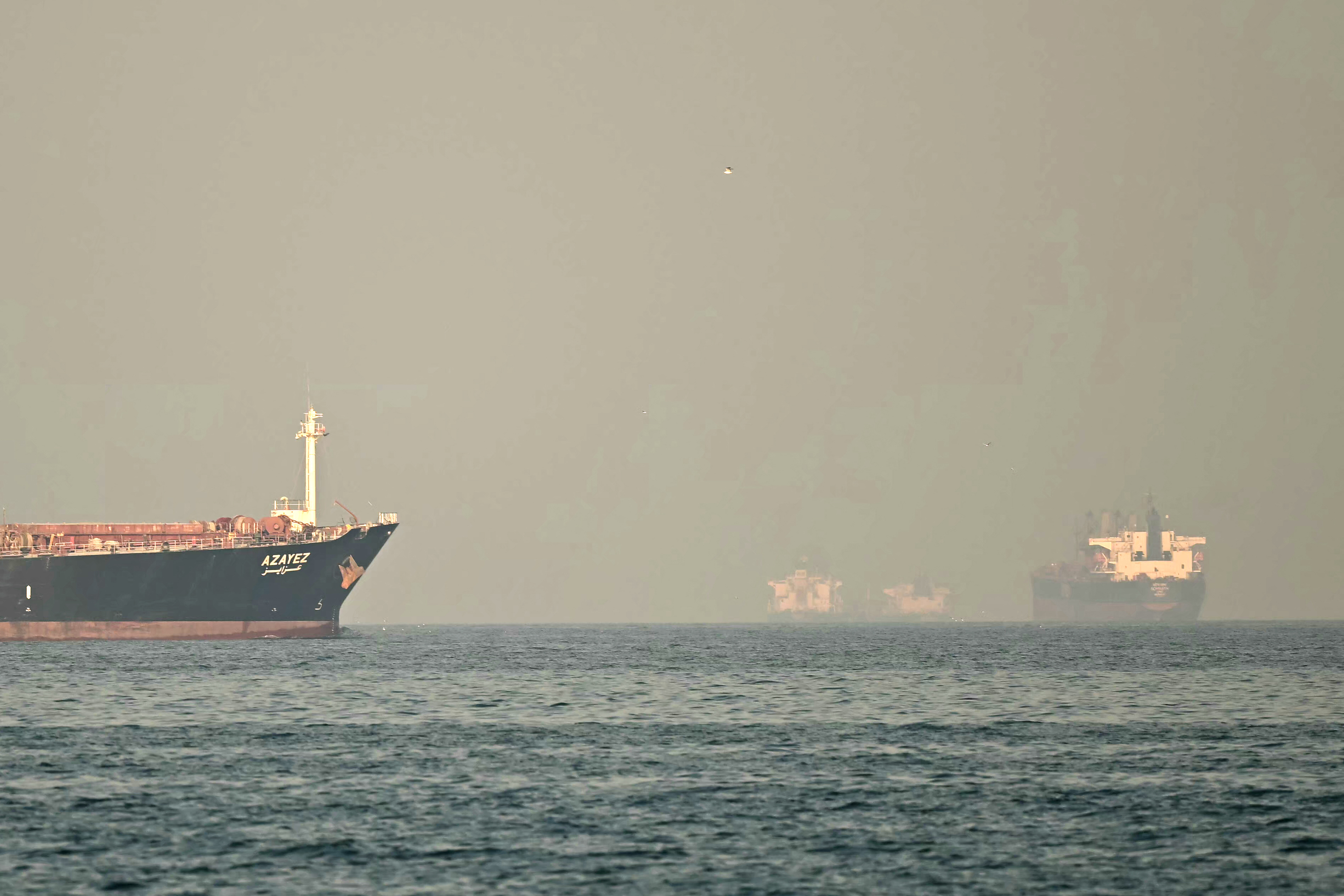
- Iran declared the strait closed on March 2, two days after U.S.-Israeli strikes began, and has since attacked more than a dozen commercial vessels with drones, missiles, and small boats; U.S. intelligence says it has also started laying sea mines.
- Alexander Stubb broke from the European chorus, calling it "a really good idea" to condition any Gulf assistance on European demands regarding Ukraine — a leverage play the other leaders conspicuously avoided.
Why it matters: Trump tried to convert a narrow shipping-security ask into a NATO loyalty test, and every major European capital refused — but with 20% of global oil transiting the strait and Brent crude above $100, the economic pressure that produced this standoff is only mounting. Finland's Stubb quietly opened a back-channel by suggesting Gulf help be linked to Ukraine leverage.
Ask SkimNews