Trump pledge broken as Israel‑US strike Qatar‑Iran oil — SkimNews
SkimNews Take
Strikes spanning oil infrastructure across multiple Gulf states create overlapping economic exposure that constrains de-escalation, since each party is now a stakeholder in the price spike any "exit" would partly determine.
Get the Geopolitics newsletter
Daily geopolitics — wars, elections, sanctions, the diplomatic moves that move markets. Free.
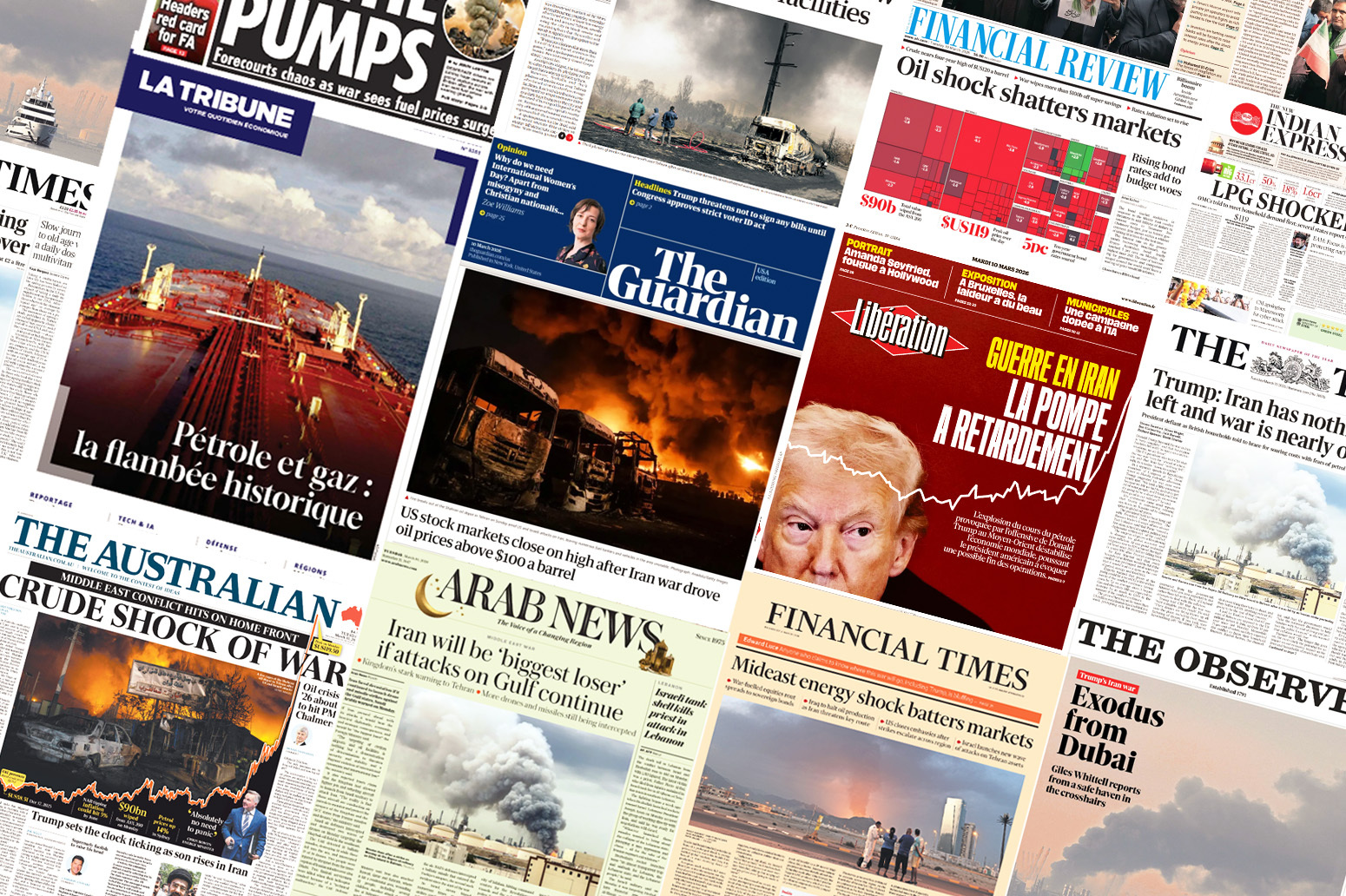
- Israel and the United States struck oil facilities at the Qatar‑Iran Pars field and in Asaluyeh, Iran, prompting a rise in oil prices.
- Iran retaliated by targeting oil and gas installations in Saudi Arabia, Qatar, and other locations, further pushing up oil prices.
- Iran's forces nearly downed an American F‑35 fighter.
- Secretary Bessent disclosed that the United States may un‑sanction Iranian oil stored in tankers at sea to lower oil prices.
- Israel coordinated the Pars field strike with the United States, violating a September 2025 pledge by Trump to Qatar that Israel would not strike Qatar.
- Trump publicly blamed Israel for the Pars field attack and ordered a halt to further Israeli strikes on energy fields.
- Iran demanded the closure of U.S. bases, reparations, and sanctions relief as conditions to cease attacks on Israel and reopen the Straits.
Why it matters: The coordinated strike pushed oil prices higher and forced the United States to contemplate un‑sanctioning Iranian oil, a move that could lower prices but also grant Iran leverage in negotiations, while Trump faces pressure from his base to declare victory and exit the conflict.
Ask SkimNews